UNESCO unanimously approves Uzbekistan’s initiative to preserve documentary heritage
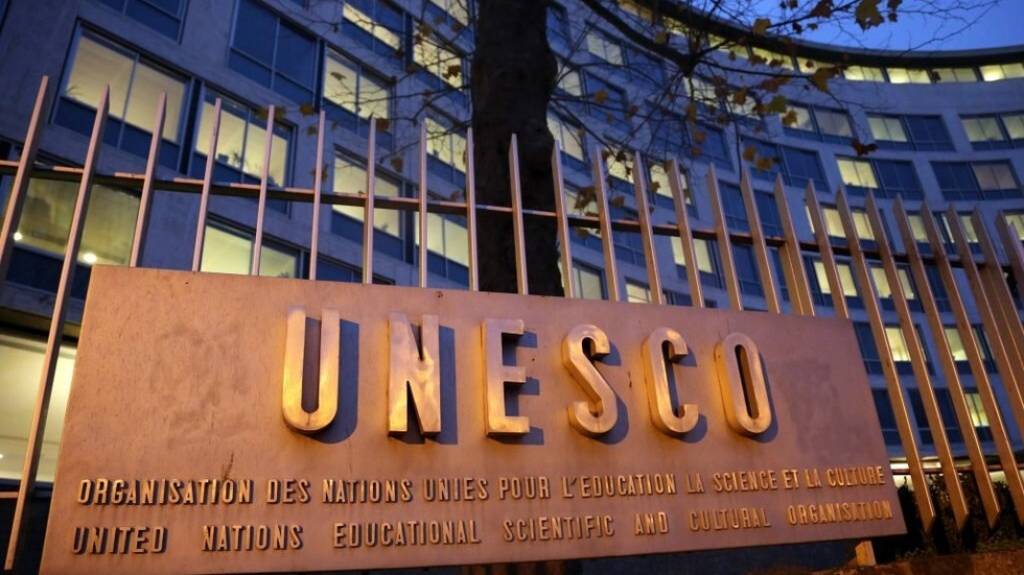
Permanent Delegate of Uzbekistan to UNESCO Kamol Mukhtorov expressed his opinion on the unanimous approval of the draft resolution proposed by Uzbekistan to proclaim November 19 as the International Day of Documentary Heritage during the 224th session of the Executive Board, held on April 23 this year at UNESCO Headquarters in Paris:
– In fact, the initiative to declare this International Day of Documentary Heritage was proposed by the President of Uzbekistan during the opening ceremony of the 43rd session of the UNESCO General Conference in Samarkand.
Documentary heritage – manuscripts, archives, library collections, audiovisual materials, and digital records – is an important part of humanity’s collective memory. However, it remains vulnerable due to a lack of resources, limited digitization capacity, technological obsolescence, climate change, and other threats. In this context, this initiative aims to raise awareness among the global community of the importance of documentary heritage, intensify the efforts of Member States and partners to preserve it, expand access to it, including in digital form, strengthen international cooperation, and increase the visibility of UNESCO’s Memory of the World Programme. This initiative aligns with UNESCO’s current priorities in areas such as the preservation of documentary heritage, access to information, digital transformation, and sustainable development. Today, the international community faces unprecedented threats and challenges to the preservation of documentary heritage.
Rapid technological obsolescence, resource constraints, climate change, and natural disasters put many documentary collections at risk of disappearing. Low levels of digitization, limited financial resources, and the consequences of natural disasters further complicate this process. The President of Uzbekistan proposed the initiative to establish International Documentary Heritage Day at the 43rd session of the UNESCO General Conference, held in Samarkand. The main goal of this initiative is to draw the international community’s attention to existing problems, expand international cooperation, and strengthen states’ capacity in the preservation and digital transformation of archives, libraries, and audiovisual collections.
On November 19, 1992, UNESCO established the Memory of the World Programme, one of the organization’s most important mechanisms for preserving humanity’s documentary heritage. Uzbekistan’s initiative fully aligns with UNESCO’s strategic priorities to build a sustainable and inclusive knowledge society. It also supports the implementation of UNESCO’s 2015 Recommendation concerning the preservation of and access to documentary heritage and enhances the prestige and effectiveness of the Memory of the World Programme. Establishing a new international day will strengthen cooperation between UNESCO and Member States and expand the involvement of young people, academia, and the general public in preserving and promoting documentary heritage.
Our country has a rich and diverse documentary heritage and actively participates in UNESCO’s Memory of the World Programme. The UNESCO Memory of the World Register includes unique collections that reflect our country’s thousand-year history and cultural diversity. Among them are the manuscript archive of the Institute of Oriental Studies, the Uthman Quran, the archives of the Khans of Khiva, documents from the Divankhana of the Bukhara Emirate, the collection of Rumi’s works, Khudoybergan Devonov’s photo collection, the “Turkestan Book”, Sogdian documents found on Mount Mugh, and the work “Jami al-Tawarikh”. These monuments of global significance demonstrate Uzbekistan’s deep historical roots and our country’s enormous contribution to the development of written culture, science, and art. It is especially important that the Executive Board’s resolution was unanimously supported and adopted by 66 states. Of these, 32 are among the 58 members of UNESCO’s Executive Board. Such broad geographical and political support clearly reflects awareness of the importance of preserving documentary heritage as humanity’s historical memory and the foundation of the cultural identity of peoples. In accordance with the organization’s established procedures, the official proclamation of International Documentary Heritage Day will take place at the 44th session of the General Conference, which will be held in November 2027.
The broad support for Uzbekistan’s initiative further underscores the rapid expansion of cooperation between our country and UNESCO in recent years. The historic 43rd session of the General Conference was successfully held in Samarkand in 2025. Regular visits by the organization’s leadership, including the Director-General, to our country have become an important factor in strengthening cooperation. A Category II Regional Center for Early Childhood Education has been established in Tashkent. The UNESCO – Uzbekistan Beruniy Prize for Scientific Research on the Ethics of Artificial Intelligence has also been established. The country has joined the Global Convention on the Recognition of Qualifications concerning Higher Education. In cooperation, a comprehensive study on the practical implementation of artificial intelligence has been conducted.
Today, we have 8 UNESCO Chairs and 24 UNESCO Associated Schools. In 2024, a Chair in Sustainable Heritage Tourism along the Silk Roads was established at the Silk Road International University of Tourism and Cultural Heritage in Samarkand. The cities of Tashkent, Fergana, Nukus, and Samarkand were added to the Global Network of Learning Cities. Cooperation in cultural heritage has also expanded significantly. The city of Bukhara joined the UNESCO Creative Cities Network. In addition, our country became a full member of the International Centre for the Study of the Preservation and Restoration of Cultural Property (ICCROM).
About 20 national nominations have been included in the Representative List of the Intangible Cultural Heritage of Humanity. Among them are “Traditional knowledge and skills related to the making of Karakalpak yurts”, “The art of making and performing on the kobyz”, “The art of pottery of Uzbekistan”, “Miniature art”, and others. In addition to the cities of Khiva, Bukhara, Shakhrisabz, and Samarkand, which are on the World Heritage List, the list also includes monuments along the Zarafshan – Karakum Corridor and the natural areas of the Western Tian Shan and the Turan Deserts. The Chatkal and Lower Amudarya state biosphere reserves have been added to the World Network of Biosphere Reserves. Work is underway to include new nominations in the lists, such as “Tashkent Modernist Architecture”, “Uzbek Kurash”, “Bukhara Dance”, “Alpomish”, “Silk Roads: Fergana – Syrdarya Corridor”, “The Art of Embroidery”, and “Felt-Making Traditions”. An International Advisory Committee for the Protection of Cultural Heritage Sites of Uzbekistan has been established. Under the auspices of the organization, the Sharq Taronalari, maqom and bakhshi art, folk crafts, and ethnosport festivals are held. These achievements clearly demonstrate that cooperation is developing consistently and systematically, covering all key areas of the organization’s mandate.
To expand and strengthen bilateral cooperation, an agreement was signed on April 8, 2026, and a special roadmap was adopted to implement the President of Uzbekistan’s initiatives. This document represents a new strategic program outlining long-term areas of cooperation for 2026-2027 and expressing the parties’ firm commitment to deepening cooperation across all areas within UNESCO’s mandate. The successful implementation of the presidential initiative, namely the recognition of November 19 as International Day of Documentary Heritage, is another important indication of Uzbekistan’s growing influence in the international arena in recent years.
Uzbekistan consistently plays an active role in shaping the global humanitarian agenda by promoting the preservation of cultural heritage, intercultural dialogue, and sustainable development. In recent years, our country has become a platform for major international forums, actively participates in projects, and makes a meaningful contribution to the development of cultural diplomacy. The establishment of International Documentary Heritage Day further confirms that Uzbekistan not only promotes important international initiatives but is also ready to implement them in practice.
Our country intends to continue contributing to the development of international cooperation to preserve documentary heritage. In cooperation with other countries, it is planned to hold annual exhibitions, educational programs, training sessions, and cultural events at the UNESCO Headquarters dedicated to the new international date. The establishment of the International Day of Documentary Heritage is not only an achievement of Uzbek diplomacy but also an important step toward strengthening global solidarity in preserving humanity’s memory. This is a major contribution to ensuring the accessibility, protection, and preservation of documentary heritage for future generations.
I. Abdukhalikov, UzA