National Bank’s plans to provide financial support to economic sectors and entrepreneurship reviewed
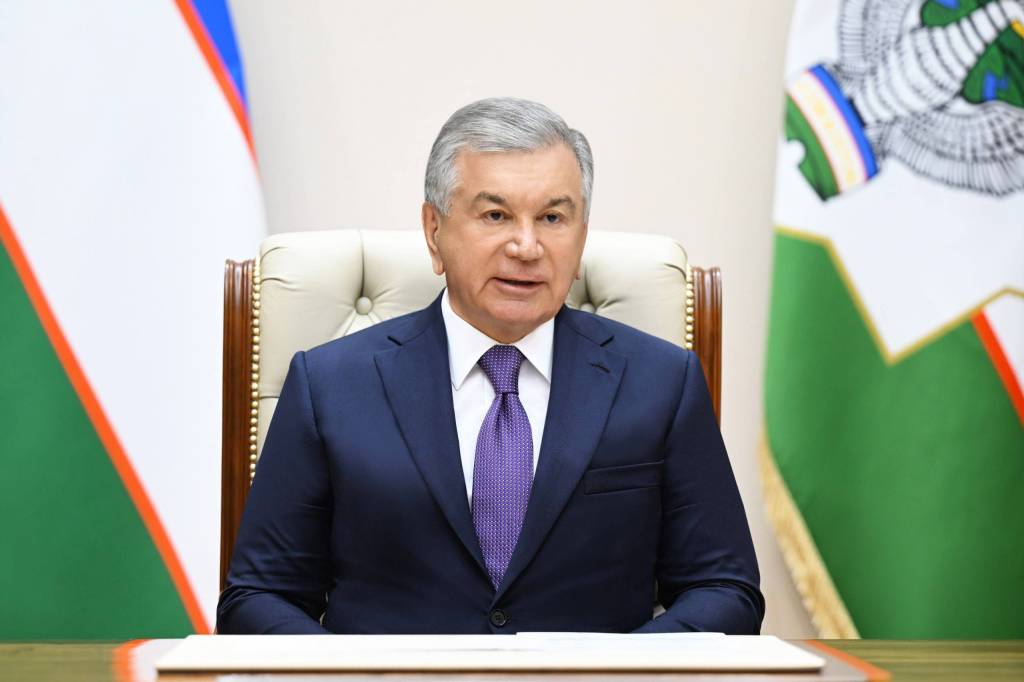
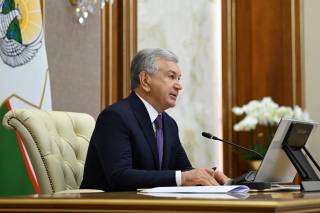
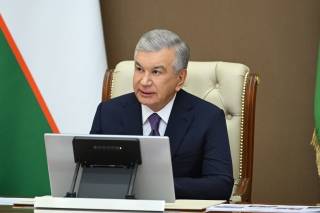
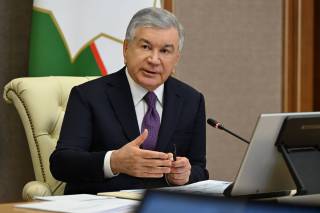
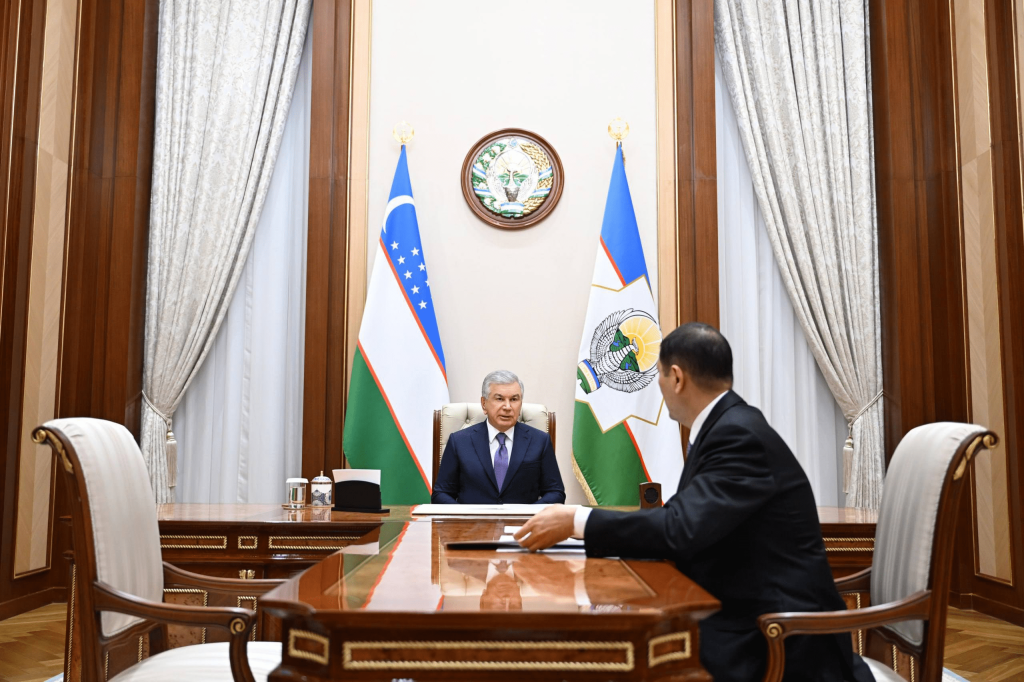
President Shavkat Mirziyoyev was briefed on the activities of the National Bank of Uzbekistan (NBU) and its future priorities.
The banking sector in Uzbekistan is playing an increasingly active role in accelerating the development of economic sectors, implementing investment projects and supporting the population’s entrepreneurial initiatives.
This year, the National Bank plans to provide loans to its clients totaling 38.5 trillion UZS, including 28.2 trillion UZS to corporate clients and 10.3 trillion UZS to individuals.
So far this year, 15 trillion UZS in loans have been allocated to implement 2,000 projects aimed at developing key sectors of the economy, particularly industry and infrastructure. A further 1.7 trillion UZS has been allocated to finance 235 projects in the construction sector.
Particular attention is being paid to encouraging young people, especially graduates of educational institutions, to engage in entrepreneurship and providing financial support for their business initiatives.
It was noted that projects financed by the bank this year had employed 306,000 graduates. Plans call for increasing lending to business projects undertaken by young people and graduates to 618 billion UZS, creating employment opportunities for approximately 10,000 more young people.
In the 1,188 mahallas assigned to the bank, 13,000 microprojects have been developed to encourage entrepreneurship among residents and create new jobs. The bank plans to allocate 2.8 trillion UZS in loans to implement these projects and provide employment for 178,000 people.
The bank’s key priorities for 2027 were also reviewed.
Next year, the bank plans to increase its total lending to 43 trillion UZS, including 18 trillion UZS for the real sector of the economy and 5 trillion UZS for infrastructure projects.
The President emphasized the importance of directing banking resources primarily toward financing projects that generate high added value, expanding the economy’s export potential, stimulating entrepreneurial activity among the population and creating stable jobs.
The bank’s management was instructed to improve the economic efficiency of lending, help entrepreneurs develop and implement promising projects, and step up financial support for initiatives aimed at increasing household incomes in mahallas.
UzA