Priority tasks identified for economic development and increasing household incomes in Fergana region
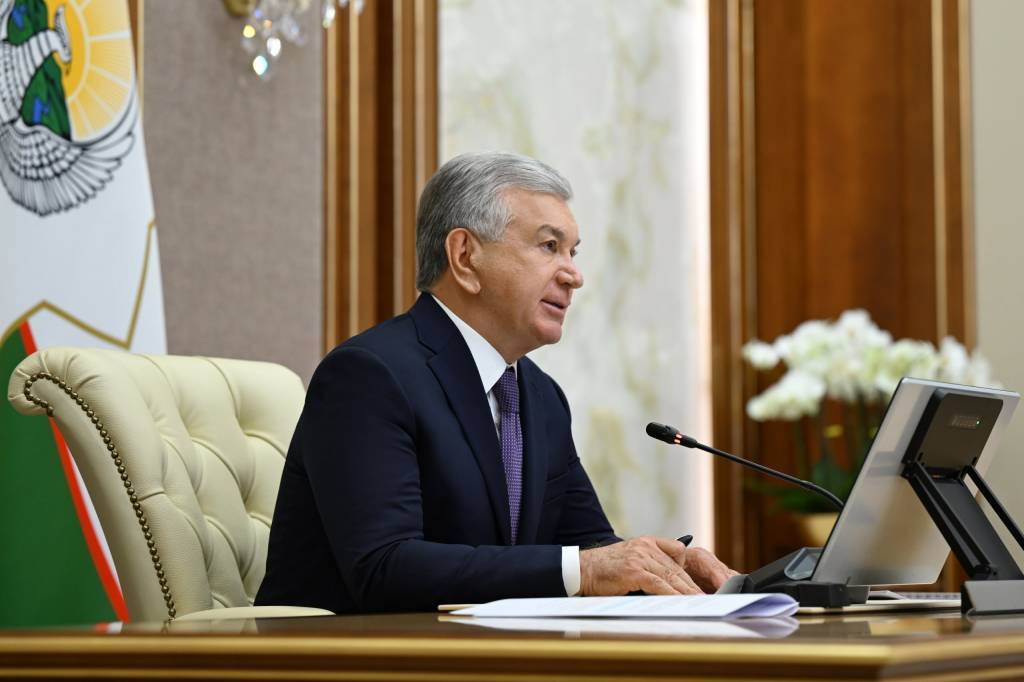
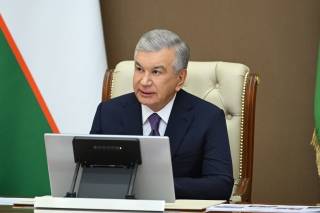
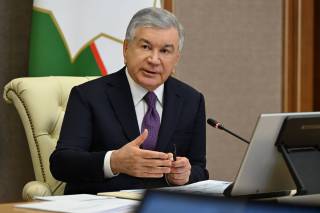
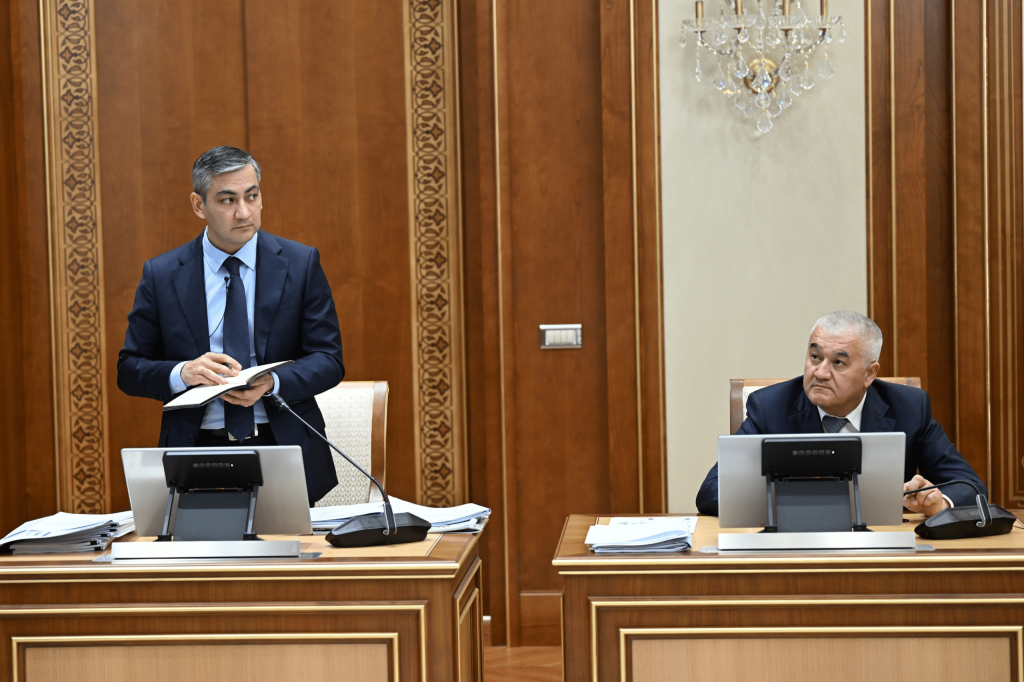
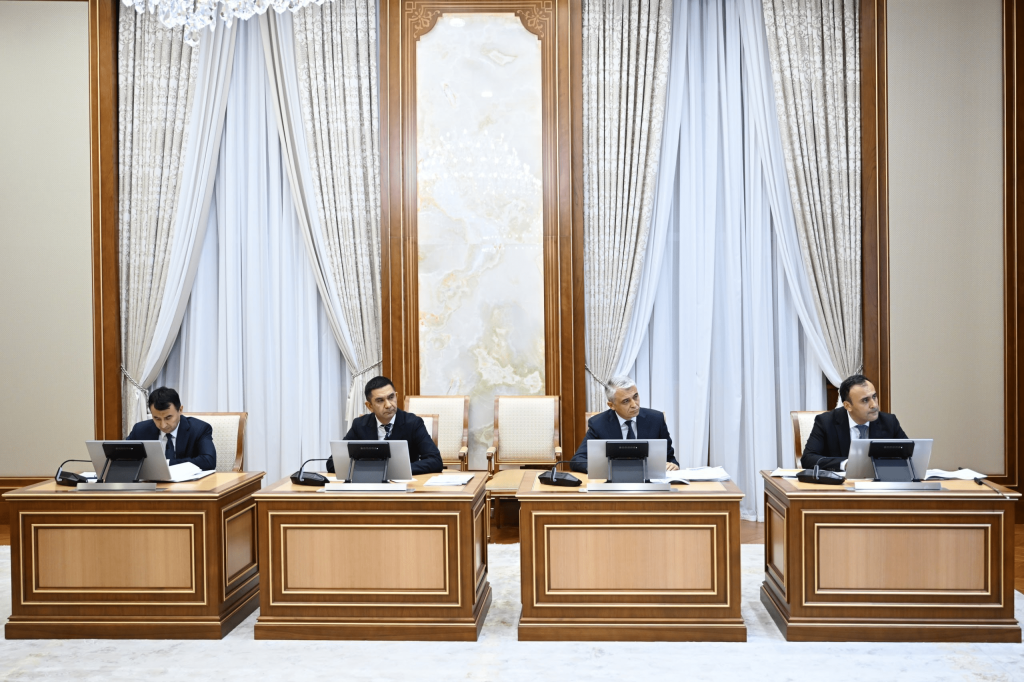
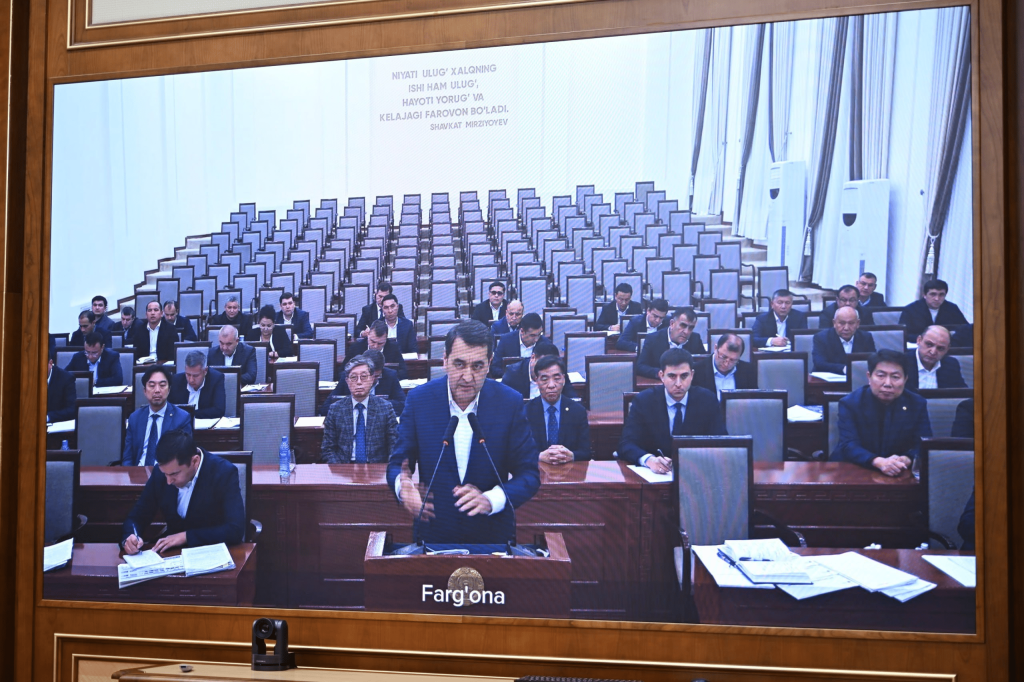
President Shavkat Mirziyoyev chaired a meeting on improving the effectiveness of reforms, accelerating industrial development and increasing household incomes in Fergana region.
Extensive efforts are underway across the country to ensure sustainable growth in economic sectors, boost investment activity and expand export potential. Particular attention is being paid to fully using each region’s economic potential, creating new jobs and ensuring stable sources of income for the population.
The progress made in these areas in Fergana region was reviewed at the meeting. By the end of this year, the region’s gross regional product is expected to grow by 9.6 percent, industrial output by 8.5 percent and the volume of services by 16.3 percent.
The President emphasized that various sectors of the region’s economy still have vast untapped potential, which, if used, could significantly increase household incomes and improve living standards.
It was noted that recent meetings with foreign investors resulted in several agreements on joint projects in the energy, construction materials, electrical engineering and pharmaceutical industries.
Fergana region also has significant potential for the accelerated development of these industries. In particular, a portfolio of investment projects worth at least $20 billion has been compiled.
Proposals were presented for transitioning to a new model of industrial development in the region. Plans include launching the production of goods in high demand, expanding cross-industry cooperation centered on major industrial enterprises, and improving operational efficiency through the introduction of advanced technologies and modern management practices.
A proposal to establish special industrial zones on approximately 1,500 hectares of underutilized land in Uchkuprik, Besharik and Fergana districts was approved.
Proposals were also considered to establish an innovation technology park in the city of Fergana using vacant industrial sites at chemical enterprises and implement projects worth a total of $300 million there, as well as to expand the Eltechsanoat Technology Park by an additional 70 hectares and open a branch in Dangara district.
Promising projects were presented to establish joint production with foreign partners of construction materials, cable products, wind turbines, electric buses, microchips for solar panels, batteries for electric scooters, automotive components and household appliances in the region’s districts and cities.
By harnessing the region’s existing potential, the aim is to achieve growth of at least 10 percent in gross regional product and 9 percent in industrial output in 2027, attract $6.1 billion in foreign investment and increase exports to $2 billion.
The plans to make effective use of the region’s tourism potential were also reviewed at the meeting.
Fergana’s unique natural landscapes, rich cultural heritage and traditional craftsmanship offer extensive opportunities for the development of ecotourism, pilgrimage tourism, gastronomic tourism and wellness tourism.
Plans were presented to establish large tourism complexes in the cities of Margilan, Kokand and Fergana, as well as to build modern tourist facilities and family recreation areas along the Chimyonsoy River and in Dangara, Yozyovon, Oltiariq and Sokh districts, drawing on the successful experience of Parkent district.
Particular attention was paid to generating higher added value in agriculture, especially through the industrialization of horticulture and the cultivation of export-oriented crops.
It was noted that although Fergana region is one of the country’s leading producers of fruit and vegetables, a significant proportion of its orchards are still cultivated using traditional methods. Low yields and high water consumption were highlighted. Moreover, the quality of the produce does not yet fully meet the requirements of major international retail chains.
In this regard, responsible officials were instructed to work with Agrostar companies in Fergana, Kuva and Oltiariq districts to establish intensive commercial orchards covering a total area of 37,000 hectares.
Proposals were also considered to implement large-scale projects in the region to raise and fatten 100,000 head of cattle, specialize Bagdad and Furkat districts in livestock farming, and develop poultry farming in household plots based on Türkiye’s experience.
The meeting also reviewed the results of efforts to promote employment and reduce poverty. By the end of this year, the region’s unemployment rate is expected to fall to 3 percent and its poverty rate to 2.7 percent.
The President emphasized that increasing household incomes would henceforth become one of the main criteria for assessing the performance of regional leaders.
The measures planned for 2027 are expected to double the incomes of 1.1 million residents of the region.
To this end, plans call for deepening the specialization of 10 mahallas in industry, trade and services in one district or city of the region each year.
Projects involving the cultivation, storage, processing and packaging of agricultural produce are planned for at least 10 mahallas in Yozyovon, Beshariq, Furqat and Rishtan districts. In addition, cooperatives specializing in apricot and grape cultivation are to be established in 41 mahallas in Oltiariq and Fergana districts, covering a total area of 8,500 hectares.
A proposal was put forward to establish a vocational training system based on German and South Korean standards at four technical colleges in Margilan, Fergana and Uchkuprik district for citizens seeking employment abroad. This would enable 6,000 people to be trained annually for employment overseas.
The population of Fergana region has now exceeded 4.2 million. Continued population growth necessitates a corresponding expansion of housing construction, engineering and utility infrastructure, and social infrastructure.
In this regard, plans were presented to implement large-scale urban development projects in Margilan and Fergana designed to accommodate a total of 600,000 residents, as well as to create favorable conditions for living and doing business in these areas.
Projects to build new educational and healthcare facilities, as well as modern sports complexes across the region, were also reviewed.
Following the meeting, the President instructed the regional administration and reform headquarters to fully use the region’s existing potential, ensure the timely implementation of planned projects, achieve tangible economic results and address the specific problems faced by residents.
UzA