Demographics as a strategic investment asset: Uzbekistan’s advantageous position
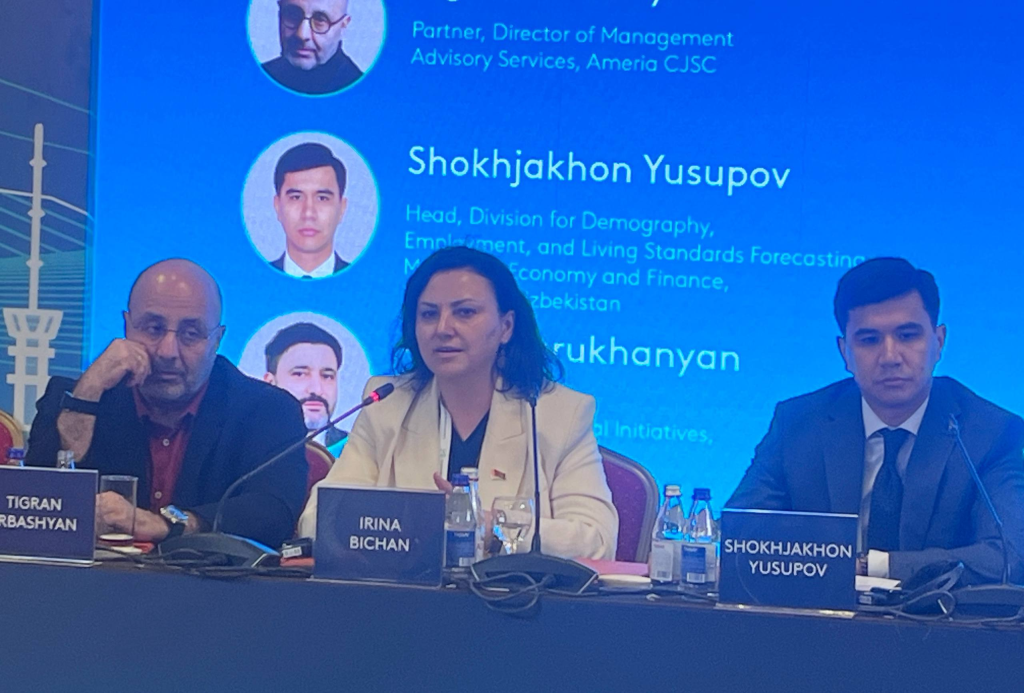
As part of the EDB Annual Meeting and Business Forum “Eurasia 2030+: Investments, Growth and New Opportunities” in Almaty, a session entitled “Using population foresight data and demographic shifts to unlock and guide investments in the EDB member states” was jointly organized with UNFPA.
Experts highlighted how shifts in the population’s size and age makeup influence infrastructure, the labor market, the social sector, and the economy. They emphasized that current investment projects should rely not only on macroeconomic data but also on thorough demographic analysis.
Irina Bichan, Head of the Demographic Statistics and Population Census Department at the National Statistical Committee of the Republic of Belarus, highlighted that ignoring demographic factors could lead to significant errors in the implementation of major projects.
The expert mentioned that Belarus is dealing with an aging population and falling birth rates. Consequently, the pressure on the working-age population is growing, as it must support both the younger generation and an increasing number of pensioners.
She believes Uzbekistan has a strategic advantage due to its demographic structure.
“Despite increasing life expectancy, Uzbekistan still has a large proportion of the population of working age. This is a key advantage, as these individuals will spur economic growth, help sustain the pension system, and underpin the country’s future development. Therefore, incorporating demographic forecasts into investment strategies is increasingly essential for sustainable growth and the effective distribution of both public and private investments”, the expert observed.
Participants in the session highlighted that incorporating demographic data into investment planning is increasingly essential for sustainable economic growth. In Uzbekistan, with its youthful and sizable working-age population, this approach offers extra opportunities to attract investments and craft a long-term growth plan.
Aziza Alimova, UzA
Almaty, Kazakhstan