Uzbekistan is Japan’s key partner in Central Asia

In recent years, relations between Uzbekistan and Japan have taken on a strategic character. Amid global economic trends driven by high technology, innovation, and human capital, Uzbekistan’s importance to Tokyo as a stable, open, and modernization-oriented partner in Central Asia has increased markedly.
Experts note that this partnership is significant not only from the perspective of economic interests, but also in terms of regional security, the reduction of energy risks, and the maintenance of strategic stability.
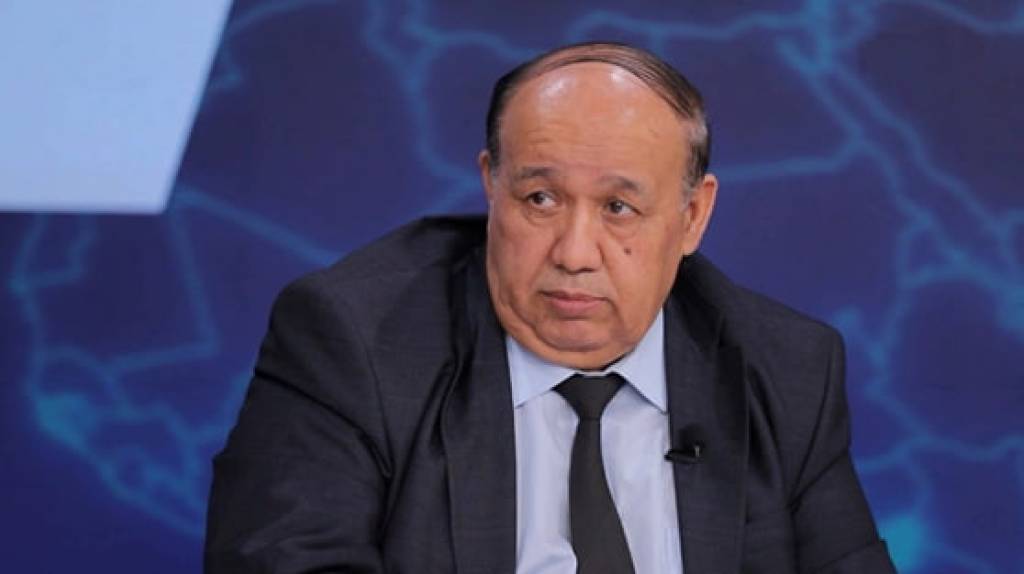
UzA correspondent spoke with Doctor of Political Science, Professor Sayfiddin Jurayev, about new priorities in investment and technology transfer, about why Japan views Uzbekistan as a key partner in Central Asia, and about the qualitative changes observed in bilateral relations.
– What have been the main qualitative changes in relations between Uzbekistan and Japan in recent years?
– In recent years, the most notable change has been the transition of cooperation from a “donor – recipient of aid” model to the level of strategic partnership. Whereas in the 1990s and 2000s Japan was involved primarily through Official Development Assistance (ODA), today it acts as an economic, technological, and institutional partner.
Within the ODA framework alone, Japan has directed more than $6 billion to Uzbekistan since 1993. However, over the past seven to eight years, the main emphasis has shifted toward private investment, joint projects, and technology transfer. More than 50 Japanese companies and joint ventures are currently operating in our country, the majority of which entered the market after 2017, reflecting a new trajectory in bilateral cooperation.
Today, Uzbekistan is Japan’s key partner in Central Asia. Tokyo clearly recognizes the significant role of official Tashkent in ensuring regional stability and economic development. This assessment is not accidental: population size, economic potential, geographic location, and an open foreign policy make Uzbekistan an important regional actor.
For Japan, Uzbekistan serves as a principal logistical and economic bridge to Central Asian markets. Through Uzbekistan, Tokyo strengthens its cultural and economic diplomacy, as well as technological cooperation.
– Which areas are prioritized in terms of investment and technology transfer?
– Japanese companies show strong interest in projects aimed at developing renewable energy sources, improving energy efficiency, and reducing carbon emissions in industry. These initiatives are being implemented in complete alignment with Uzbekistan’s Strategy for the Transition to a Green Economy through 2030.
It should be noted that Japanese technologies play an essential role in the modernization of Tashkent International Airport and in the development of urban transport and logistics systems. Investment volumes for some major infrastructure projects exceed $100-$200 million. In addition, particular attention is paid to the establishment of joint ventures, the localization of production, and workforce training in the automotive, chemical, and pharmaceutical sectors. Japanese companies are also showing interest in digitalization, electronic management systems, and the development of the startup ecosystem.
Interviewed by Musulmon Ziyo, UzA