Safety in Practice: How Labeling Improves Transparency in the Pharmaceutical Market
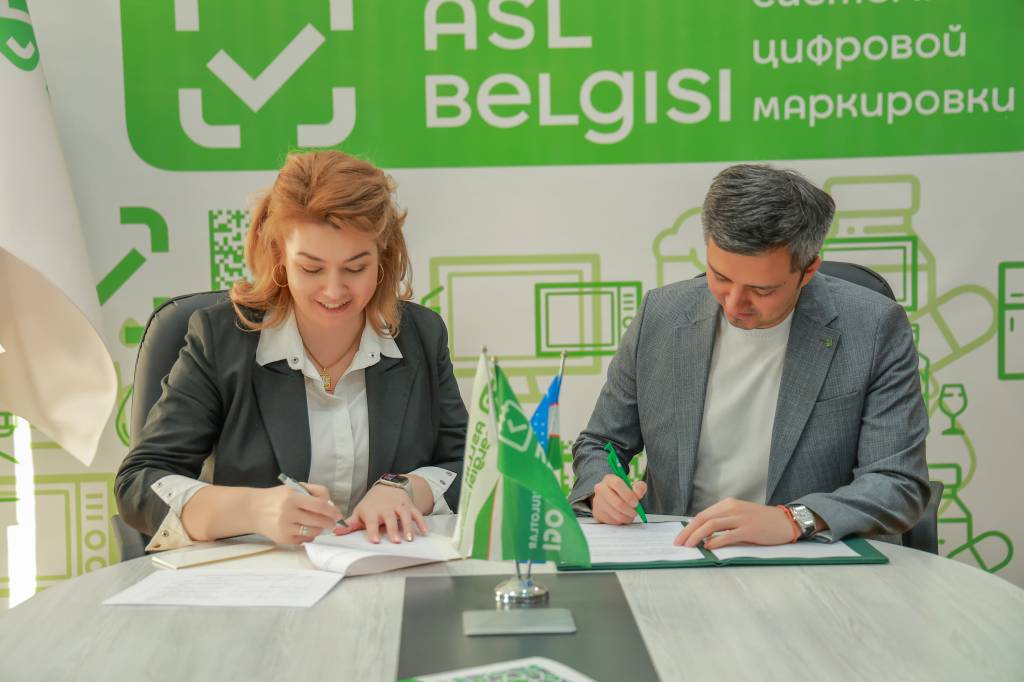
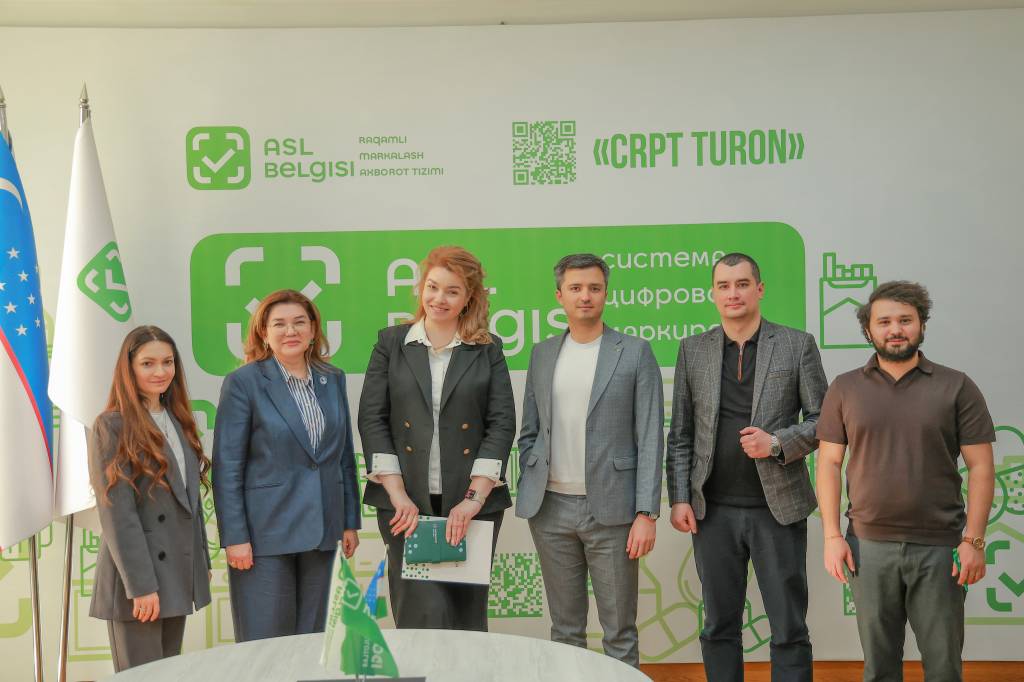
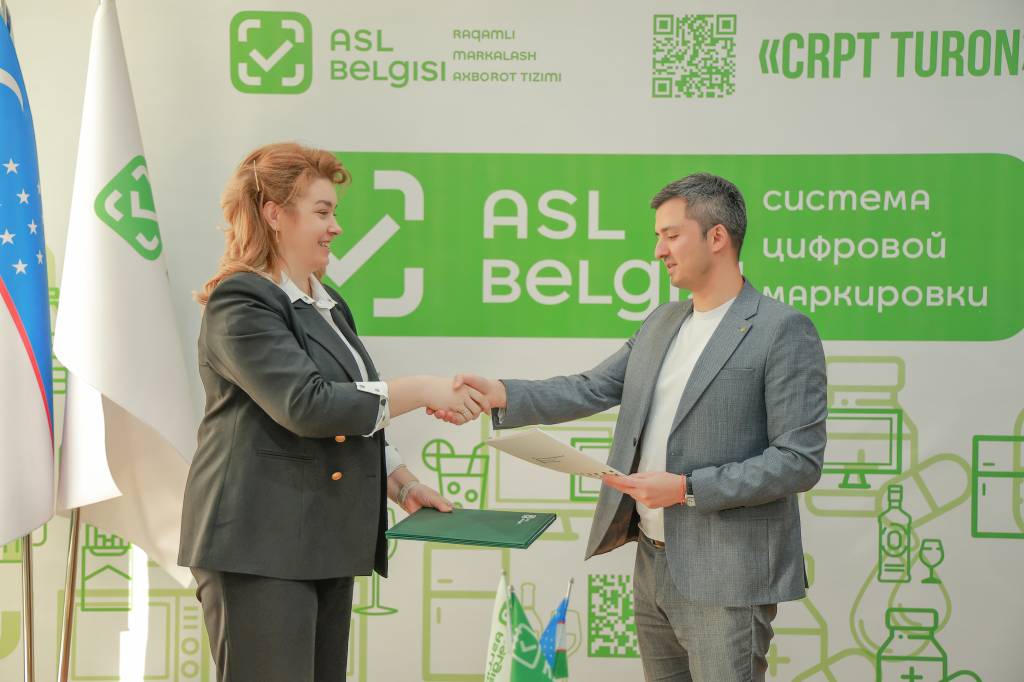
On March 11, a Memorandum of Cooperation was signed between the operator of the National Information System for Digital Labeling and Traceability of Goods, Asl Belgisi, and the Navbahor pharmacy chain. The partnership aims to raise public awareness of the digital labeling system for medicines and the ability to verify their authenticity.
Under the memorandum, the parties agreed on long-term cooperation in consumer awareness. Throughout the year, several joint PR and informational activities are planned to raise awareness of digital labeling, promote tools to verify medicines, and foster a culture of informed purchasing.
Pharmacy as a Trusted Point of Care
The pharmacy chain serves as a key point of contact with consumers. Stickers with QR codes have already been placed in Navbahor pharmacies: by scanning them, visitors can download the Asl Belgisi app (Android/iOS) free of charge and immediately verify the purchased medicine using the digital labeling code (DataMatrix). This allows customers to confirm the medicine’s authenticity and compliance with the declared characteristics directly at checkout.
Why is it necessary
Digital labeling guarantees transparency in the distribution of medicines by tracking each package throughout its entire life cycle, from the manufacturer to the end consumer. The system helps detect counterfeit products, monitor market conditions, and prevent shortages of critical medicines.
For consumers, it enables independent verification of the legality and quality of purchased medicines using a mobile phone. For businesses, it minimizes losses from counterfeit products, enhances logistics efficiency, and safeguards brand reputation. For the government, it guarantees oversight of the circulation of medicines, facilitates price monitoring, and promotes market transparency.
International Practice
To date, digital labeling of medicines has been implemented in the Republic of Kazakhstan and the Russian Federation, and is actively developing in the United States, European Union member states, Türkiye, South Korea, India, China, and other nations.
The mechanism for mutual recognition of codes was previously used in the pharmaceutical sectors of Uzbekistan and Russia. In 2024, an intergovernmental agreement was signed to facilitate data exchange on medicine labeling codes, and by 2025, the mutual recognition mechanism was successfully tested and implemented.

Consumers in partner countries will be able to verify goods produced in Uzbekistan, while domestic consumers will be able to check imported products. Therefore, digital labeling becomes a universal trust tool that works regardless of the product’s country of origin.

The development of such partnerships helps build greater trust in the pharmaceutical market and enhances the consumer protection system by leveraging modern digital tools.
UzA