The Presidents of Uzbekistan and Kazakhstan express support for developing the strategic partnership and alliance
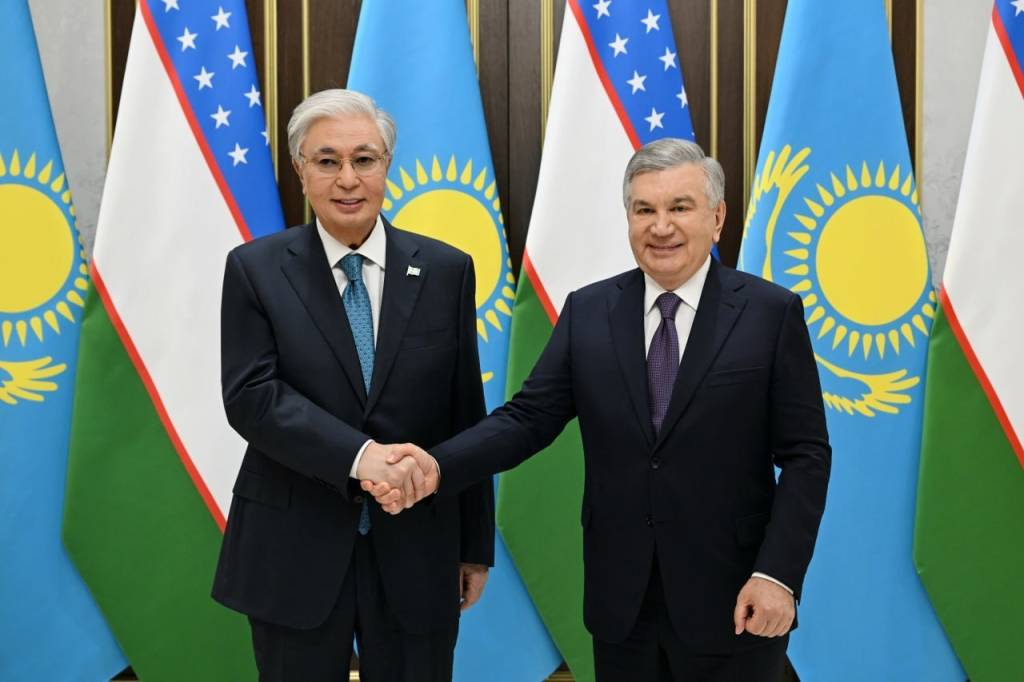
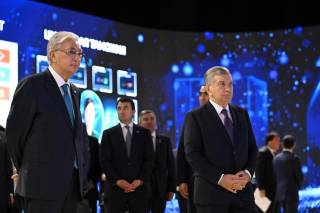
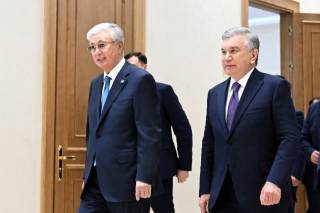
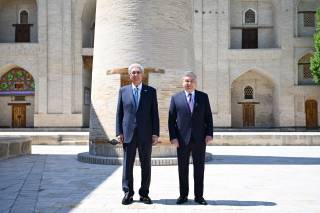
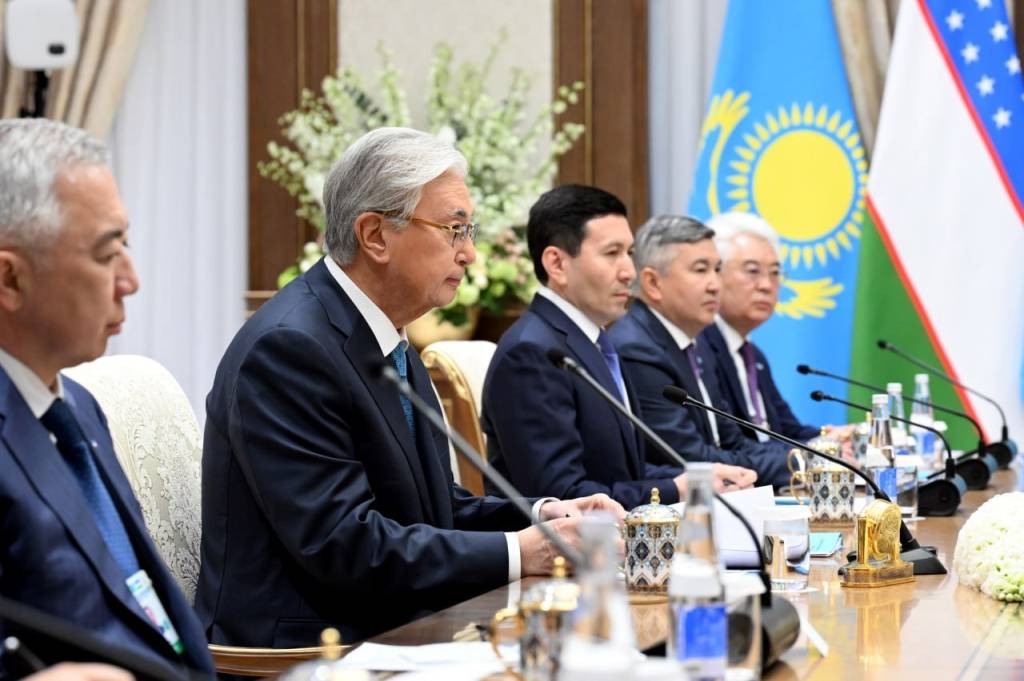
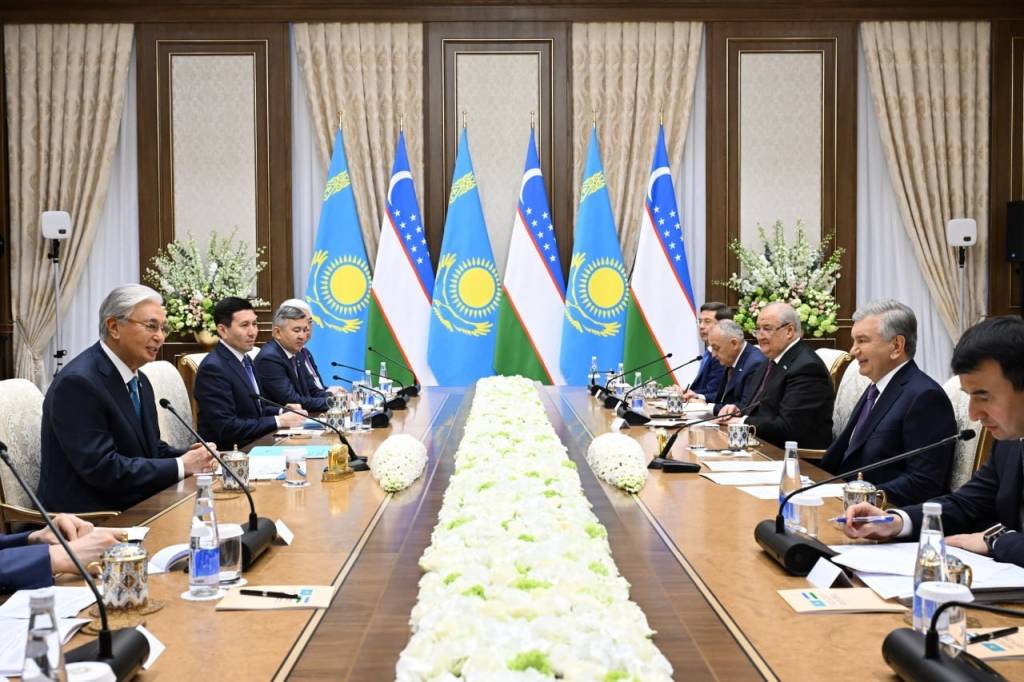
The President of the Republic of Uzbekistan Shavkat Mirziyoyev met with the President of the Republic of Kazakhstan Kassym-Jomart Tokayev in Bukhara.
The parties discussed current issues related to strengthening friendship, strategic partnership, and alliance between Uzbekistan and Kazakhstan.
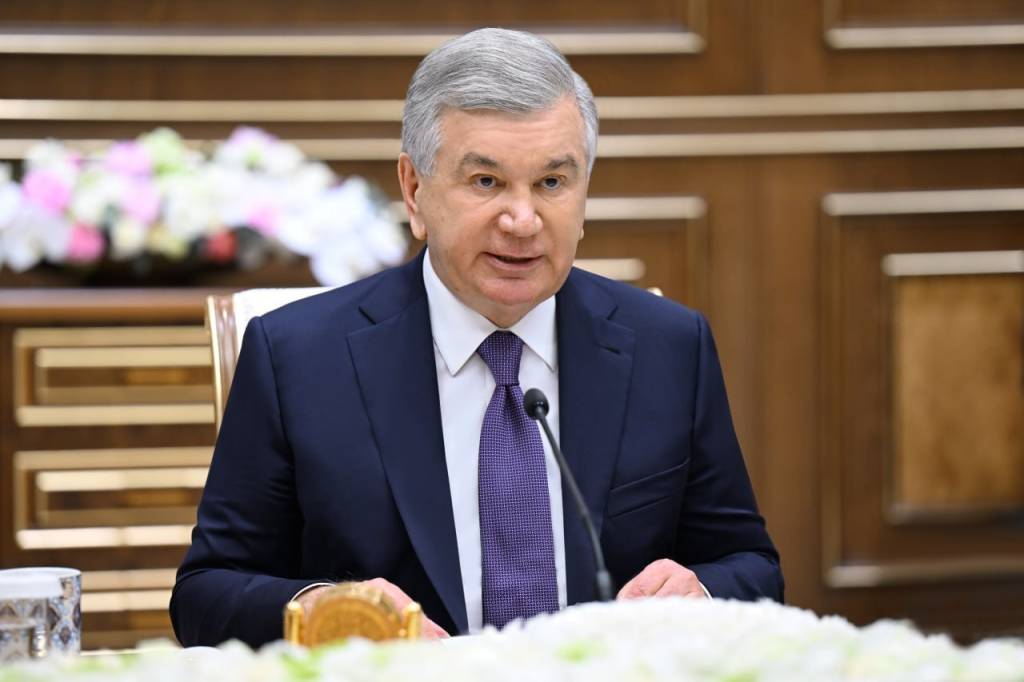
At the beginning of the talks, the President of Uzbekistan congratulated the President of Kazakhstan on the successful conduct of the referendum on the new Constitution.
The leaders noted that regular informal regional meetings have become a good tradition, enabling open and constructive dialogue on the bilateral and regional agendas.
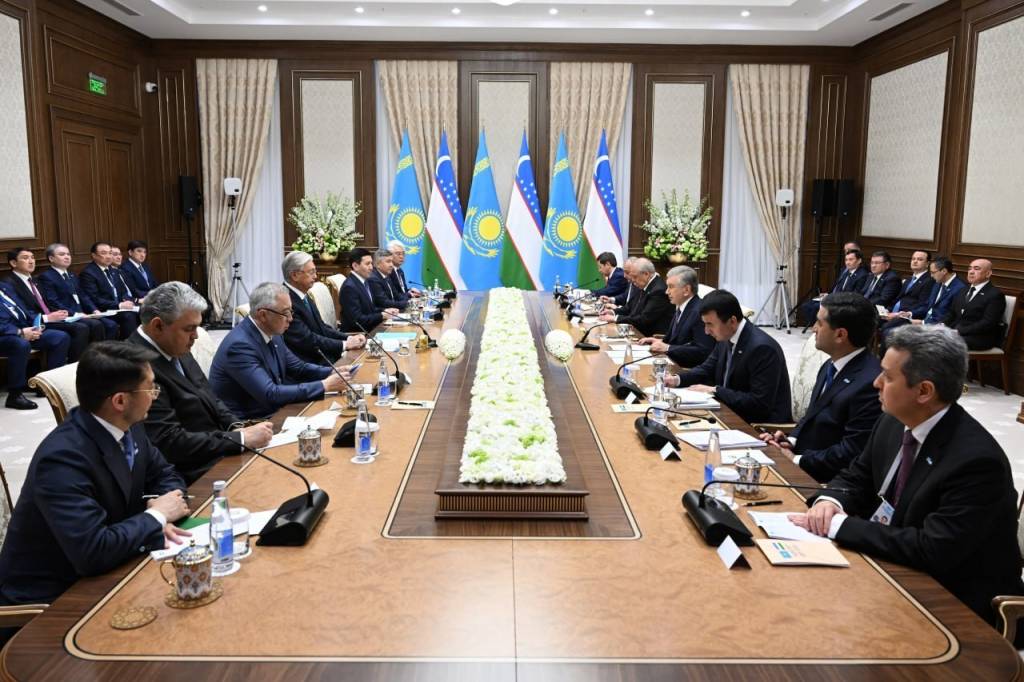
The parties expressed satisfaction with the implementation of the agreements reached during the President of Kazakhstan’s visit to Uzbekistan last November.
Contacts at all levels have intensified, including intergovernmental and interparliamentary cooperation.
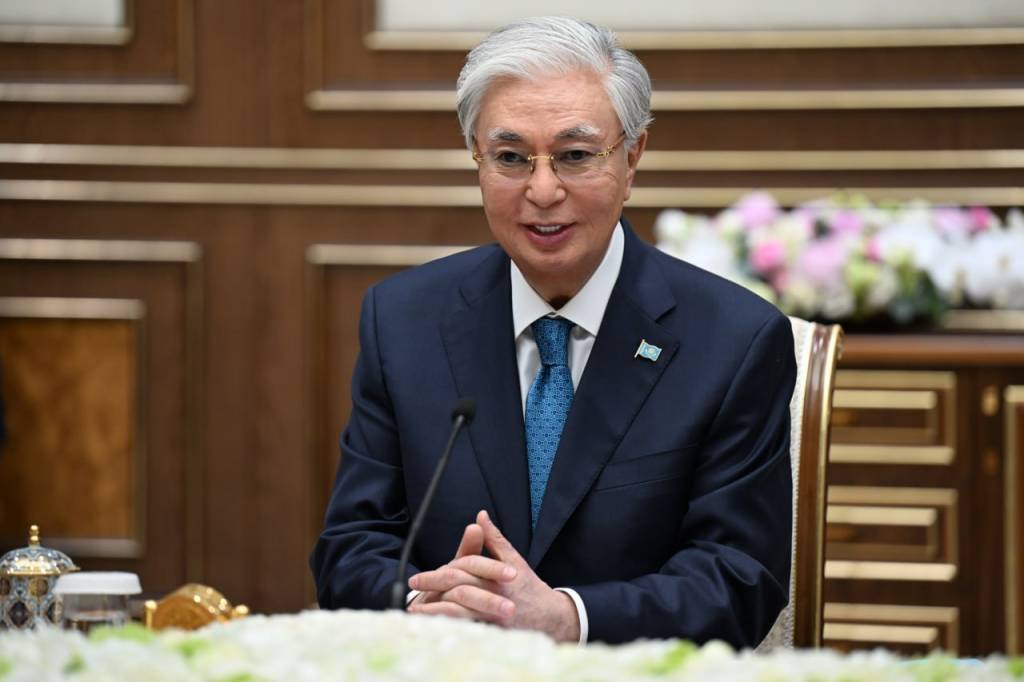
Bilateral trade continues to grow steadily, reaching $5 billion last year. Joint projects are being successfully implemented across the automotive industry, infrastructure, logistics, electrical engineering, building materials, and other sectors.
Several new initiatives were also considered in areas such as chemistry, geology, energy, and automotive component production.
Particular attention was paid to developing transport and logistics connectivity. The need to implement joint measures to modernize border infrastructure, eliminate bottlenecks, and establish efficient transport corridors that provide access to external markets was emphasized.
The parties also discussed accelerating major regional projects, including the construction of the Kambarata hydropower plant and the promotion of green-energy export initiatives.
The importance of joint efforts to promote the rational use of water resources and advance regional environmental initiatives, including Clean Air projects in border areas, was emphasized.
The leaders expressed their commitment to expanding cooperation in innovative and high-tech sectors, including collaboration on space technologies, digitalization, e-commerce, and support for startups.
An agreement was reached to intensify cultural and humanitarian exchanges, including the holding of Culture Days and youth forums, and to strengthen partnerships in the creative economy and tourism.
The heads of state also exchanged views on international and regional matters.
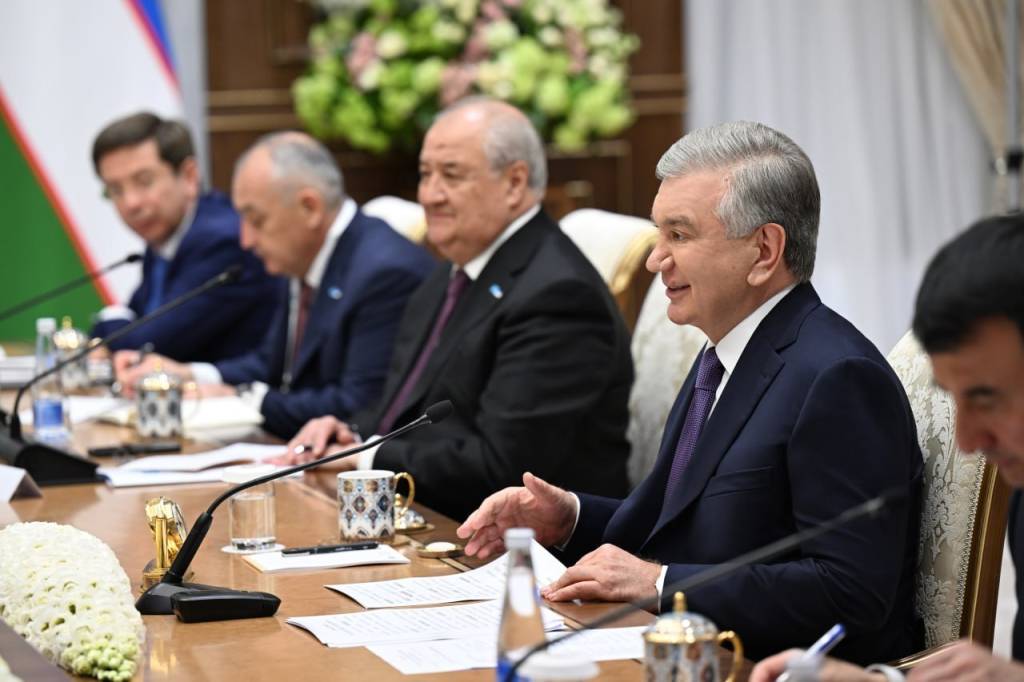
During the meeting, the deputy prime ministers reported on current aspects of the trade and economic agenda, including measures to increase bilateral trade to $10 billion in the near term.
Following the talks, the governments were instructed to adopt a roadmap to implement the agreements reached.
UzA