Tashkent’s progress driven by human capital
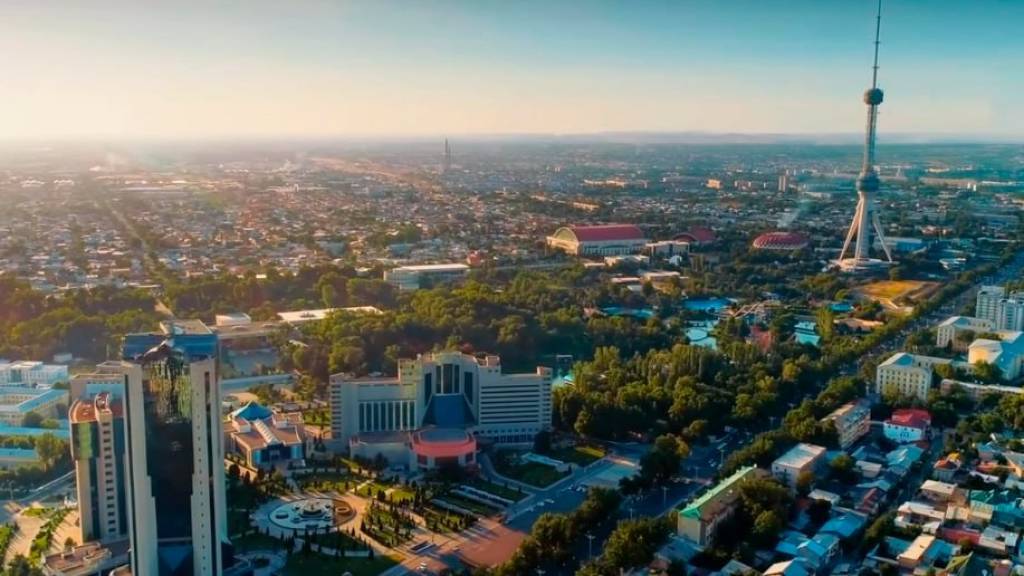
Tashkent is evolving, and these changes are increasingly noticeable not just in daily life but also in international assessments. Uzbekistan’s capital is climbing global city rankings, reflecting progress across key sectors. However, behind every ranking score are not just infrastructure, roads, or economic data, but primarily the people.
In the 2026 Global Cities Index, Tashkent advanced 128 positions to 343rd among the top 1,000 cities worldwide. The most remarkable progress was in the economic category, where the capital jumped from 558th to 188th in just a year. This leap highlights the rapid transformation of Tashkent’s economic landscape and its growing integration into global networks.
Still, one indicator stands out as particularly crucial for the capital’s future: human capital. Tashkent’s performance in this area is especially impressive, ranking 108th globally in 2026. In contrast, Uzbekistan’s capital was ranked 136th in 2024 and 123rd in 2025. Over three consecutive rankings, Tashkent has consistently enhanced its position in a metric that captures the knowledge, skills, and professional potential of its residents.
According to the Tashkent city administration, the city’s progress depends not just on construction or production, but also on the opportunities it offers its residents. A modern city becomes competitive when it can attract, develop, and retain talented people, and foster an environment conducive to education, professional development, entrepreneurship, and innovation.
This trend is further supported by an international study, Boston Consulting Group’s Built to Change: How Cities Compete for the Future, conducted in 2025 and published on May 21, 2026. It shows Tashkent ranked third among 80 global cities for the speed of change, after Shenzhen and Riyadh. The city also led in the pace of change in economic activity.
Importantly, BCG assessed more than just the cities’ current conditions. The study sought to determine how quickly cities are developing, adapting to new circumstances, and improving the environment for their residents. To this end, BCG analyzed more than 200 indicators, along with the views of 24,000 urban residents worldwide.
Behind these impressive figures, however, are real people once again: a teacher who works with children every day, a doctor responsible for patients’ health, an engineer developing new solutions, an entrepreneur creating jobs, a student just beginning a professional career, and a municipal services employee whose work keeps the metropolis running every day. Each of them contributes to Tashkent’s development.
Human capital is not just an abstract ranking category. It reflects a city’s capacity to offer residents knowledge, opportunities, and space to fulfill their potential. As more opportunities are created, the city gains strength.
International analysts have identified Tashkent as one of the Cities to Watch, highlighting its notable development. For the capital, this acknowledgment signifies both global recognition of its progress and the collective efforts of everyone working daily to transform the city.
A high-ranking position should not be the ultimate goal. The true value of any indicator lies in the tangible improvements it signals in daily life. For residents, it’s essential not just to see the city climb international rankings, but also to feel this progress in their daily routines – on the way to work, in their courtyards, neighborhoods, schools, hospitals, and public areas.
Tashkent continues to confront challenges that require ongoing effort: improving the urban environment, enhancing ecological conditions, developing neighborhoods, and making the city more accessible for all residents. Economic growth should create new opportunities – whether for education, employment, entrepreneurship, career advancement, or family life in the city.
Then, Tashkent’s success will be measured not just by its global rankings but also by its people, by their knowledge, initiative, confidence in the future, and their desire to build their lives in the city.
Roman Bondarchuk, UzA