Measures to develop healthcare infrastructure and expand private sector participation reviewed
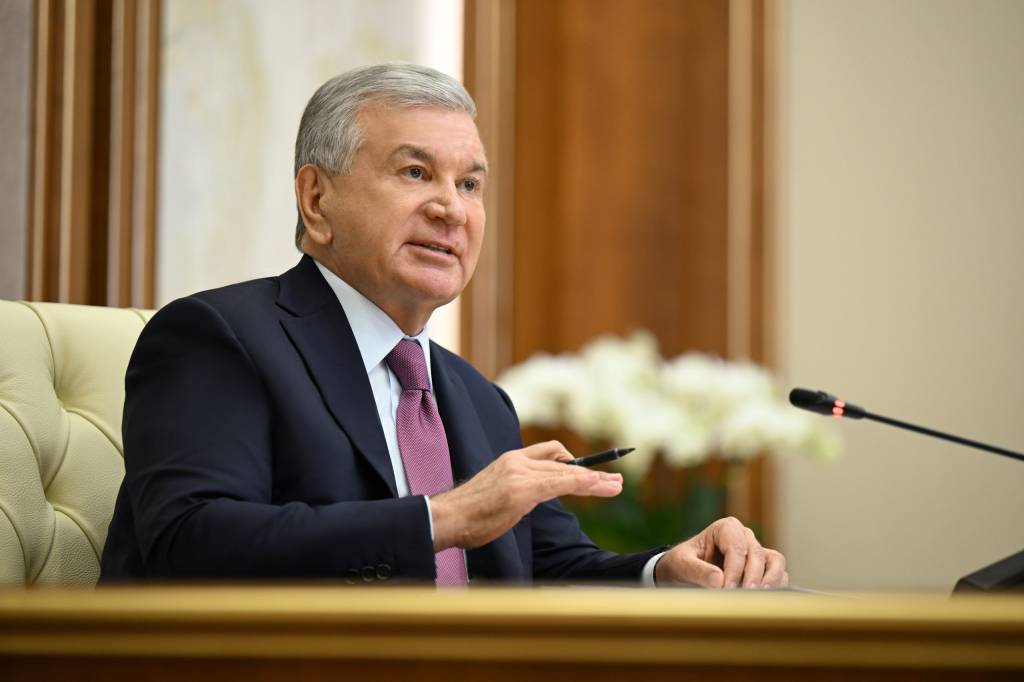
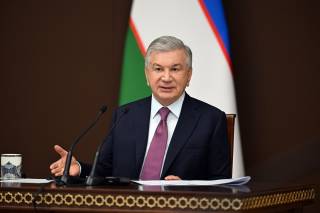
President Shavkat Mirziyoyev reviewed a presentation on developing healthcare infrastructure based on a unified master plan and expanding private sector participation in the healthcare system.
The location, construction and equipping of medical facilities must be planned in accordance with the needs of the population. Currently, healthcare services in some regions are fragmented, hospital beds are distributed inefficiently, and outdated buildings and equipment affect the quality of medical care.
The work is expected to begin with collecting reliable data on existing facilities. An inventory conducted in ten regions identified 3,499 healthcare facilities, 494 more than recorded by the Cadastre Agency. It was proposed to complete the inventory in all regions, create digital profiles for each facility and establish a unified digital registry of healthcare properties.

Based on these data, the implementation of master plans for healthcare infrastructure development for 2026-2036 was discussed. The plans will take into account the size and growth of the population in each region, demand for medical services, the capacity of healthcare facilities and the time patients need to reach them. The master plans will determine which facilities should be retained, consolidated or reconstructed, where new ones should be built, how they should be equipped and how many medical professionals will be required. Investment programs are also expected to be developed based on these plans.
Healthcare facilities will be interconnected based on the level of care they provide. Complex, high-tech medical services will be concentrated in designated centers, while basic and emergency medical care will remain available at the district level. Separate service standards will be used when planning primary healthcare facilities for rural and remote communities, as well as for urban areas.
The need for this approach was illustrated by the example of Samarkand region. Although 80 percent of its population lives in districts outside the regional center, these areas account for only 41.7 percent of hospital beds. The master plan provides for reorganizing healthcare service areas and increasing the districts’ share of hospital beds to 67 percent, bringing medical services closer to the population.
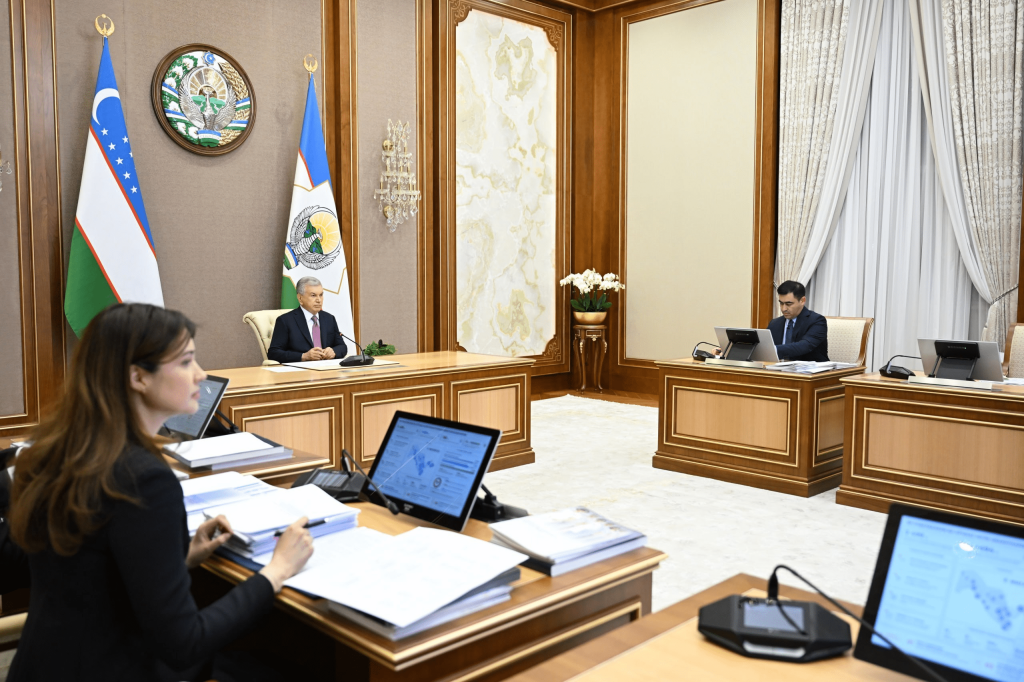
Plans were presented to build new hospitals and reconstruct existing facilities in Samarkand, Urgut, Pastdargom, Kattakurgan, Ishtikhan, and Payariq. It was proposed to reorganize specialized medical institutions in the regional center around multidisciplinary hospitals and develop centralized laboratory, sterilization and diagnostic services. A total of 1,500 new hospital beds are planned to be established in Urgut, Kattakurgan and Pastdargom by 2030.
It was emphasized that establishing new healthcare facilities should not be limited to building construction. A proposal was made to introduce uniform design standards for outpatient clinics and hospitals, ensuring efficient patient flow, infection control, accessibility for all patients and appropriate equipment for medical facilities. In clinical practice, plans include adapting clinical protocols based on international guidelines to national conditions, implementing them and regularly evaluating the results.
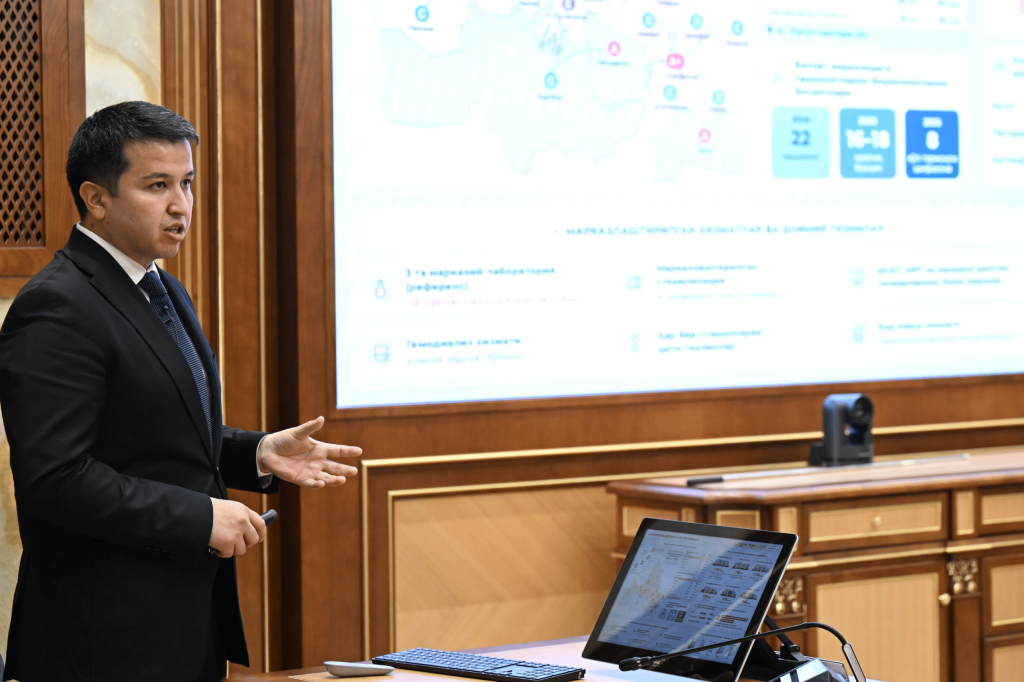
A draft resolution on expanding private sector participation in the healthcare system was also reviewed. It proposes outsourcing medical and support services, including hemodialysis, laboratory diagnostics, other diagnostic services and equipment maintenance. Introducing partnership arrangements lasting up to five years instead of annual contracts would enable private partners to invest in equipment and services on a long-term basis.
Under this arrangement, a public healthcare institution would purchase services, while a private provider would acquire the necessary equipment at its own expense and ensure its operation and modernization. Opportunities to introduce standardized tender documentation and an electronic procurement system, as well as transfer the management of certain healthcare facilities to professional companies, were also considered.
The Head of State instructed responsible officials to thoroughly refine the proposals presented and implement them in stages.
UzA