
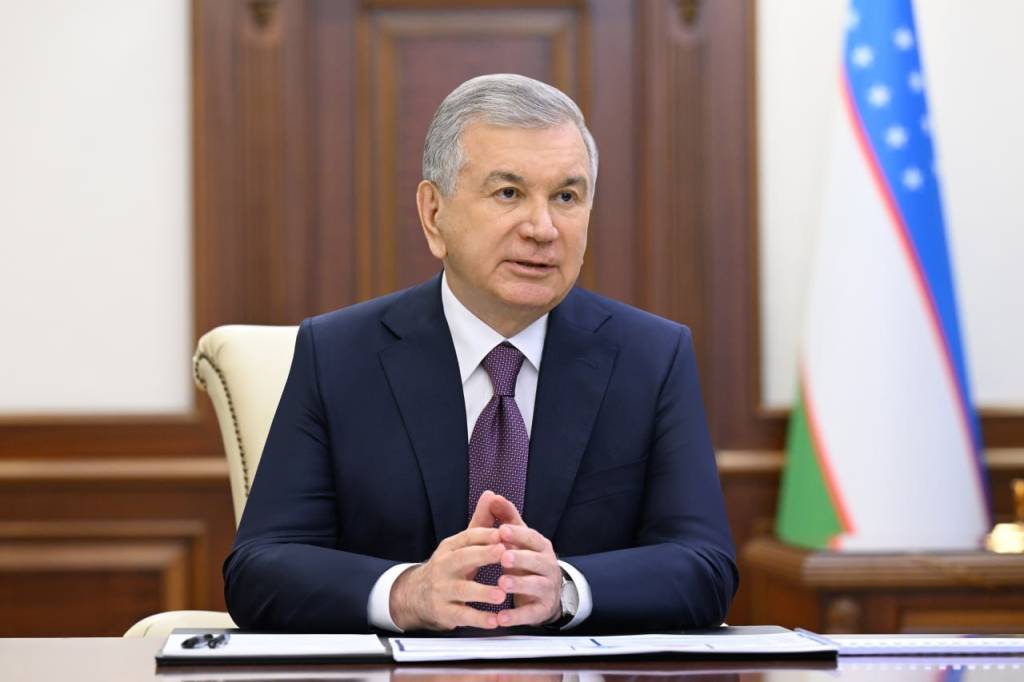
On August 19, President Shavkat Mirziyoyev reviewed a presentation of proposals for transforming the healthcare system and improving the quality of medical care.

The Head of State had issued the relevant instructions during a videoconference meeting held on May 7 of this year. Based on this, several proposals were prepared jointly with industry experts, representatives of the population, and the private sector.

Currently, a large share of the burden falls on republican institutions. Therefore, special attention is being given to expanding the range of services at the regional and district levels, thereby bringing healthcare closer to the people.

With this in mind, 1,500 clinical protocols will be adapted, standard operating procedures will be developed, and clinical pathways for the most common diseases will be fully implemented and digitalized.

In particular, recent years have seen an increase in cases of hypertension, ischemic heart disease, and diabetes, which often lead to strokes and heart attacks. In 85 percent of such cases, patients are left with disabilities.

In this regard, it has been proposed to introduce new protocols and approaches at the primary care level for the prevention and treatment of these diseases, making broad use of artificial intelligence. In addition, ECG telemetry, telemedicine, thrombolytic therapy, stenting, and thrombectomy will be introduced. Alongside this, special attention will be given to raising awareness and educating the population on the algorithm for early recognition of stroke symptoms.

To improve the treatment of neurological diseases and strokes, a National Medical Center for Neurology and Neurorehabilitation will be established. A modern facility with 250 beds will be built in Tashkent for this center, where more than 3,000 operations are planned to be performed annually.

This center, as well as the clinics of medical universities in Samarkand and Bukhara, will be equipped with modern medical technology. In addition, with the support of Japanese partners, an early rehabilitation service based on international standards will be introduced. A total of 150 medical specialists will undergo advanced training and retraining abroad. The implementation of this project will be allocated $150 million.

These measures will help reduce disability and incapacity for work.

It has been proposed to map and digitalize the existing healthcare system and, on this basis, develop a master plan for the organization of medical institutions with a unified approach. This will include the development and implementation of new construction standards, the revision of 210 sanitary regulations, as well as the design of standard projects for polyclinics and hospitals.

Currently, public trust in laboratory test results is low. The weakness of the laboratory service complicates the prevention and treatment of diseases. At the district level, 2,800 polyclinics are served by 1,500 laboratories. Much of the equipment is outdated, and specific tests are still conducted manually.

For this reason, it has been proposed to improve the laboratory system by establishing 198 centralized laboratories by the end of 2030, introducing internal and external quality control, and digitalizing all processes. The number of free tests will also be increased.
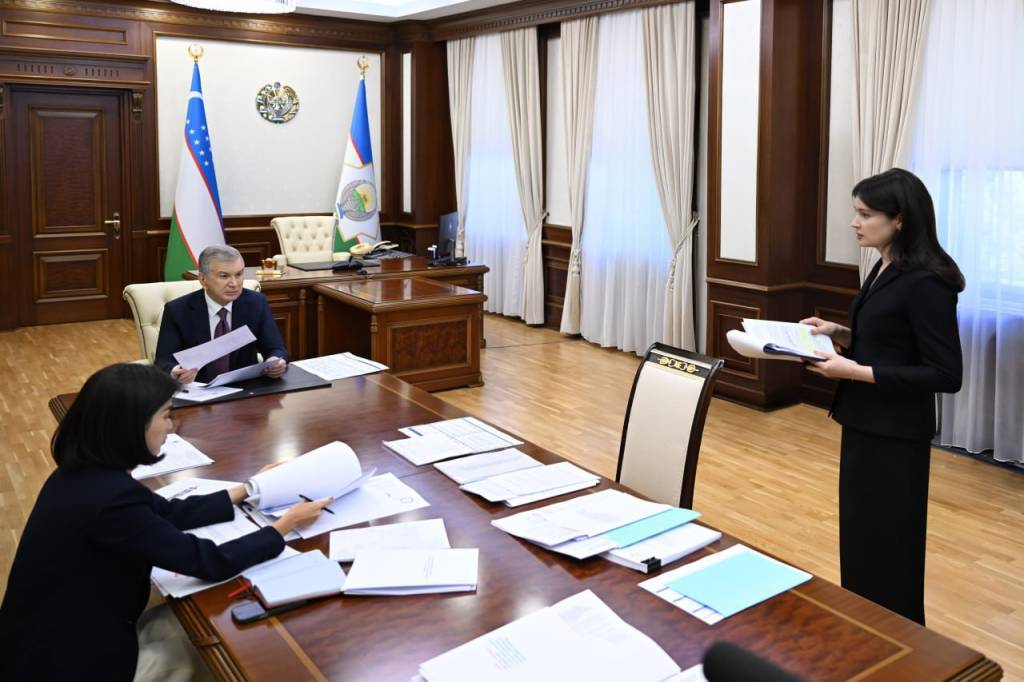
Measures will be taken to develop professional and higher medical education.

It has been proposed to transform the work of the Nursing Academy by establishing the Academy of Professional Medicine at Tashkent State Medical University.

With the support of international partners, joint training programs will be developed and implemented, along with the introduction of international certification for nurses based on the NCLEX exam. The enrollment quota for universities offering higher education in nursing will be gradually increased.

It has also been proposed to accredit all educational programs in accordance with the requirements of international organizations, introduce an integrated curriculum and a one-year internship in family medicine, implement a two-stage knowledge assessment system, and increase the student-to-faculty ratio. The amount of students’ practical training “at the patient’s bedside” will also be expanded. A system for registering healthcare workers will be gradually introduced.

The next area of focus is the improvement of public health. To this end, it has been proposed to reorient the activities of the Committee on Sanitary and Epidemiological Well-Being and Public Health toward preventive measures aimed at reducing noncommunicable diseases, maternal and child mortality, as well as injuries, through the development of a national program for the prevention of noncommunicable diseases.

The issue of improving the blood service was also addressed.

It was proposed to adopt a program for 2026-2030, under which the blood supply would be increased to 100 percent, the production of blood products would be established, and blood safety would be ensured through the introduction of virus inactivation and irradiation practices.

These measures will help reduce mortality from bleeding and ensure the availability of blood.

At present, the active development of the pharmaceutical market has increased its volume to more than $2 billion. Reforms are aimed at providing the population with high-quality, safe, and effective medicines.

In this area, it is planned to introduce a procedure for recognizing the registration of medicines in accordance with WHO-recommended criteria, bioequivalence testing of generics, a differentiated system for the registration of medical devices based on their safety class, and a notification procedure for initiating activities related to the distribution of medical devices.

Contract manufacturing and technology transfer will be established, and modern mechanisms of pharmacovigilance will be introduced.

The President approved the submitted proposals and signed the relevant documents aimed at their implementation. Instructions were given to ensure the systematic and high-quality execution of the assigned tasks.

UzA

English
Chinese
Turkish
Tajik
Kyrgyz
Turkmen
Japanese
Arabic
English
French
Spanish
Русский
German
Ўзбек
Oʻzbek
Қазақ
Proposals for transforming the healthcare system reviewed

On August 19, President Shavkat Mirziyoyev reviewed a presentation of proposals for transforming the healthcare system and improving the quality of medical care.

The Head of State had issued the relevant instructions during a videoconference meeting held on May 7 of this year. Based on this, several proposals were prepared jointly with industry experts, representatives of the population, and the private sector.

Currently, a large share of the burden falls on republican institutions. Therefore, special attention is being given to expanding the range of services at the regional and district levels, thereby bringing healthcare closer to the people.

With this in mind, 1,500 clinical protocols will be adapted, standard operating procedures will be developed, and clinical pathways for the most common diseases will be fully implemented and digitalized.

In particular, recent years have seen an increase in cases of hypertension, ischemic heart disease, and diabetes, which often lead to strokes and heart attacks. In 85 percent of such cases, patients are left with disabilities.

In this regard, it has been proposed to introduce new protocols and approaches at the primary care level for the prevention and treatment of these diseases, making broad use of artificial intelligence. In addition, ECG telemetry, telemedicine, thrombolytic therapy, stenting, and thrombectomy will be introduced. Alongside this, special attention will be given to raising awareness and educating the population on the algorithm for early recognition of stroke symptoms.

To improve the treatment of neurological diseases and strokes, a National Medical Center for Neurology and Neurorehabilitation will be established. A modern facility with 250 beds will be built in Tashkent for this center, where more than 3,000 operations are planned to be performed annually.

This center, as well as the clinics of medical universities in Samarkand and Bukhara, will be equipped with modern medical technology. In addition, with the support of Japanese partners, an early rehabilitation service based on international standards will be introduced. A total of 150 medical specialists will undergo advanced training and retraining abroad. The implementation of this project will be allocated $150 million.

These measures will help reduce disability and incapacity for work.

It has been proposed to map and digitalize the existing healthcare system and, on this basis, develop a master plan for the organization of medical institutions with a unified approach. This will include the development and implementation of new construction standards, the revision of 210 sanitary regulations, as well as the design of standard projects for polyclinics and hospitals.

Currently, public trust in laboratory test results is low. The weakness of the laboratory service complicates the prevention and treatment of diseases. At the district level, 2,800 polyclinics are served by 1,500 laboratories. Much of the equipment is outdated, and specific tests are still conducted manually.

For this reason, it has been proposed to improve the laboratory system by establishing 198 centralized laboratories by the end of 2030, introducing internal and external quality control, and digitalizing all processes. The number of free tests will also be increased.

Measures will be taken to develop professional and higher medical education.

It has been proposed to transform the work of the Nursing Academy by establishing the Academy of Professional Medicine at Tashkent State Medical University.

With the support of international partners, joint training programs will be developed and implemented, along with the introduction of international certification for nurses based on the NCLEX exam. The enrollment quota for universities offering higher education in nursing will be gradually increased.

It has also been proposed to accredit all educational programs in accordance with the requirements of international organizations, introduce an integrated curriculum and a one-year internship in family medicine, implement a two-stage knowledge assessment system, and increase the student-to-faculty ratio. The amount of students’ practical training “at the patient’s bedside” will also be expanded. A system for registering healthcare workers will be gradually introduced.

The next area of focus is the improvement of public health. To this end, it has been proposed to reorient the activities of the Committee on Sanitary and Epidemiological Well-Being and Public Health toward preventive measures aimed at reducing noncommunicable diseases, maternal and child mortality, as well as injuries, through the development of a national program for the prevention of noncommunicable diseases.

The issue of improving the blood service was also addressed.

It was proposed to adopt a program for 2026-2030, under which the blood supply would be increased to 100 percent, the production of blood products would be established, and blood safety would be ensured through the introduction of virus inactivation and irradiation practices.

These measures will help reduce mortality from bleeding and ensure the availability of blood.

At present, the active development of the pharmaceutical market has increased its volume to more than $2 billion. Reforms are aimed at providing the population with high-quality, safe, and effective medicines.

In this area, it is planned to introduce a procedure for recognizing the registration of medicines in accordance with WHO-recommended criteria, bioequivalence testing of generics, a differentiated system for the registration of medical devices based on their safety class, and a notification procedure for initiating activities related to the distribution of medical devices.

Contract manufacturing and technology transfer will be established, and modern mechanisms of pharmacovigilance will be introduced.

The President approved the submitted proposals and signed the relevant documents aimed at their implementation. Instructions were given to ensure the systematic and high-quality execution of the assigned tasks.

UzA