"Cotton – 2026": The Crucial Season Begins
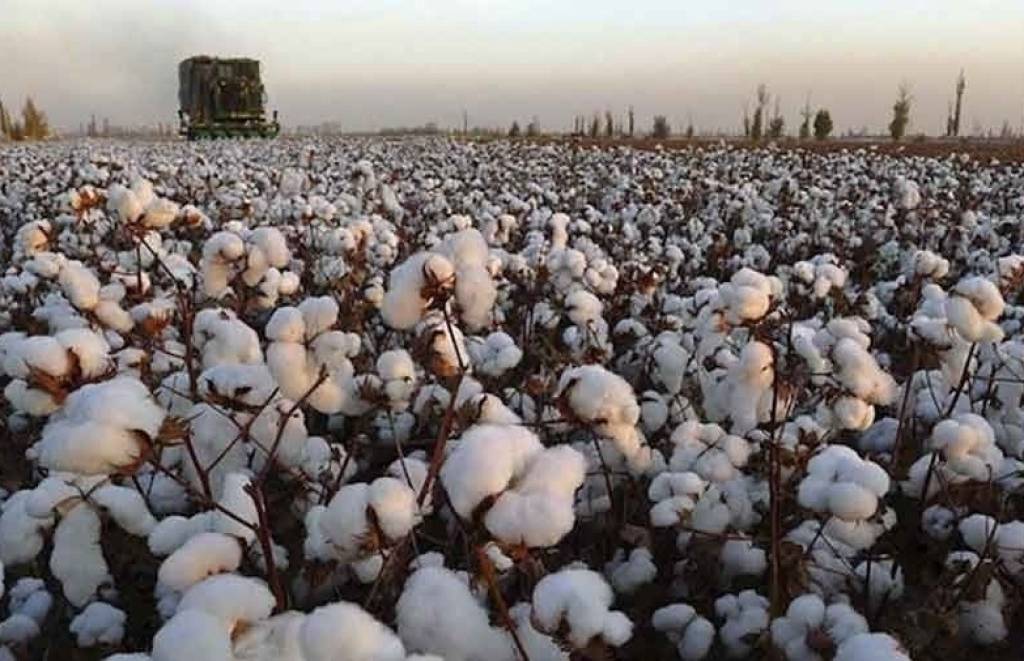
The work of cultivating a delightful cotton harvest from a seed planted in the ground is not an easy one. This process demands year-round labor, patience, and responsibility from the farmer. Especially during the season of gathering the white bounty from the fields, the value of every day and every hour becomes even greater.
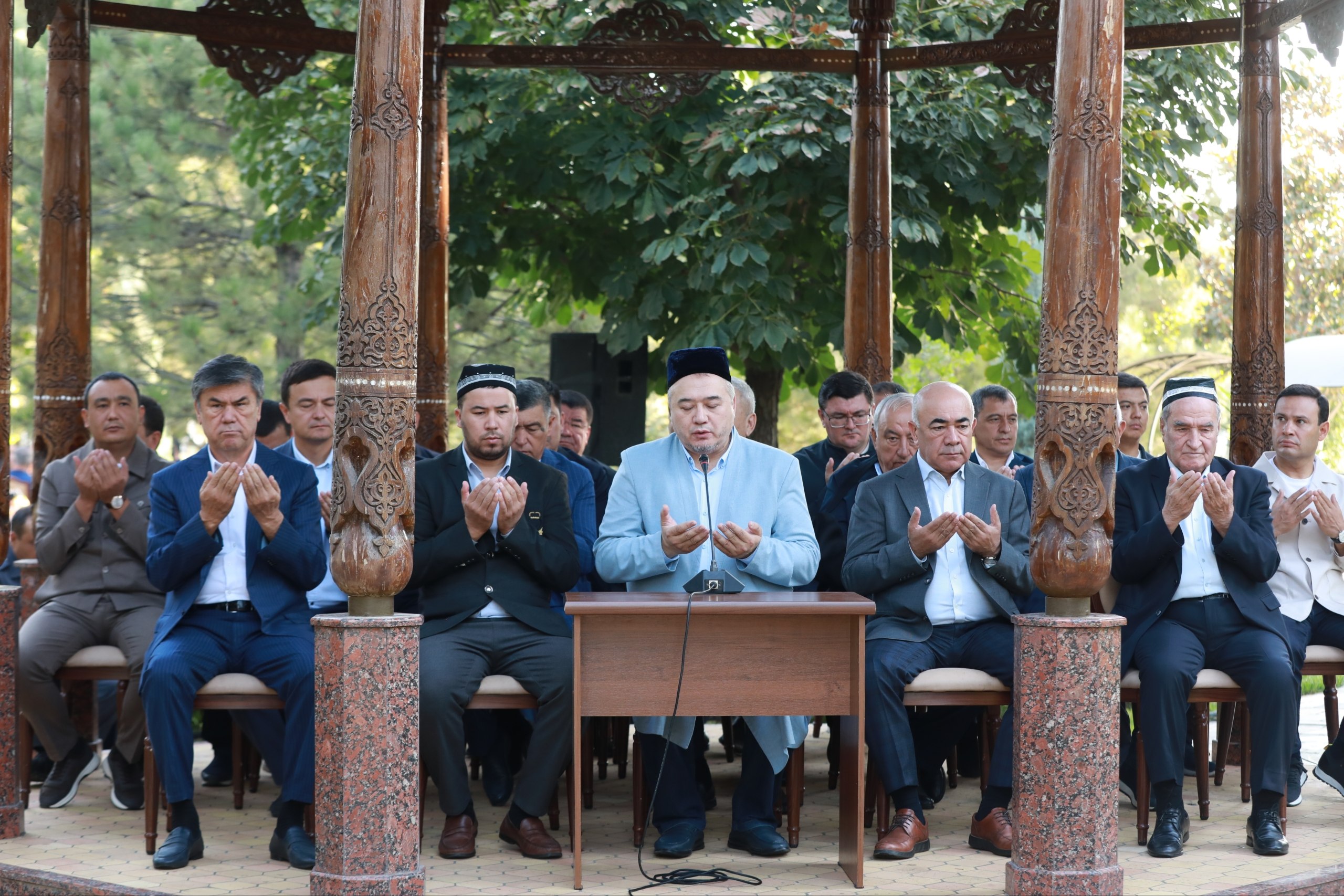
Such a crucial season has also commenced in the Tashkent region. The cotton harvest has begun, a season that will demonstrate the effectiveness of the agrotechnical measures implemented throughout the year and evaluate the work of farmers and machine operators. Traditionally, to enter the new cotton harvest season with good intentions, regional activists, elders, officials from state and public organizations, district and city khokims, heads of farms and clusters, and representatives of the agricultural sector gathered at the Zangiota shrine.
Led by the regional khokim, Zoyir Mirzayev, a pilgrimage was made to the sacred site, and the Quran was recited for the souls of the departed. A sacrificial animal was slaughtered, and a table of charity was laid out. With hands raised in prayer, blessings were given for the labor in the cotton fields to be fruitful, for the abundant harvest to be gathered without loss, for the nation's table to be plentiful, for homes to be prosperous, and for our country to be peaceful and tranquil.
This year has been rich in labor and research for the region's cotton growers. In the fields, important measures such as tending and fertilizing the cotton plants, protecting them from diseases and pests, and using water efficiently were carried out on schedule using modern agrotechnologies. Specifically, 1,110 farms and agricultural enterprises across the region plan to harvest 281,000 tons of cotton from 54,000 hectares of land.
This season, special attention is being paid to increasing the level of mechanization in the harvesting process. To this end, it is planned to mechanically harvest 46,000 hectares, which is 85 percent of the total cotton area. For this purpose, more than 50 new cotton-picking machines were purchased, bringing the number of cotton-harvesting vehicles in the region to 180. Digital technologies are also being given a significant role in managing the harvesting process effectively and making efficient use of available opportunities. In particular, the use of GPS systems is being implemented, which allows for online monitoring of the movement, operating hours, harvested area, and downtime of the cotton-picking machines.
To ensure the season is conducted in an organized manner, to resolve potential problems in the fields on-site, and to provide practical assistance to farmers and clusters, responsible officials from the region have been assigned to each district.
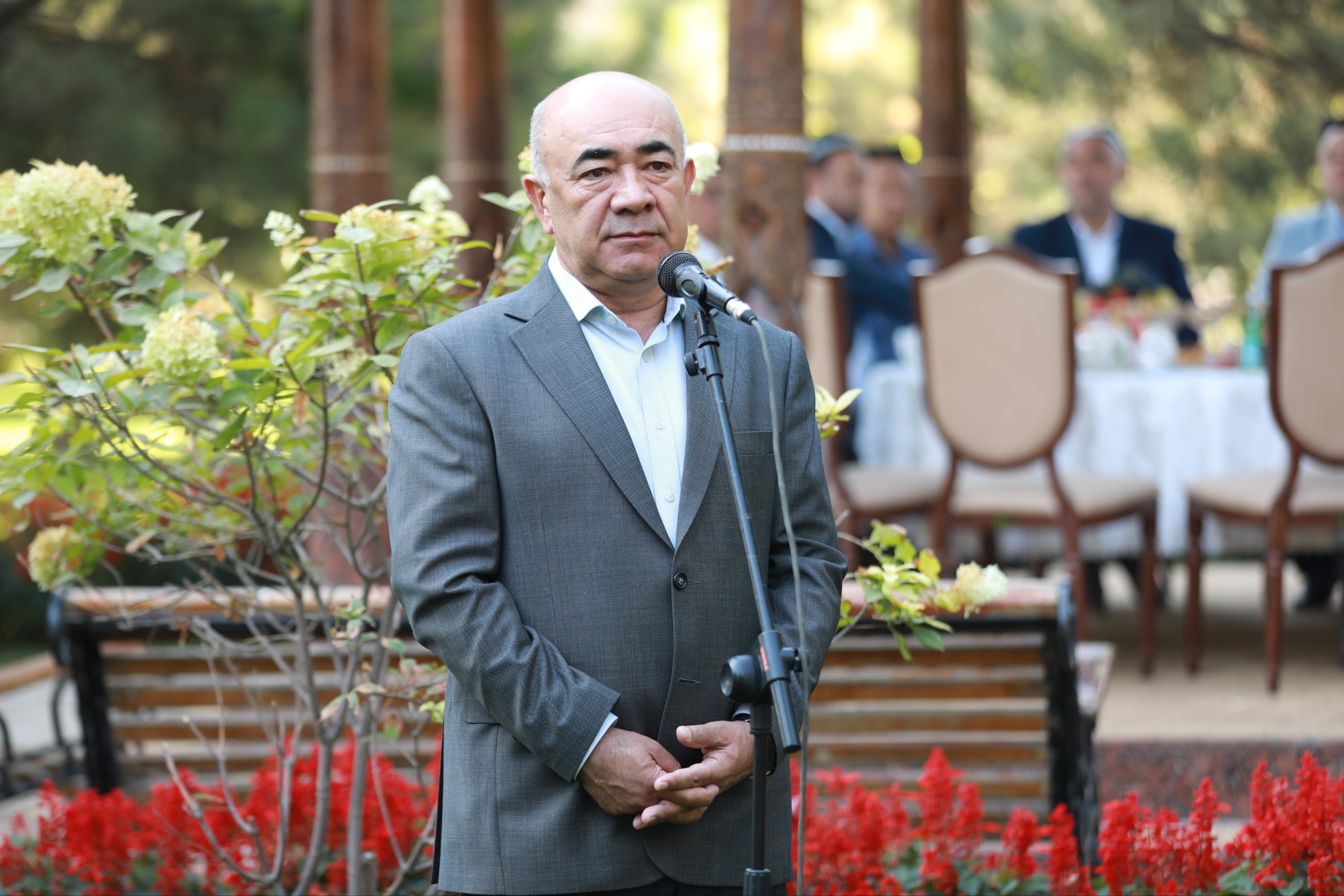
Speaking at the event, the head of the region gave necessary instructions and recommendations to the machine operators, farmers, cluster managers, and industry officials participating in the cotton harvest on systematically organizing the season, using equipment and available resources effectively, gathering the harvest without loss, ensuring fire safety, and strictly adhering to established technical requirements.
A. Musayev, UzA