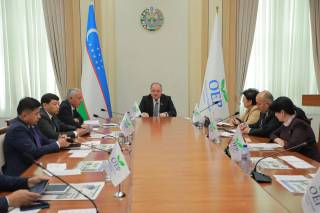
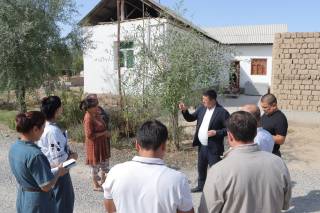
The sustainable development of agriculture is linked to qualified specialists and international experience.
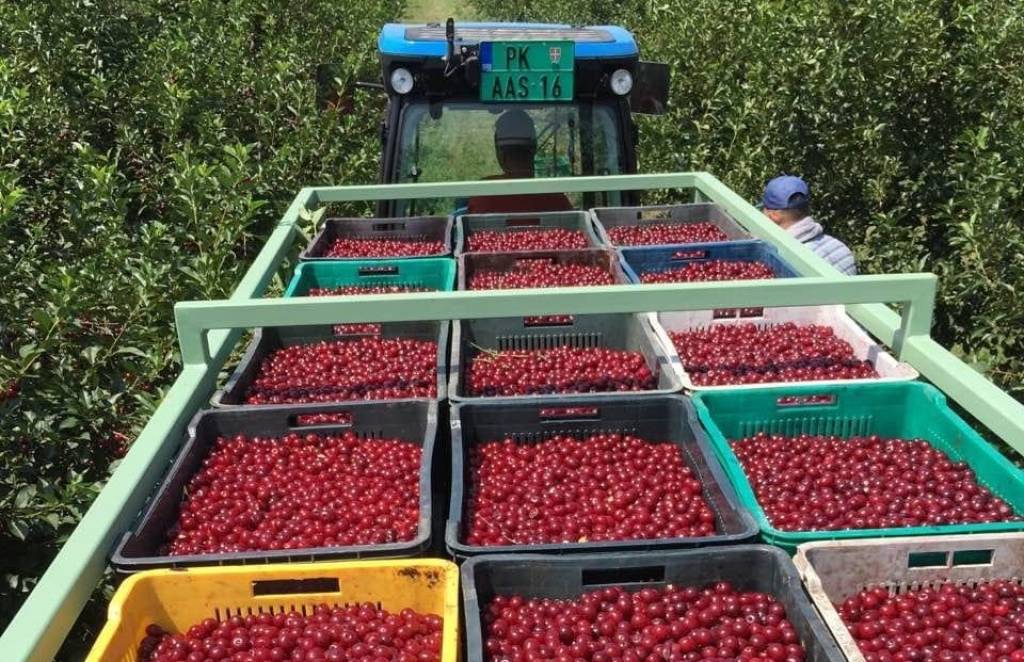
In today's agricultural development, merely making effective use of existing opportunities is no longer sufficient. Key priorities now include introducing modern technologies, studying advanced international practices, mastering new crop varieties and techniques, improving product quality, and expanding export potential.
In this context, the efforts of the Tashkent region to further strengthen ties with foreign partners in the agricultural sector are of particular importance. A series of meetings and negotiations in this area are being held as part of a business visit by Jahongir Mamajonov, Deputy Governor of the region and Head of the Department of Investments and Foreign Trade, to the Republic of Serbia. The primary focus of these discussions is on expanding mutually beneficial cooperation and attracting foreign experience and investment to the region's agricultural sector.
Specifically, during a meeting with D. Miladinović, director of the Serbian company "Kalem-Voće Miladinović," which has over 70 years of experience in the nursery sector, opportunities for developing intensive horticulture and introducing modern seedling technologies in the Tashkent region were discussed.
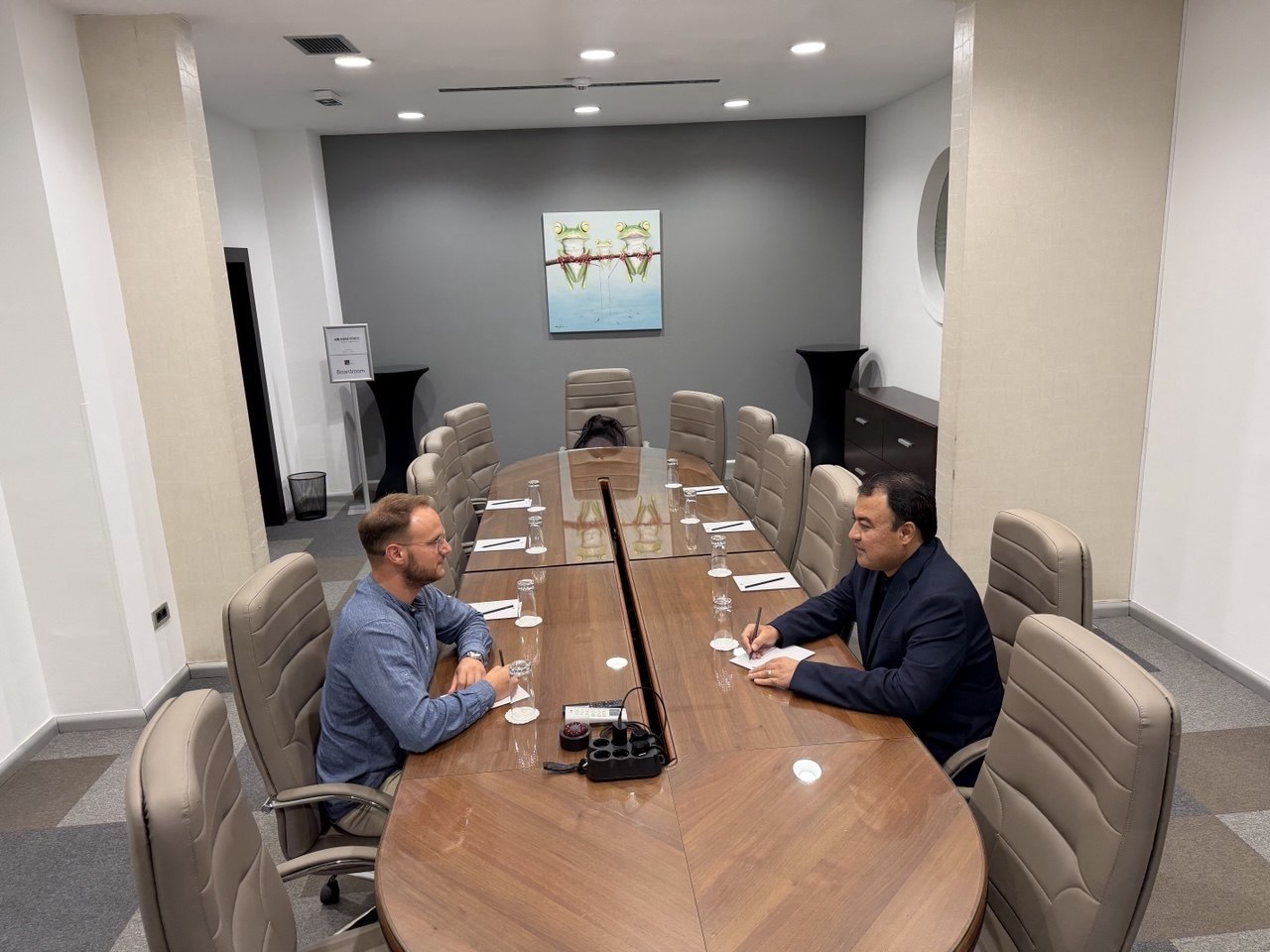
It was noted that today, organizing effective horticulture is crucially dependent not only on land and water resources but also on high-quality seedlings, properly selected varieties and rootstocks, modern agricultural technologies, and a scientific approach.
In this regard, Serbia's extensive experience in this field holds significant practical importance for the Tashkent region. In addition to providing consulting services on growing fruit tree seedlings and rootstocks and establishing intensive orchards, the company also supplies its products to international markets.
During the negotiations, there was an exchange of views on the experience of growing seedlings for fruit such as apples, pears, sour cherries, sweet cherries, plums, apricots, peaches, quinces, and grapes, as well as the use of rootstocks like M9 T337, MM106, M26, and BA29 for modern intensive orchards.
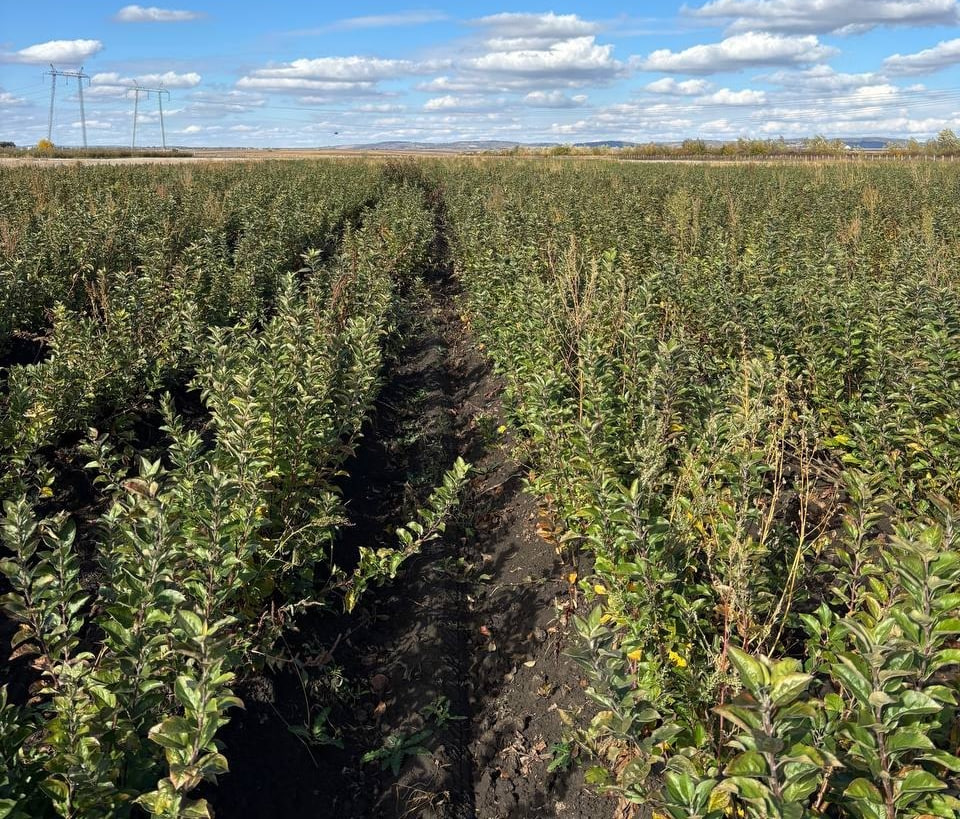
The significance of such cooperation lies in the opportunity it creates to develop effective solutions adapted to local conditions by directly studying foreign experience and technologies. This, in turn, helps to increase yields, improve product quality, ensure the rational use of resources, and enhance the competitiveness of agricultural products.
Throughout the talks, agreements were reached to consistently continue practical cooperation between the parties, exchange experience among specialists, and organize a visit by Serbian industry representatives to the Tashkent region. In the future, it is planned to develop practical proposals with specialists from the Serbian company for developing intensive horticulture, selecting promising varieties and rootstocks, and establishing modern nurseries, all based on the specific climate and soil conditions of the region.
Notably, such collaborations are not limited to a single project or enterprise. At their core is the aim of acquiring new knowledge and technologies in agriculture, building the capacity of local producers, attracting investment, and creating opportunities to enter new markets.
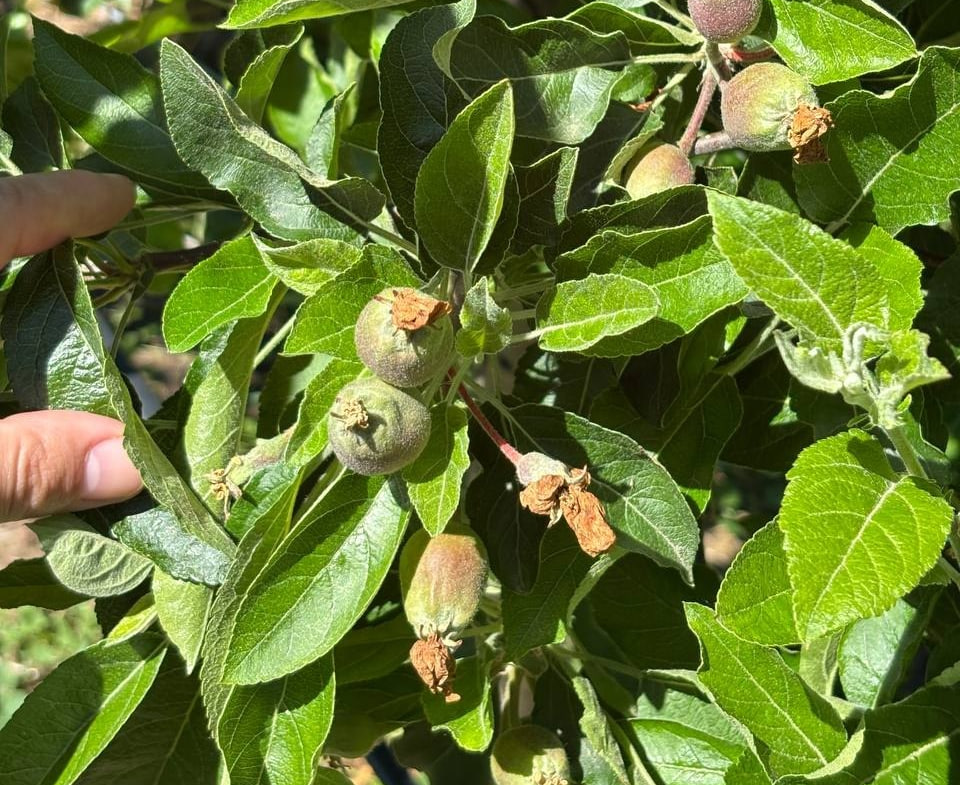
The Tashkent region's aspiration to expand cooperation with foreign countries in the agrarian sector also serves these goals. Indeed, in today's competitive environment, the sustainable development of agriculture is inextricably linked to modern technology, high-quality products, qualified specialists, and international experience. In this sense, the collaboration being established with Serbian specialists can be one of the important steps towards modernizing the agriculture of the Tashkent region, expanding intensive horticulture, increasing investment attractiveness, and boosting the export potential of the agrarian sector.
A. Musayev, UzA