Measures to enhance tax administration presented
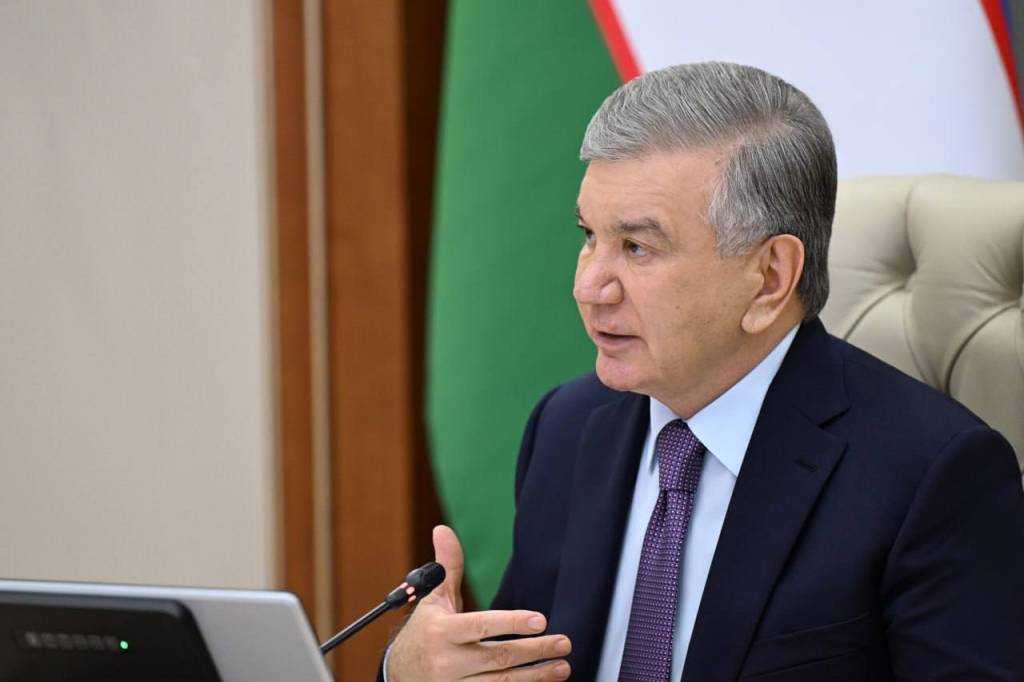
On April 6, President Shavkat Mirziyoyev reviewed a presentation on enhancing tax administration and reforming tax agency operations.
Over the past two years, due to the expansion of the tax base, revenues have grown faster than the economy. The International Monetary Fund also notes that these results are achieved through stronger tax administration and the reduction of the shadow economy. At the same time, by 2030, as a result of ongoing tax system reforms, it is planned to raise tax revenues to 491.5 trillion UZS and cut the share of the informal economy from 28 to 19.6 percent.
It was emphasized that the primary way to increase tax revenues is to reduce the shadow economy.
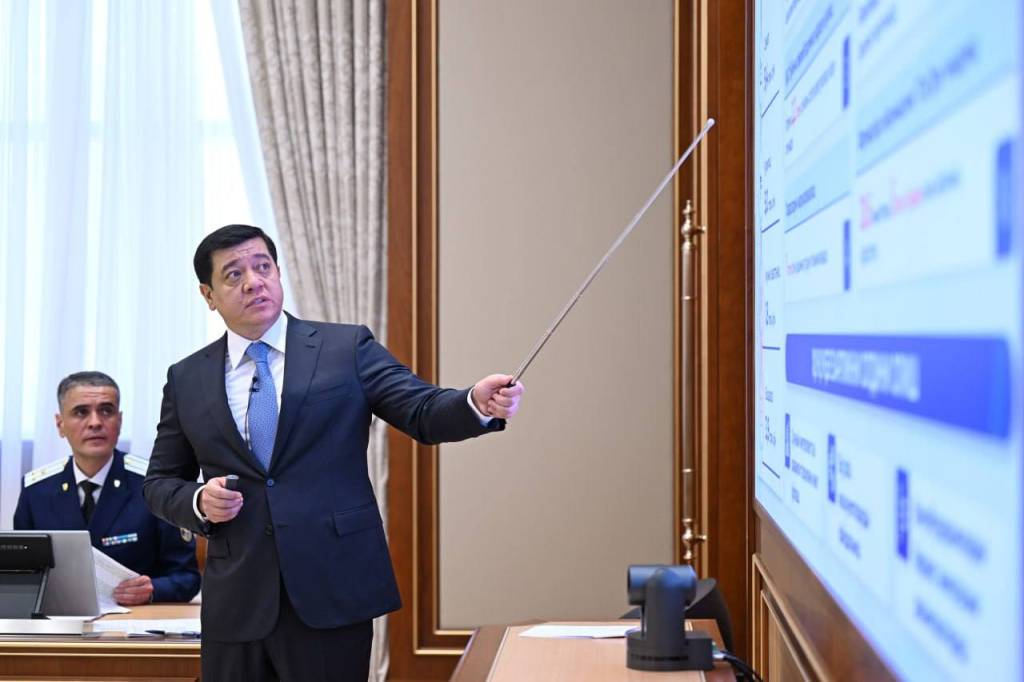
The President of the country emphasized that this year it is essential to generate an additional 30 trillion UZS in budget revenues by leveraging digital analytics, artificial intelligence, and a smart control system. This goal is anticipated to be achieved through widespread use of P2P transaction monitoring, product labeling, improved digital oversight, automatic identification of unregistered freight transport activities, legalization of informal employment, and other strategies across sectors such as trade and services, industry, construction, and public catering.
As noted, market and shopping complex activities are not yet fully regulated, and digitalization efforts remain inadequate, which prevents the full use of existing potential. Currently, more than 72,000 retail entities operate at these facilities. At the same time, over 38,000 of them report a monthly turnover of less than 1 million UZS, and more than 40,000 issue only 2-3 receipts per day. Additionally, lease agreements for 12,000 retail outlets in markets have not been registered. As a result, 37,000 entrepreneurs pay less than 500,000 UZS in taxes each month.
In this regard, the importance of mobilizing additional revenue sources through the full digitalization of market and shopping complex activities, as well as integrating control mechanisms, tax authority workflows, and digital monitoring, was stressed.
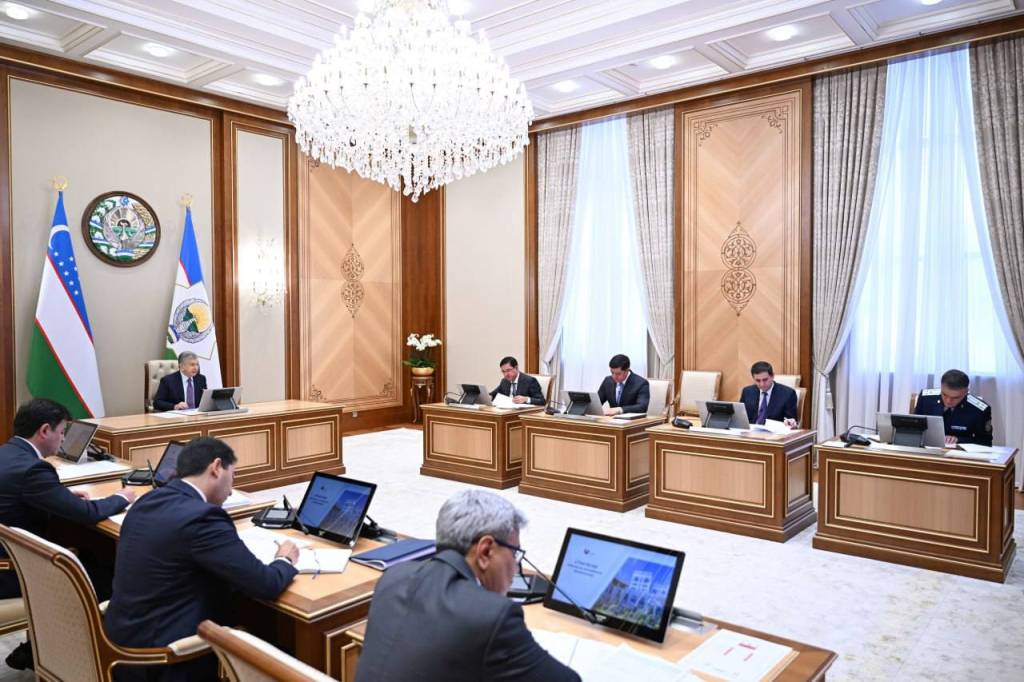
Organizing services for large taxpayers that are not classified as strategic in the regions was also discussed at the meeting.
Specifically, it was noted that due to their remoteness from tax authorities, the effectiveness of service and monitoring for 209,000 VAT payers has decreased. In this context, it was suggested to transfer tax oversight of 500 non-strategic enterprises to the regional level and more than 103,000 enterprises in agriculture, trade, and public catering to the district level. This strategy will enhance the quality of taxpayer services locally, enable the quick resolution of emerging issues, and improve the effectiveness of oversight.
Special focus was given to making tax administration easier for entrepreneurs.
Based on the survey results, most respondents showed dissatisfaction with the complexity of audit procedures, reporting, and tax payments. It was also highlighted that automated desk audits should be shifted from a punitive tool to a preventive system designed to spot and fix errors early and to classify enterprises into “green”, “yellow”, and “red” categories based on their risk level.
Additionally, progress has been reported on automating the preparation of six types of reports without human involvement and moving to a unified tax account. It was noted that, to date, reporting deadlines have been missed in 198,000 cases, 14,700 taxpayers have been fined 396.6 billion UZS for failing to submit reports, and, due to the rise in the number of tax payment accounts, 20,000 errors have occurred.
It was noted that the introduction of the new system will reduce unjustified tax arrears, overpayments, and penalties, while enabling entrepreneurs to save 8.4 trillion UZS. The new approach is expected to result in fewer audits, a significant decrease in reporting errors, faster processing of appeals, and a noticeable improvement in call center efficiency.
It was also stressed that human resources remain a crucial aspect of tax authorities’ activities.
In recent years, staff turnover has risen due to issues in work organization. There was a low level of professional growth among employees, the current financial incentive system was outdated for modern needs, and social support mechanisms were not very effective. For example, in 2022, over 3,000 employees completed advanced training, but only 700 employees received retraining last year.
In this regard, new proposals were introduced to improve staff qualifications, establish a system of continuing education, and enhance material and social incentives for employees. To strengthen human resource capacity, the Tax Committee outlined measures to enhance the Tax Academy’s physical and technical infrastructure.
The Head of State instructed responsible officials to adopt a new approach to tax administration that leverages digital technologies, analytics, and artificial intelligence, aiming to create a fair and favorable tax environment for entrepreneurs and to develop a pool of qualified specialists in this field.
Priority areas include transforming the tax system’s functions based on the principle of “from inspection to service”, enhancing service quality, and establishing modern, effective control mechanisms.
UzA