Scientific personnel training and scientific development measures discussed
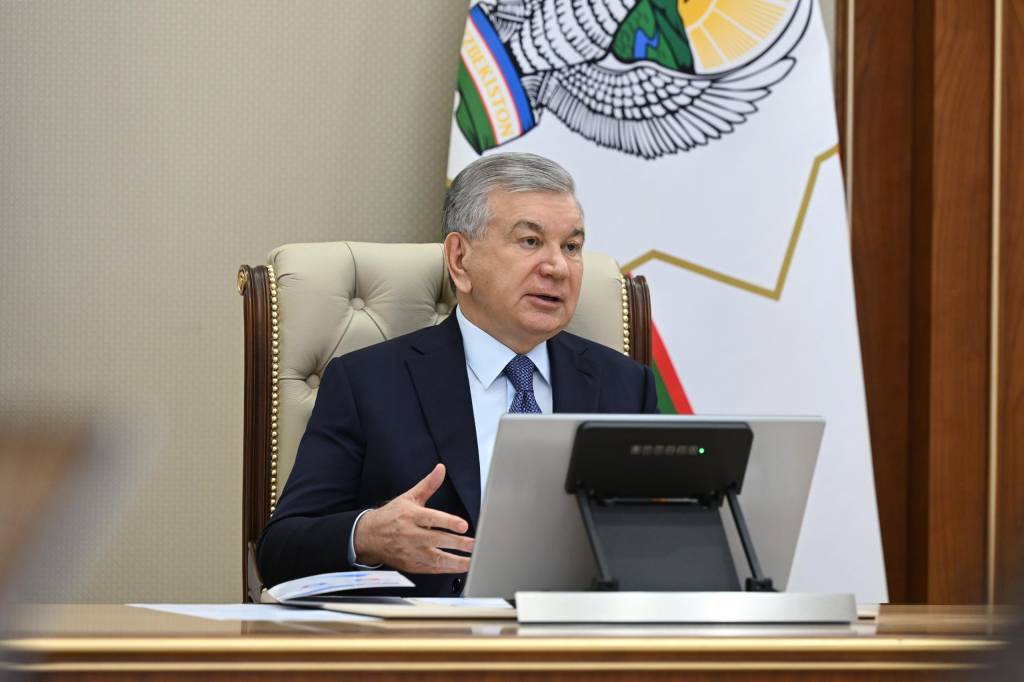
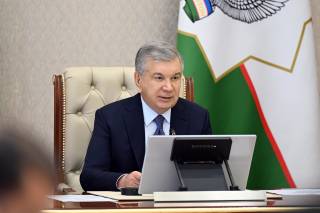
President Shavkat Mirziyoyev reviewed proposals to improve the system for training scientific personnel and to enhance the effectiveness of scientific activity.
In recent years, Uzbekistan has implemented large-scale reforms to comprehensively support science and strengthen its international competitiveness. As a result, scientific activity, the number of publications in international academic journals, and the share of research published in highly ranked journals have been steadily increasing.
At the same time, key priorities remain the further improvement of training quality for scientific personnel, strengthening the practical relevance of research, reinforcing the principles of academic integrity, and modernizing the governance system in the field to meet contemporary requirements.
In this context, measures to elevate the system for training highly qualified scientific and academic-pedagogical personnel to a new level were discussed.
Particular attention was devoted to training scientific personnel in priority areas critical to the country’s long-term scientific and technological development, including artificial intelligence, renewable energy, food security, medicine, water resources, new materials, and seismology. In this regard, proposals were put forward to introduce a new support system for researchers.
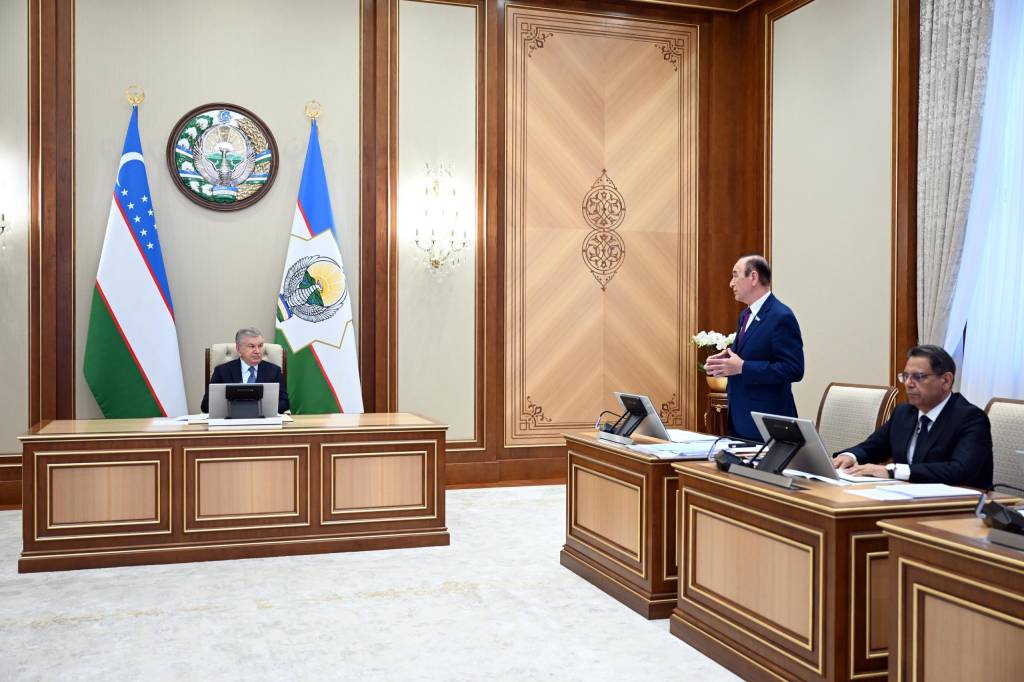
Specifically, it is planned to increase doctoral student scholarships in priority fields by 1.7 times and to allocate additional annual funding for the purchase of equipment and reagents necessary for scientific research.
Proposals were also put forward to strengthen the accountability of scientific supervisors and improve mechanisms for incentivizing their work. In particular, it is planned to introduce a system of additional rewards for supervisors of successfully defended dissertations, taking into account their international scientific activity indicators.
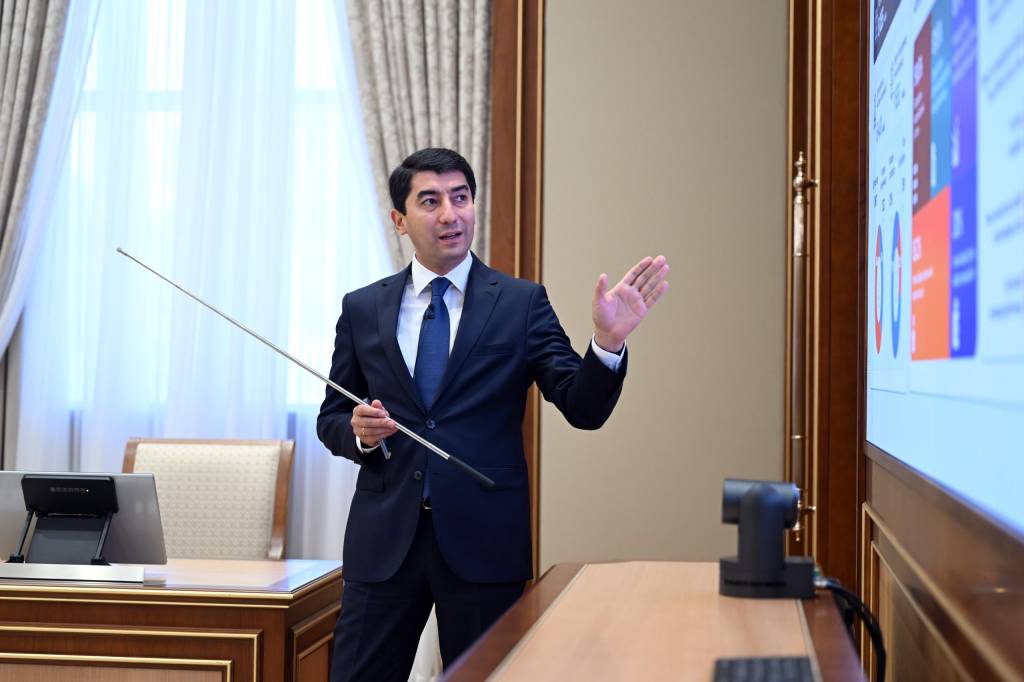
As another important area, new approaches were proposed to fundamentally enhance the activities of the Higher Attestation Commission.
These measures provide for organizing the Commission’s activities within the Academy of Sciencesэ system, increasing the accountability of scientific councils, and introducing a rating-based evaluation system for their performance.
In addition, proposals were made to reduce excessive bureaucratic procedures by fully digitizing academic degree-awarding processes. In particular, the dissertation defense procedure is expected to be shortened by 50 percent through digitalization.
Accordingly, several redundant requirements related to printing large volumes of documents, preparing extensive dissertation abstracts, and conducting repeated dissertation discussions are planned to be abolished. These measures are expected to create more convenient conditions for researchers while reducing time and financial costs.
Furthermore, to strengthen the integration of science with the real economy, proposals were made to introduce the “Project-Based Academic Degree” and “Practical Doctorate” programs, enabling researchers to obtain PhD degrees through applied scientific projects.
Under these approaches, doctoral theses will be developed based on the practical needs of industry and the economy. Scientific research will be conducted in cooperation with enterprises in the real sector, with special attention devoted to the practical implementation of research outcomes.
Proposals to improve the system for financing and selecting scientific projects were also considered.
It is planned to engage international experts in this process, introduce a project evaluation system based on modern digital technologies, and improve the transparency and efficiency of scientific research funding.
At the same time, the rapid growth of scientific activity requires further strengthening of research quality-control mechanisms, adherence to the principles of academic integrity, and enhancement of internal scientific oversight tools.
In this regard, proposals were put forward to introduce a unified digital system to monitor researchersэ scientific activities, improve scientific ethics standards, and establish effective mechanisms to ensure research quality.
The discussion also focused on expanding cooperation with experienced compatriot scholars working abroad.
In particular, it was proposed to establish a Scientific Advisory Council to develop recommendations to advance the scientific sector, drawing on international experience, strengthen the culture of scientific research, and improve modern methodological standards.
The Head of State emphasized the importance of thoroughly refining the proposed initiatives, improving the scientific sphere and the system for training scientific personnel in accordance with modern requirements, and enhancing the quality of scientific research.
Relevant officials were given appropriate instructions.
UzA