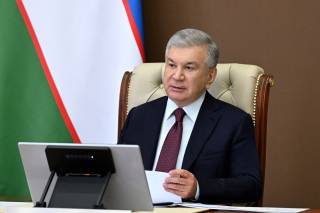
Uzbekistan and Azerbaijan: 30 years of friendship, trust, and new opportunities
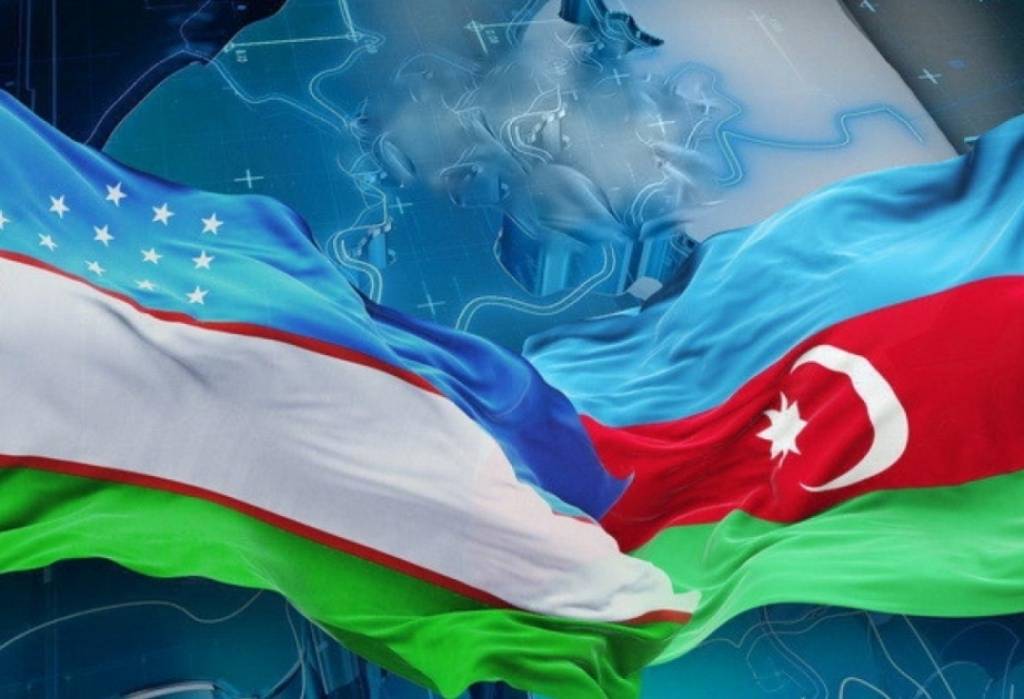
Thirty years is a major milestone in diplomacy. But in the history of relations between Uzbekistan and Azerbaijan, the anniversary is less an occasion to look back than a chance to see how far the two countries have come. Today, ties between Tashkent and Baku rest not only on shared history, language and culture, but also on broad economic cooperation, investment, transport projects, energy partnerships and new humanitarian initiatives.
Uzbekistan and Azerbaijan established diplomatic relations on October 2, 1995. Over the past decades, cooperation has grown from traditional friendship and mutual interest into a strategic partnership and, later, an allied relationship. In 1997, the two countries signed a declaration on further developing comprehensive cooperation and partnership. This was followed in 2004 by a declaration to strengthen their strategic partnership. Bilateral relations gained fresh momentum in 2022, when the countries signed a declaration on deepening their strategic partnership and expanding comprehensive cooperation.
August 23, 2024, holds a special place in the modern history of bilateral relations. On that day, the President of Uzbekistan Shavkat Mirziyoyev and the President of Azerbaijan Ilham Aliyev signed the Treaty on Allied Relations.
The economy is one of the most dynamic areas of bilateral cooperation. In 2025, trade turnover reached $307.3 million, up 14.6 percent from the previous year. Uzbekistan’s exports totaled $227.3 million, while imports from Azerbaijan totaled around $80 million.
In 2023, the Azerbaijan – Uzbekistan Joint Investment Company was established with an authorized capital of $500 million. Its activities focus on financing promising projects and expanding investment cooperation. In July 2025, the leaders of the two countries reported that the portfolio of joint projects had reached $4 billion and that the number of joint ventures had approached 300.
Transport cooperation is also becoming increasingly important for both countries. Uzbekistan’s and Azerbaijan’s geographic locations enable them to serve as key links in the emerging network connecting Central Asia, the Caspian region, the Caucasus, and Europe. This is why attention is growing on the Trans-Caspian International Transport Route, also known as the Middle Corridor. In 2025, Uzbek cargo transported via the Middle Corridor increased by 25 percent, exceeding 1 million tons. Since March of that year, electronic permits have been introduced for freight transportation.
Energy is emerging as another important area of cooperation. On November 13, 2024, on the sidelines of COP29 in Baku, Uzbekistan, Azerbaijan and Kazakhstan signed an agreement establishing a strategic partnership for the development and transmission of green energy.
Cooperation is also gradually expanding at the regional level. Partnership has been established between cities in the two countries: Namangan and Mingachevir, Gulistan and Fuzuli, Termez and Bilasuvar, Jizzakh and Guba, and Shakhrisabz and Beylagan.
In 2024, the two sides approved a roadmap for cultural and humanitarian cooperation for 2024-2026 and an action plan for tourism.
In August 2026, the leaders of the two countries took another significant step by signing the Treaty on Eternal Friendship.
For Uzbekistan, Azerbaijan is becoming an important partner in the Caucasus and a key link in expanding transport and economic ties with European markets. For Azerbaijan, Uzbekistan is a major partner in Central Asia, with a large market, strong industrial potential, and favorable prospects for regional cooperation. Thirty years ago, Tashkent and Baku took their first diplomatic step toward each other. Today, they have forged an alliance based not only on shared history and culture but also on concrete interests and joint projects.
These relations span three decades, but all indications suggest that the most interesting chapter is still ahead.
Aziza Alimova, UzA