Quality education is the foundation of a strong society.
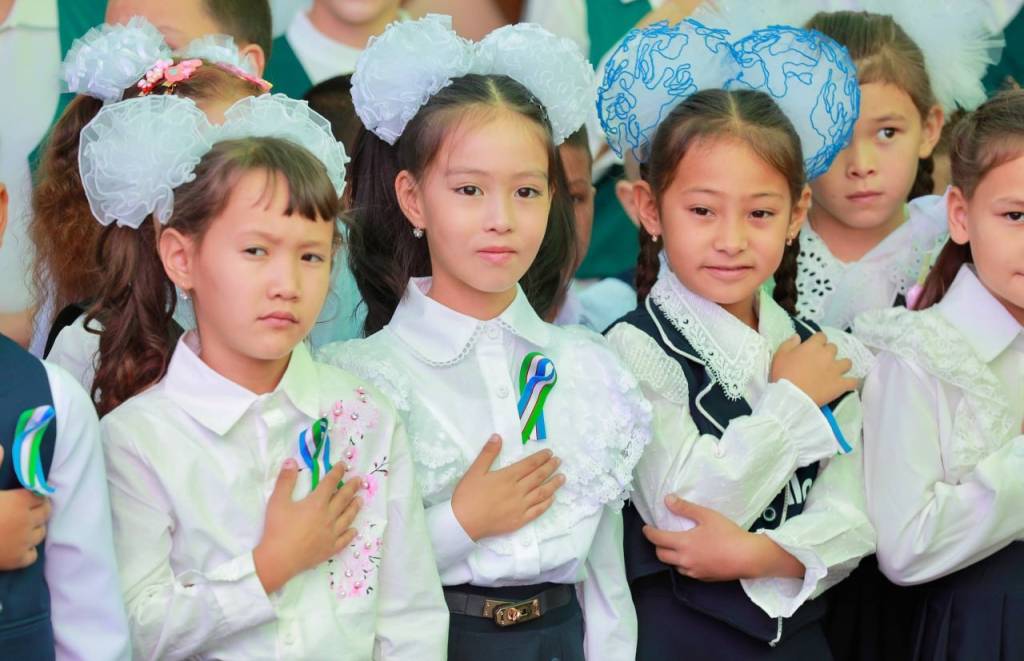
In recent years, developing the education sector, modernizing it in line with contemporary demands, and nurturing a well-rounded generation have become key priorities of state policy. Notably, reforms in this area have reached a new stage, finding their practical expression in the quality of education, the status of teachers, school infrastructure, and the opportunities being created for youth.
The effectiveness of these processes is clearly evident in the example of the Tashkent region. Specifically, over the past decade, funds allocated to the region's education sector have increased 6.2-fold, reaching 31.5 trillion soums. This has made it possible to strengthen the material and technical resources of educational institutions, establish new ones, and create the necessary conditions for quality education.
While the number of preschool educational organizations in the region was 441 in 2016, today this figure has reached 2,433. The preschool enrollment rate has increased from 27.2 percent to 73.9 percent. In the new academic year, 61,706 students were admitted to the 1st grade. This is 24,324 more than the number of graduating students and 4,305 more than last year's admissions.
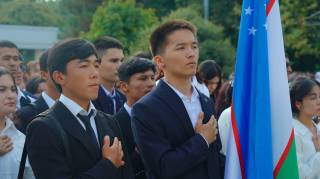
An important criterion for the quality of education is, of course, the results achieved by graduates. Last academic year, 37,382 students completed the 11th grade in the region. Of these, 811 were awarded gold medals and 175 were awarded silver medals. The fact that another 1,789 graduates gained early university admission indicates the continually rising knowledge and potential of our youth.
Notably, 13 graduates from the region's public schools became students at foreign universities ranked among the world's TOP 100. This result shows that the education provided in our schools is adapting to the international competitive environment.
Another important direction of the reforms is ensuring equal opportunities in education. To create the necessary conditions for children with disabilities, a barrier-free environment has been established in 54 out of 294 schools, and 412 inclusive classes and 150 correctional rooms have been organized. This creates an important opportunity for home-schooled children to receive an education alongside their peers and integrate into the community.
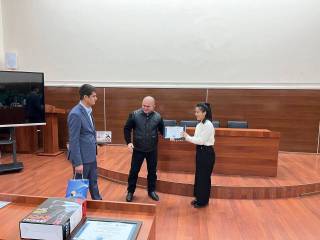
The quality of education is determined, first and foremost, by the capacity of the educators. For this reason, greater attention has been paid to motivating teachers and properly valuing their work. While in 2017 there were 15 types of bonuses and supplements paid to teaching staff in addition to their salary, today that number exceeds 40.
Of course, these results represent milestones that have been achieved. However, there are still many tasks ahead in the field of education. After all, today's school is not just a place where knowledge is imparted. It is a vital center of enlightenment and upbringing where the younger generation develops independent thinking, creative abilities, personal qualities, patriotism, and the skills necessary to take their rightful place in the modern world.
From this perspective, the primary goal of educational reforms is not limited to numbers or the quantity of new institutions. The most important outcome is to raise a young generation that has received a quality education, thinks independently, strives for a profession and knowledge, and feels a sense of responsibility for the country's development.
Today's achievements must serve as a solid foundation for tomorrow's tasks. We have no right to stand still in education. Because quality education is the most important guarantee of a strong society, an educated generation, and a prosperous future.
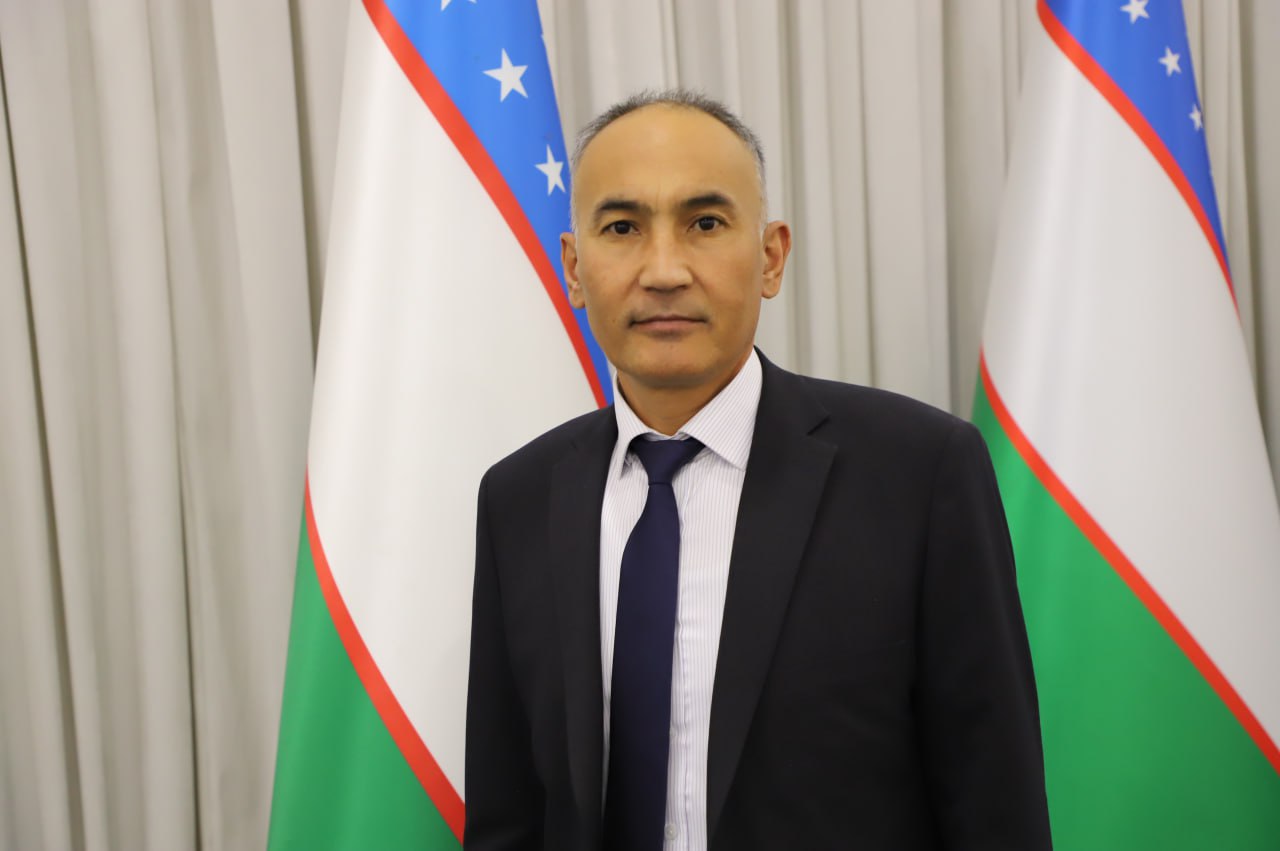
Sherzod Mamatkulov,
Deputy of the Tashkent Regional
Council of People's Deputies,
UzA