Promising projects for the development of the chemical industry presented
Industrial modernization, the production of high-value-added products, and the expansion of export potential are among the priority areas of economic development.
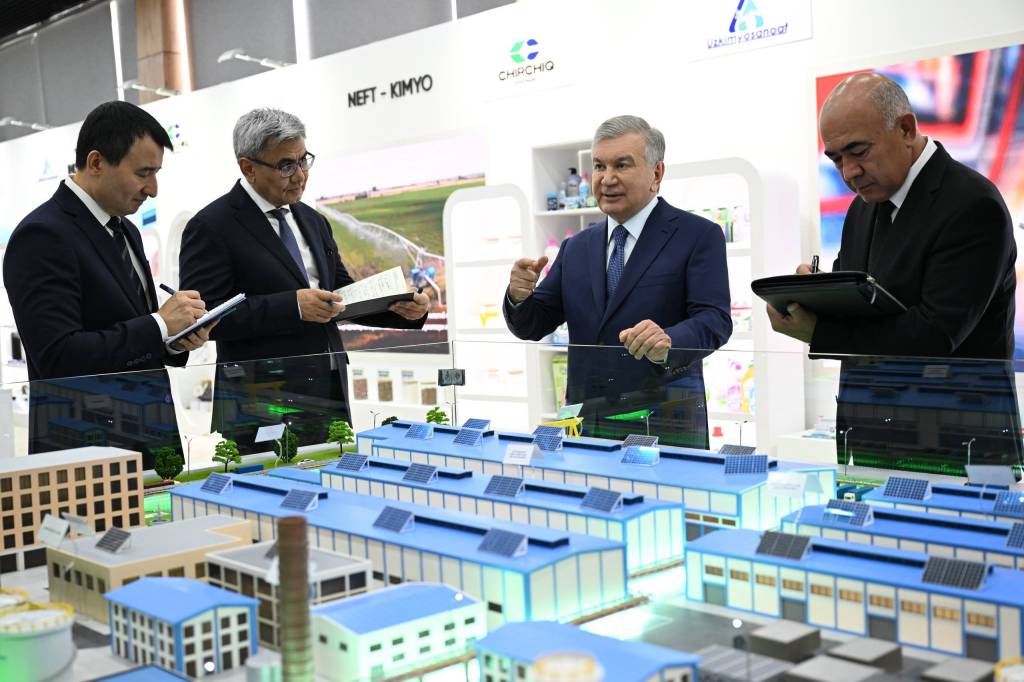
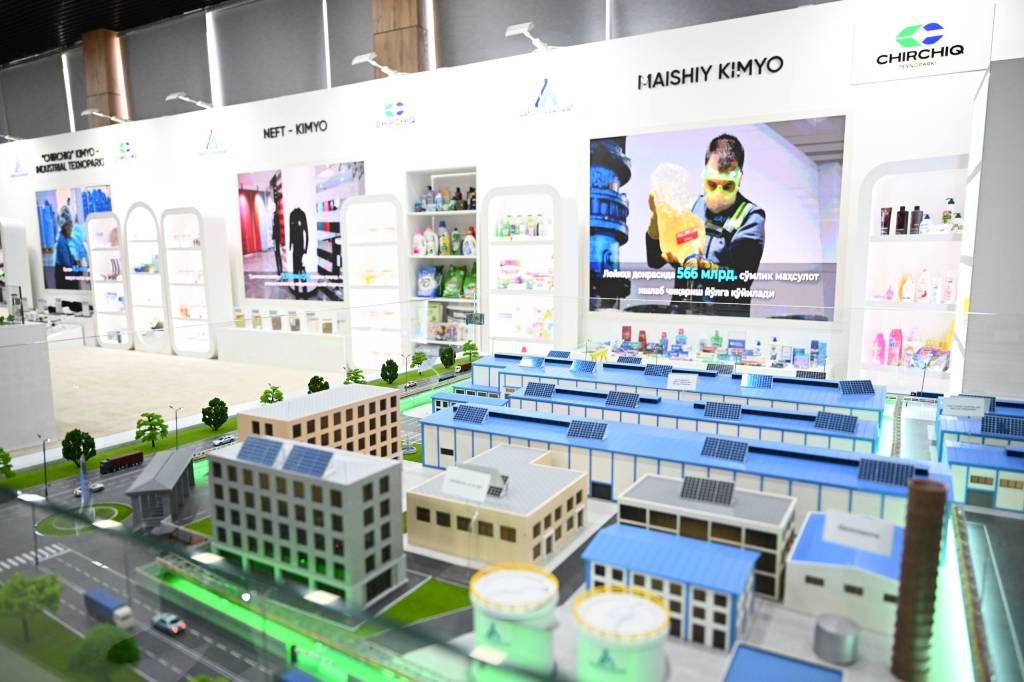
The Chirchiq Chemical Industrial Technopark, created to implement these tasks, has today become one of the new-generation industrial sites.
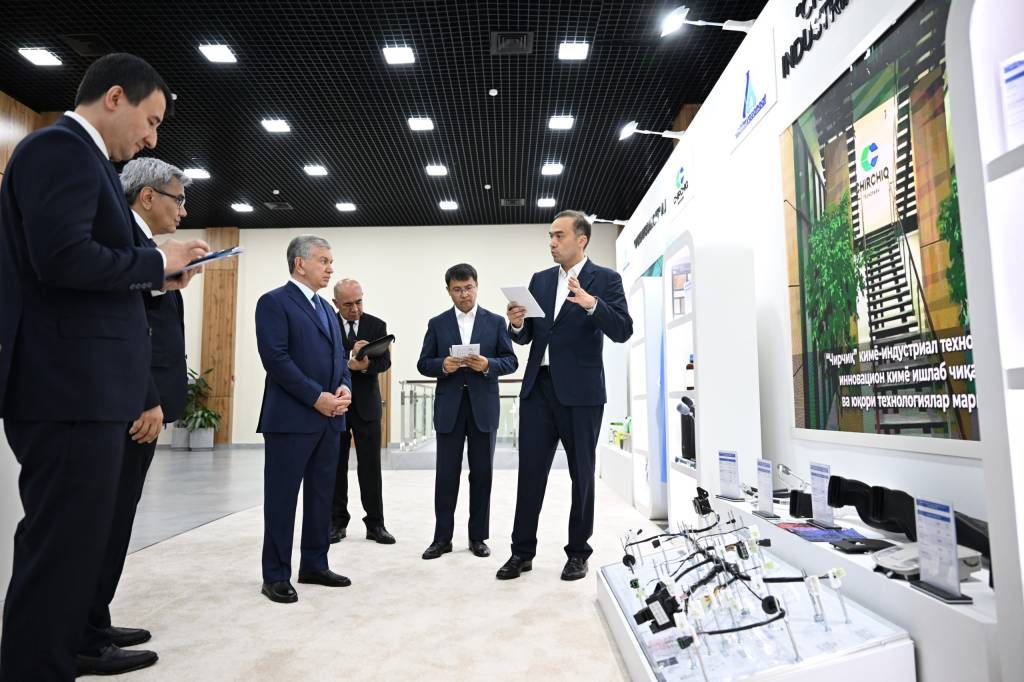
This technopark, established as part of the implementation of the relevant resolution of the Head of State of February 3, 2022, is tasked with deep processing of chemical products, the introduction of advanced technologies, and the creation of favorable conditions for domestic and foreign investors. A total of $25 million has been allocated to develop engineering and communication networks and modern infrastructure on its 26.4-hectare site.
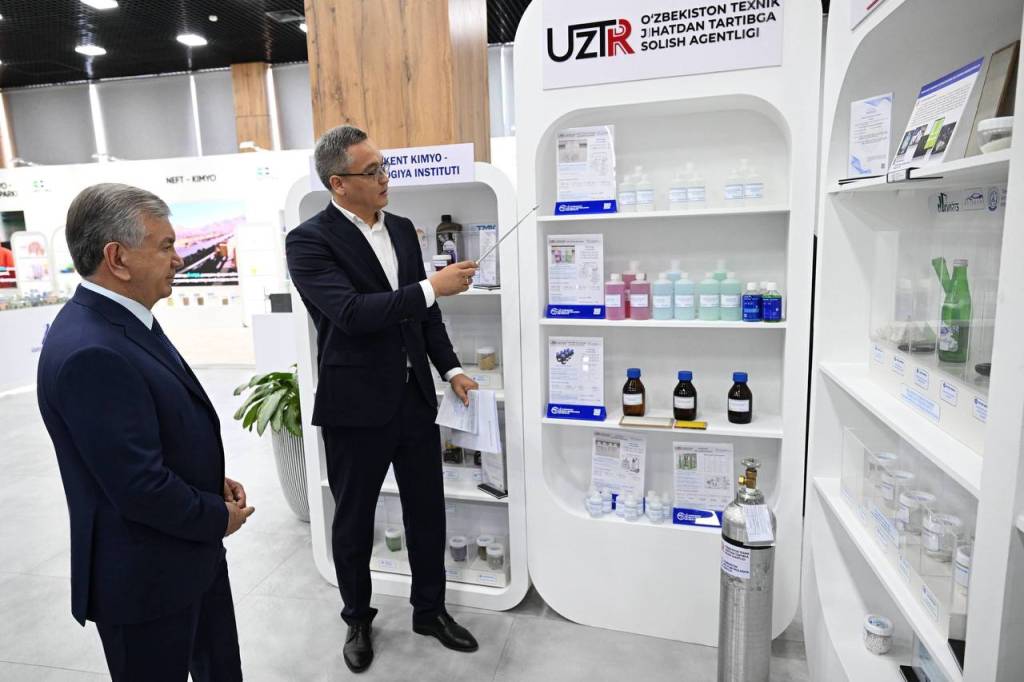
The investment attractiveness of the technopark is reflected in specific figures. In particular, in 2025, $56 million in investments were deployed, and 758 new jobs were created. During the year, the enterprises produced more than 150 product types worth $60 million.
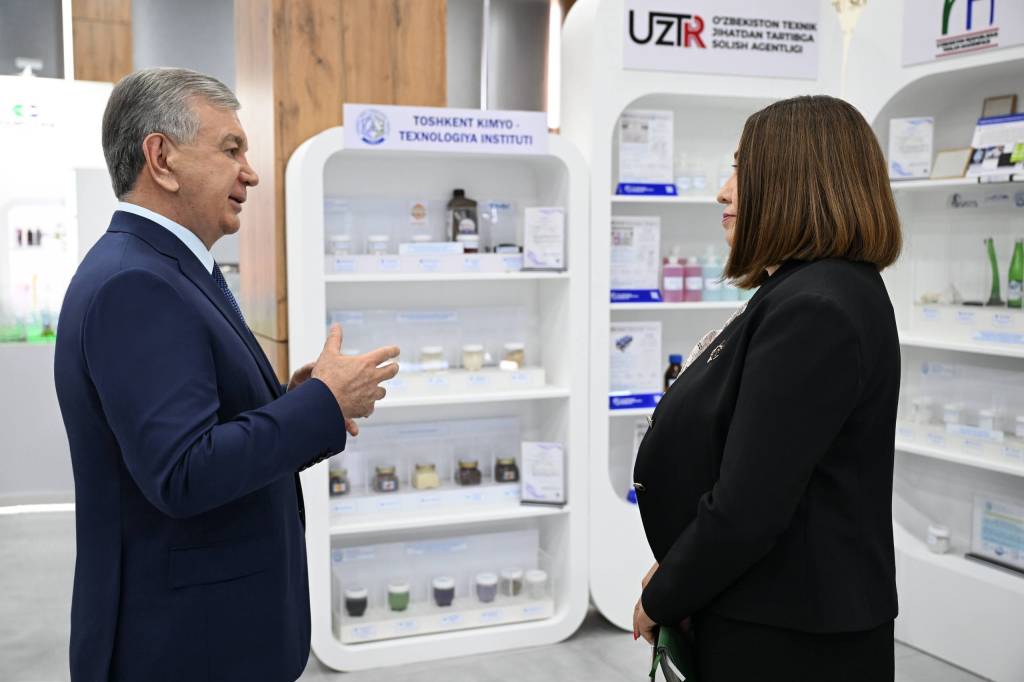
The plans for the future are also large-scale. By 2030, it is planned to increase investment volume to $207 million, marketable goods production to $294 million, exports to $48 million, and the number of jobs to 2,300.
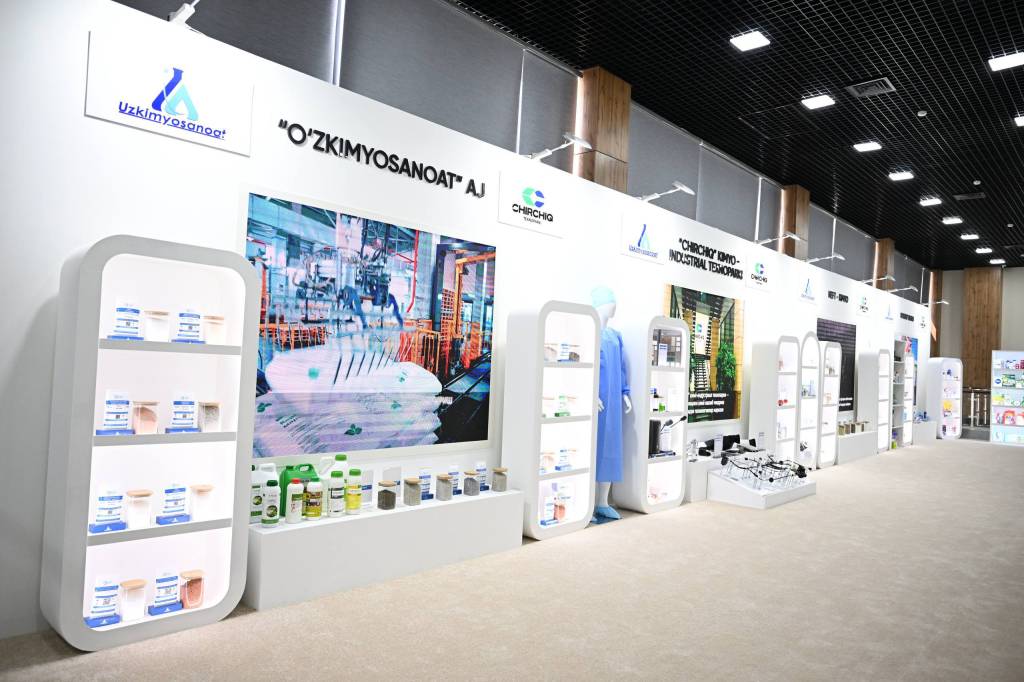
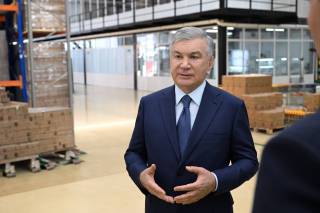
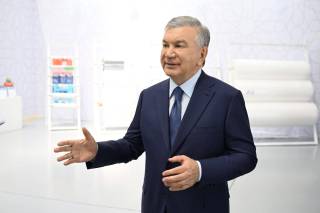
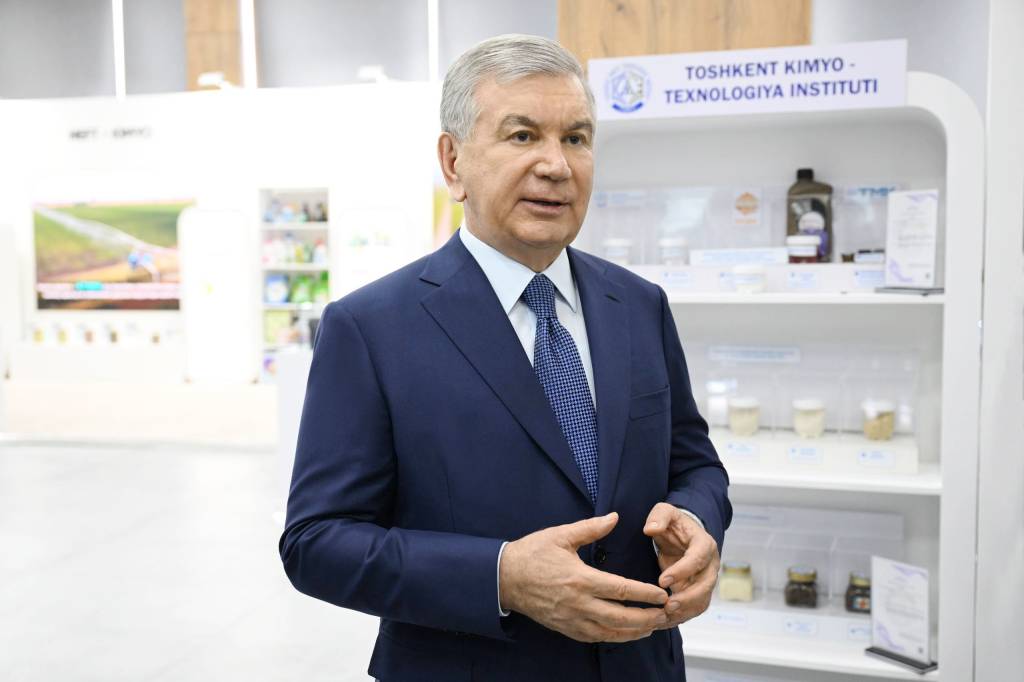
Here, President Shavkat Mirziyoyev was also presented with a presentation on the technopark’s activities, and on scientific and practical projects aimed at developing the chemical industry.
Today, the production of mineral fertilizers plays an important role in ensuring the sustainability of the agricultural sector. Despite producing 3.7 million tons of fertilizer per year, the sector still faces demand for imported phosphate and water-soluble fertilizers, necessitating further industry modernization. In this regard, investment projects worth $2.8 billion have been developed.
Domestic demand for polymers in the petrochemical sector is growing. According to forecasts, this demand will reach 3.2 million tons by 2032. The implementation of major projects, such as producing olefins from coal in Angren and refining oil in Kungrad, will enable full domestic production and eliminate imports.
Systematic work is also underway in the field of household chemicals. Through the implementation of investment projects, it is planned to halve imports, increase the share of domestic consumption covered by locally produced goods to 64 percent, and increase export indicators.
UzA