Tasks set for accelerated development of the chemical industry
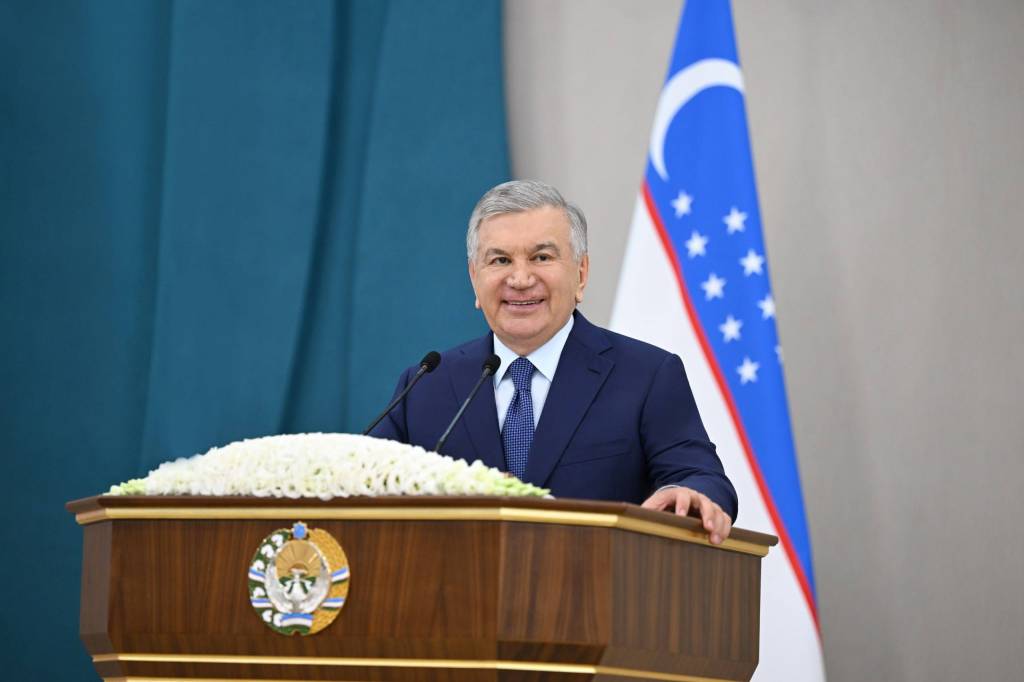
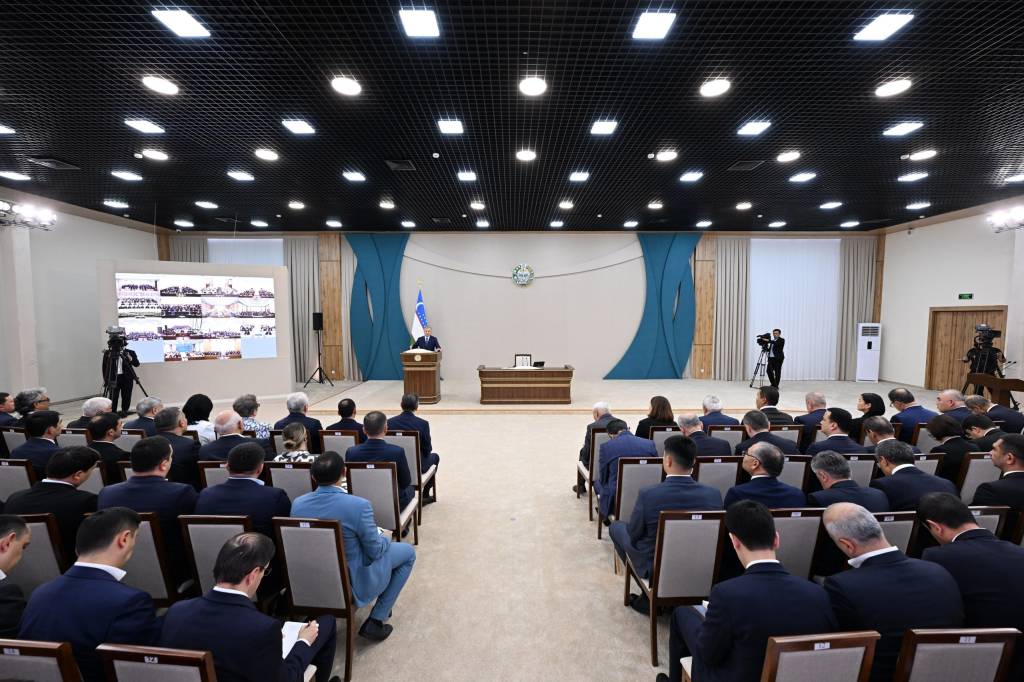
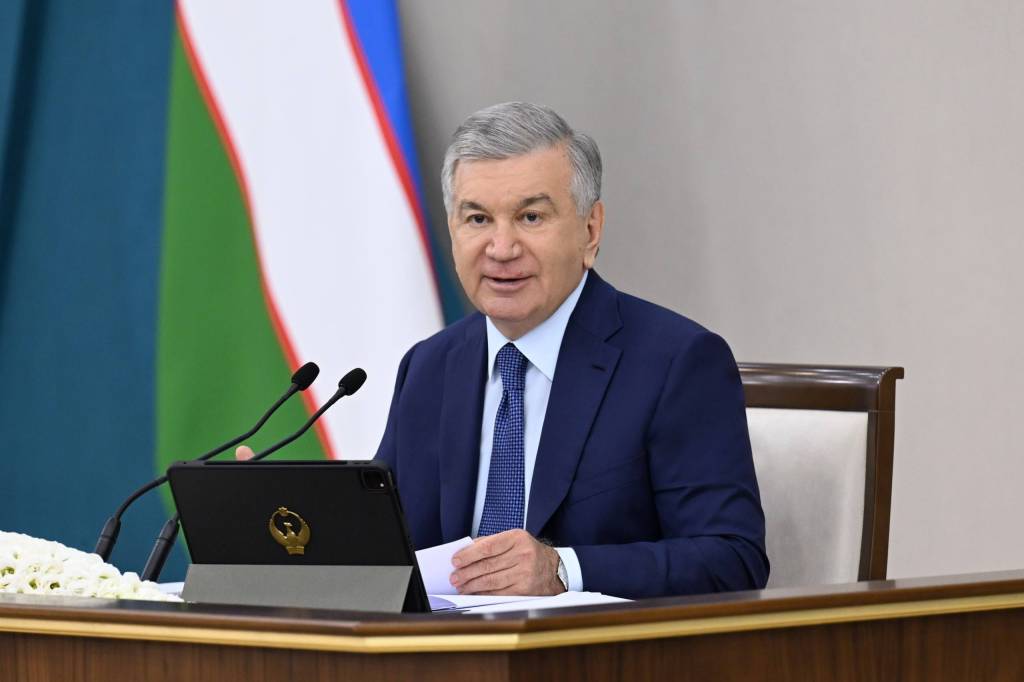
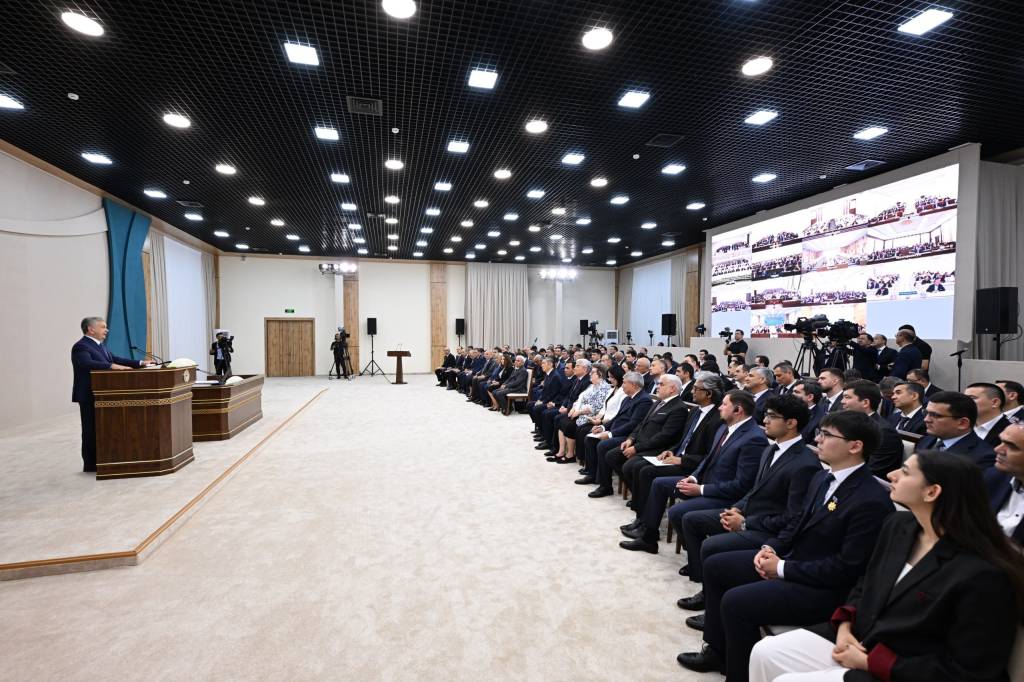
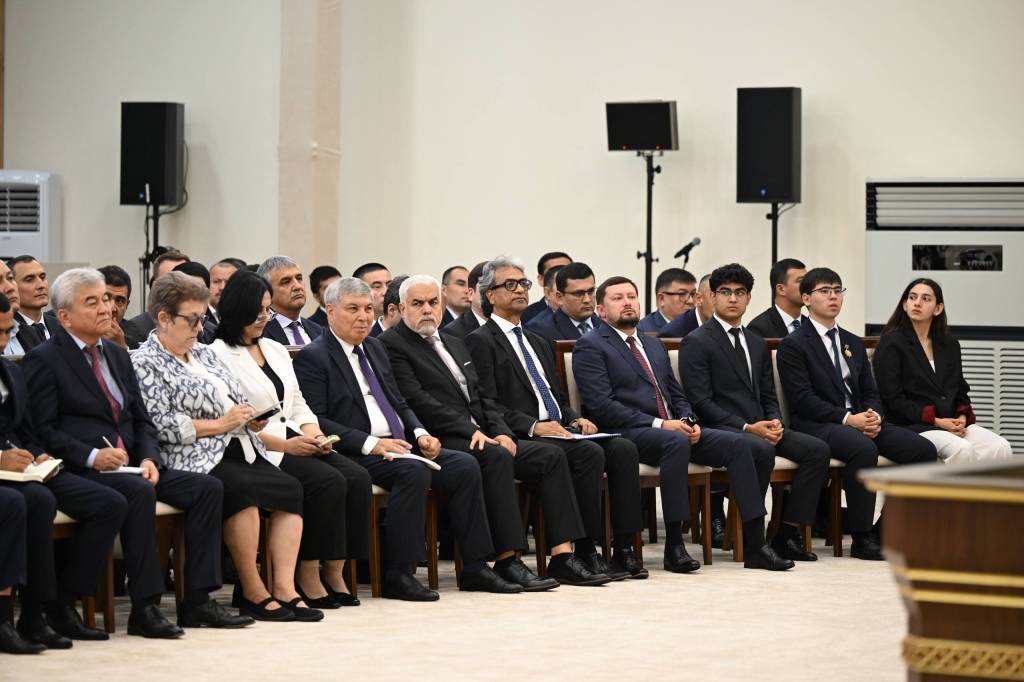
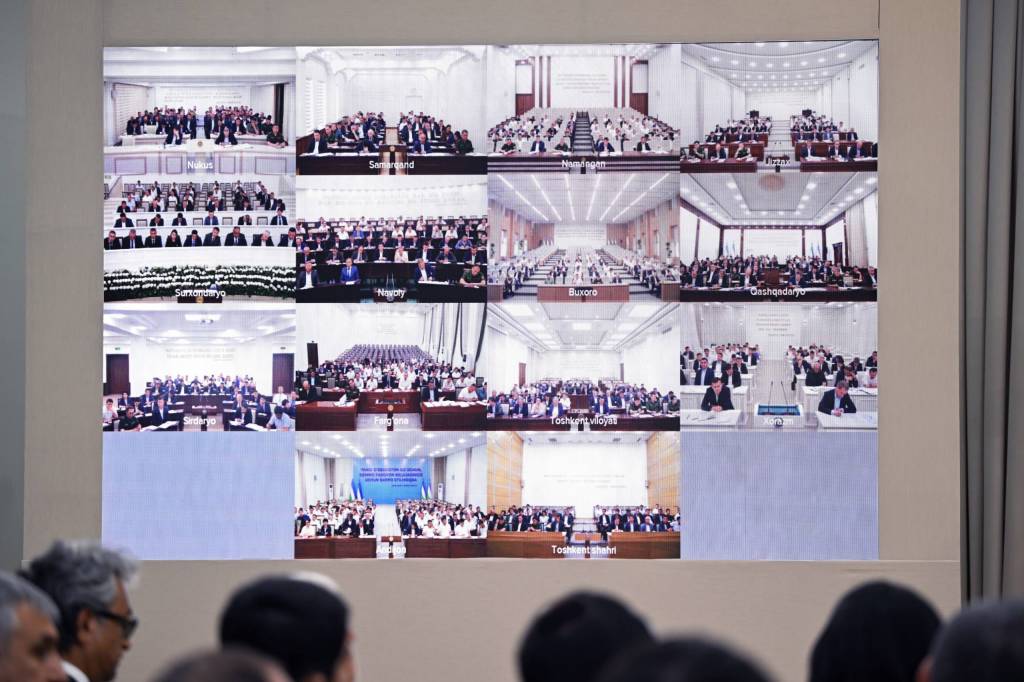
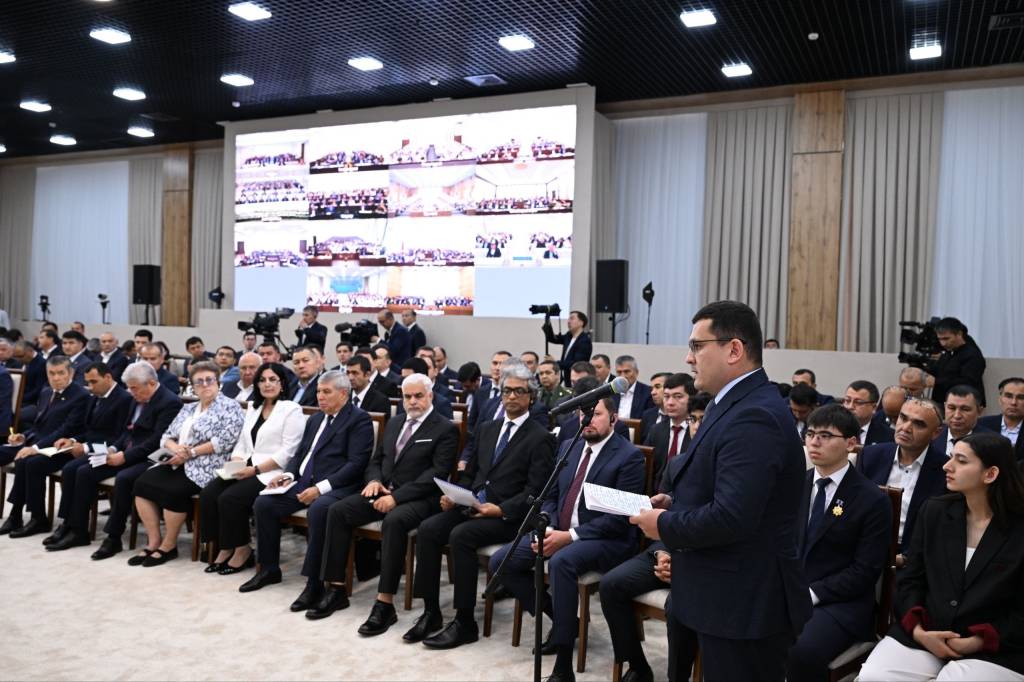
On June 2, President Shavkat Mirziyoyev chaired a videoconference to address tasks related to accelerating the development of the chemical industry and implementing investment projects in the regions.
It was noted that the country’s economy is developing dynamically, and in recent years, production of 3,000 new product types has been launched across industrial sectors.
Just 9-10 years ago, the country’s chemical industry was mainly represented by the production of mineral fertilizers. In recent years, $8.3 billion in investment has been attracted to the industry, and 87 major production facilities have been commissioned.
Production has begun for more than 60 new high-value-added products, including PVC, green hydrogen, expanded polypropylene, and BOPP film. This has created the necessary raw material base for producing thousands of new product types across various sectors of the economy.
As a result, the industry’s exports increased threefold, and the number of employees exceeded 50,000.
At the same time, it was noted that the industry still has significant untapped potential. Over the past nine years, the country’s industry grew by an average of 6.3 percent, while the chemical industry grew by less than 3 percent. Imports of chemical products increased fourfold to $4.5 billion a year.
It was noted that the joint-stock company Uzkimyosanoat focuses on large enterprises within its structure, while there is virtually no systematic work with more than 5,000 enterprises in the industry, and their problems and proposals are not being studied.
At the meeting, special attention was given to changing the production structure, increasing added value, and reducing energy costs.
The country produces 1.5 million tons of ammonium nitrate annually and consumes 1.07 billion cubic meters of gas. At the same time, advanced countries are reducing nitrate consumption by switching, in agriculture, to urea and water-soluble fertilizers, and, in the mining industry, to porous nitrate.
It was noted that in the production of porous nitrate, which has the same cost price as ammonium nitrate, added value doubles. It was emphasized that responsible officials and heads of chemical enterprises should seriously consider expanding such projects.
It was also noted that when producing glue from cyanide salts manufactured at Navoiazot at $3,700 per ton, the product’s value could increase to $8,000. Responsible officials were instructed to begin implementing 10 low-tonnage chemical projects, with a total value of $1 billion, on the cluster’s territory adjacent to Navoiazot.
It was emphasized that added value can also be increased many times over by fully utilizing existing geological reserves.
Karakalpakstan, Surkhandarya, Kashkadarya and Navoi regions have 550 million tons of sodium and potassium reserves, as well as 20 million tons of bentonite. With deep processing of this raw material and the production of caustic soda, added value can increase threefold.
The identified reserves of serpentinite in Jizzakh region and Karakalpakstan amount to 1.5 million and 500,000 tons, respectively. Processing it with sulfuric acid can yield magnesium oxide worth up to $5,000 per ton. Further deep processing of serpentinite will create opportunities to obtain nickel, chromium, and cobalt, which are important raw materials for the electrical engineering industry.
Responsible officials were instructed to develop and begin implementing a three-year program to double the reserves of raw materials needed for the chemical industry, including phosphorite, halite, mirabilite, and serpentinite. In the field of serpentinite processing, the task was to launch projects worth at least $200 million.
Every year, household chemicals valued at $300 million are imported into the country. The market for these products in the region is estimated at $2 billion.
For example, an entrepreneur in the Angren Free Economic Zone established cooperation with the well-known global company Henkel. At present, the enterprise has been acquired by this concern. It is planned to supply local products to the countries of the Commonwealth.
To expand such projects, land plots will be allocated in one of the capital’s industrial zones to implement initiatives in the household chemicals sector. $50 million will be allocated for this purpose, on the condition that the commissioned enterprises will be sold, together with the brand, as a ready-made profitable business to the private sector.
For similar projects in other regions, $15 million will be allocated from the Industrial Cooperation Fund. Overall, responsible officials were instructed to develop a program to launch at least 100 new branded products in the household chemicals sector.
The meeting also analyzed the opportunities in the mineral fertilizers market.
Global demand for mineral fertilizers is growing by 5 percent annually and is expected to exceed $260 billion by 2030. Amid the introduction of new agricultural technologies, demand for water-soluble fertilizers is growing particularly rapidly.
Responsible officials and hokims were tasked with implementing 42 projects totaling $2.8 billion over the next three years. As a result, by 2030, production of nitrogen fertilizers is planned to increase from 2.8 million tons to 4 million tons, phosphate fertilizers from 400,000 tons to 900,000 tons, and water-soluble fertilizers from 100,000 tons to 400,000 tons.
It was noted that the implementation of major projects in the fields of water-soluble fertilizers, polymers, household and inorganic chemicals will lead to growing demand for specialists in modern areas such as nanochemistry, green chemistry, supramolecular chemistry, and chemical modeling based on artificial intelligence.
In this regard, a decision was made to create an integrated system in the chemical industry that covers education, scientific research, laboratories, and startups.
To this end, an innovative scientific, production, and educational cluster for the chemical industry will be established on a 60-hectare site in Mirzo Ulugbek district. The Chemical Technology Innovation Center will be built within this cluster in collaboration with South Korea. The center will reimburse half of the costs associated with experimental work.
Overall, instructions were given to develop and begin implementing a program to launch more than 350 projects worth $17 billion in the chemical industry.
The Head of State emphasized that to achieve these ambitious goals, the industry must be managed using scientifically grounded, modern approaches. In this regard, responsible officials were instructed to transform the joint-stock company Uzkimyosanoat.
During the meeting, reports from responsible officials and regional heads were heard, and a dialogue was held with the heads of industry enterprises.
UzA