Forum of Central Asian parliaments evolving into a platform for coordinating positions
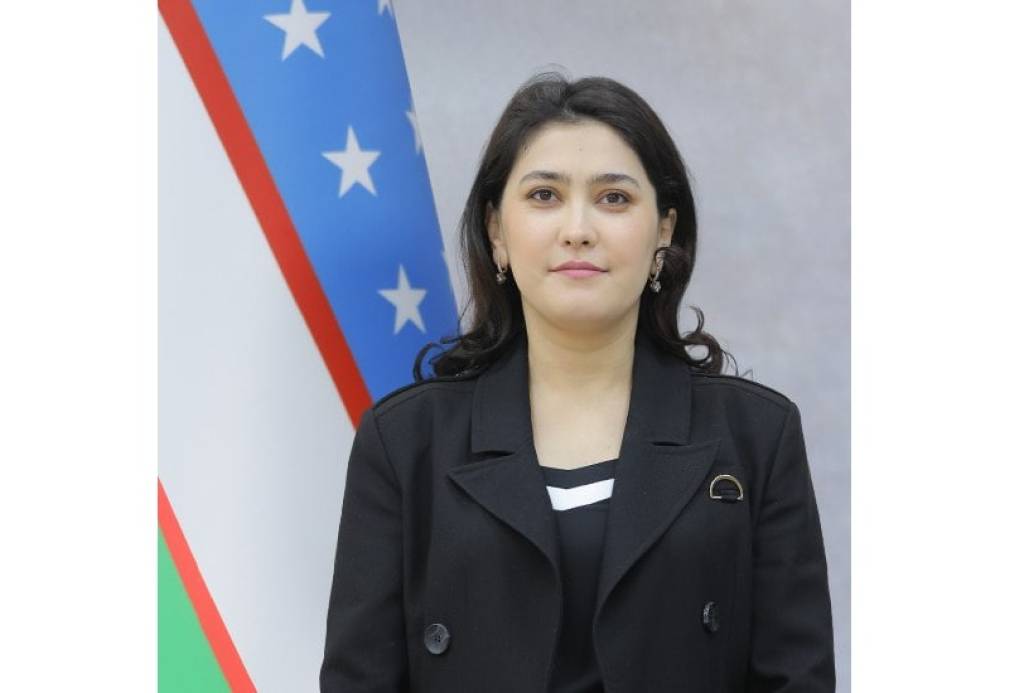
– The recent international scientific and practical conference “Independent Uzbekistan – 35 Years of Development: Reforms, Results and Prospects”, held in Tashkent, attracted significant attention. The Forum of Central Asian Parliaments is serving as a platform where participants coordinate their views on regional issues, including transport connectivity, energy, economic cooperation, and legislative harmonization, says Dildora Kamalova, deputy of the Legislative Chamber of the Oliy Majlis. Participants acknowledged that over the last decade, Uzbekistan has evolved into a nation marked by democratic reforms, robust economic growth, and systemic transformations.
Statistics highlighted achievements in the socio-economic sphere, enhancing people’s well-being, tackling environmental issues, and addressing urgent contemporary challenges. Much of the discussion centered on the legal aspect of these changes, as sustainable reforms require a strong legal framework. The constitutional principle of “the individual – society – the state” has become ingrained as a fundamental norm. The current key task is to translate this principle into practical action through effective law enforcement.
Participants believe parliament’s role extends beyond merely passing laws. Effective parliamentarism is characterized by the quality of the legislative process, oversight functions, engagement with civil society, and transparency. A core principle highlighted is that laws should be evaluated by their real-world effects on people’s lives, the business climate, and the quality of public services, rather than by their formal adherence to procedures.
Parliamentary diplomacy was a key focus of the conference. Over the last decade, Uzbekistan has actively engaged with the international parliamentary community. The country is a member of the Inter-Parliamentary Union, the OSCE Parliamentary Assembly, the CIS Interparliamentary Assembly, the Asian Parliamentary Assembly, and the Forum of Central Asian Parliaments. In April 2025, Tashkent hosted the 150th Assembly of the Inter-Parliamentary Union, marking Uzbekistan’s recognition as a full participant in global parliamentary discussions.
The Central Asian Parliaments Forum is a growing but established platform: its first meeting took place in Turkistan in 2023, followed by Khiva in 2024, and Bishkek in 2025. It serves as a venue for parliamentarians to coordinate their views on regional issues. In September, Samarkand will host the 12th IPU Global Conference of Young Parliamentarians, focusing on human rights, justice, and dignity. Notably, in December 2022, following President Shavkat Mirziyoyev’s initiative, the UN General Assembly adopted the resolution “Enhancing the role of parliaments in accelerating the achievement of the Sustainable Development Goals”. Nearly four years later, a new resolution titled “Enhancing the role of parliaments in accelerating the achievement of the Sustainable Development Goals” was also adopted.
The conference ended with the approval of the Tashkent Declaration, which was supported by parliamentarians from eight nations and representatives of international organizations. The declaration outlines a structured approach for cooperation across several key sectors, including peace and security, economy and trade, digital transformation, environmental concerns, humanitarian efforts, and the parliamentary aspect. Thirty-five years may be brief in a nation’s history, but for a country that has transitioned from post-Soviet beginnings to becoming a notable regional player with a bold development agenda, it marks a major accomplishment.
The Tashkent conference and its concluding declaration show that Uzbekistan is setting an agenda and encouraging colleagues and partners to participate in constructive dialogue.
Interviewed by Lira Shafique, UzA