Issues of improving the efficiency of the Migration Agency discussed
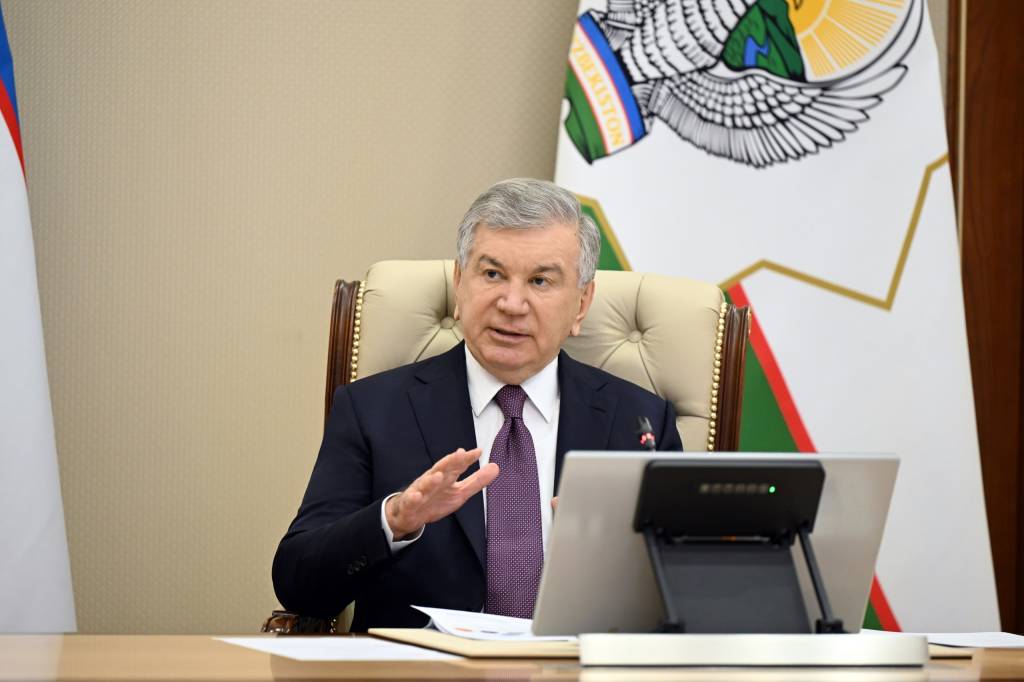
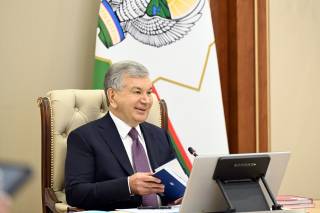
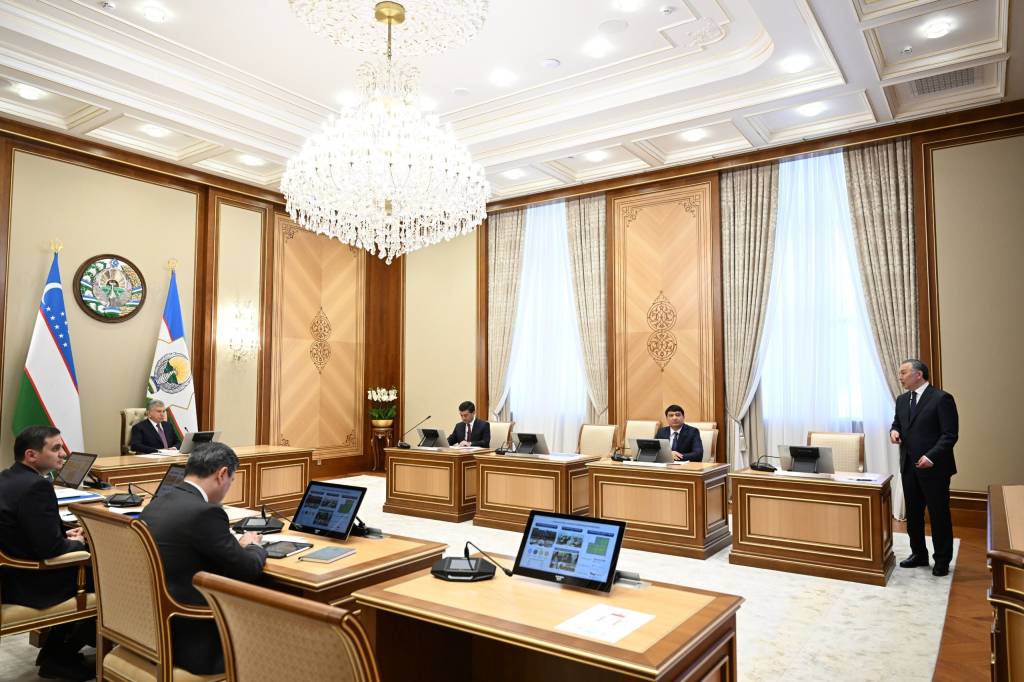
President Shavkat Mirziyoyev reviewed a presentation outlining measures to organize orderly external labor migration, prepare citizens for high-paying jobs, and ensure their comprehensive protection abroad.
Currently, our compatriots work in nearly 40 countries worldwide, and 1.2 million citizens are employed abroad. In developed countries in Europe and East Asia, the demand for qualified labor is growing every year. In addition, the European Commission’s new migration strategy until 2030 places special emphasis on implementing migration programs with Central Asian countries, workforce training, and preventing illegal migration.
In this regard, expanding the geographic scope of external labor migration, primarily through access to high-income markets, has been identified as a priority.
Currently, requests have been received from foreign countries for more than 100,000 qualified specialists who meet language and professional requirements. In particular, Germany requires 40,000 nurses, while Japan needs 15,000 specialists in construction, logistics, and services.
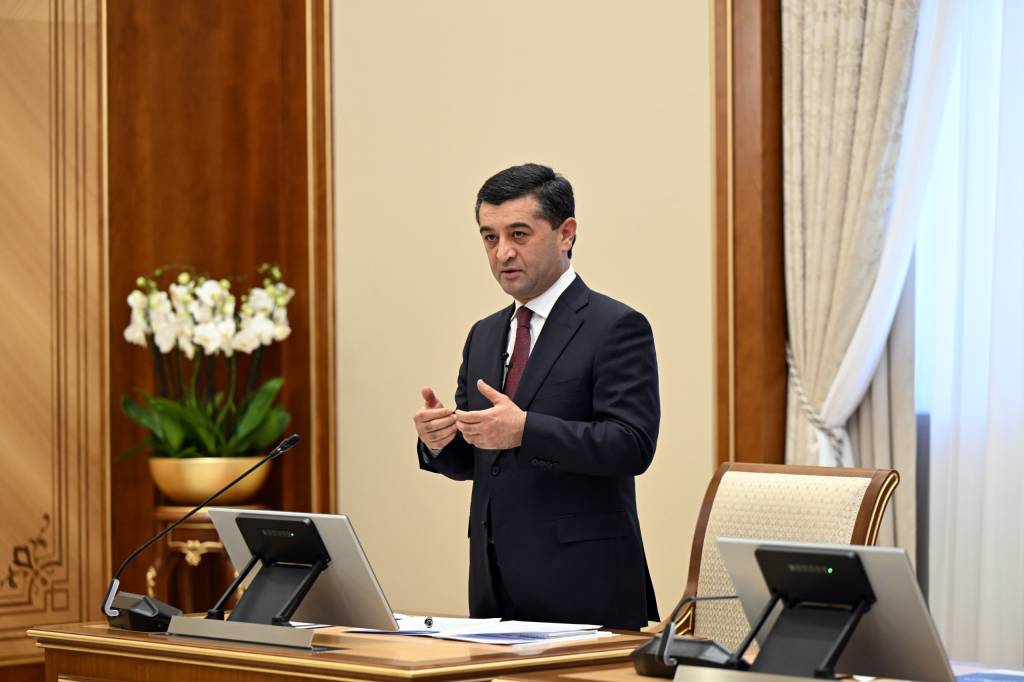
Joint training programs implemented at technical colleges in cooperation with companies from Germany, the Republic of Korea, and Japan play an important role in meeting these needs. Within 12 such projects, implemented with foreign companies under the “profession plus language” principle, 8,500 citizens are being trained. Already, 3,000 graduates have been employed.
It is now planned to increase the number of such projects to 20 and to expand training in in-demand modern professions and foreign languages by 50 percent, bringing total coverage to more than 10,000 people. In particular, in Tashkent, a targeted training center is planned, with facilities for training in 12 in-demand professions and 7 foreign languages, for conducting examinations for the issuance of 6 types of certificates, and a campus with 600 places.
In addition, specialized training courses will be organized at medical technical colleges in Andijan, Samarkand, Fergana, and Tashkent to prepare nurses for international language and professional skills examinations. At the same time, measures will be taken to expand centers for training and assessing the qualifications of construction-sector specialists – concrete workers, formwork specialists, reinforcement workers, and welders.
As part of improving regional infrastructure, it was proposed to establish unified migration centers and local driving training hubs.
The need to expand seasonal employment areas was also noted. Based on 12 new international agreements signed in the agricultural and tourism sectors, an instruction was given to develop cooperation in seasonal employment with countries such as the United States, the United Kingdom, France, Spain, Italy, Türkiye, and the Republic of Korea.
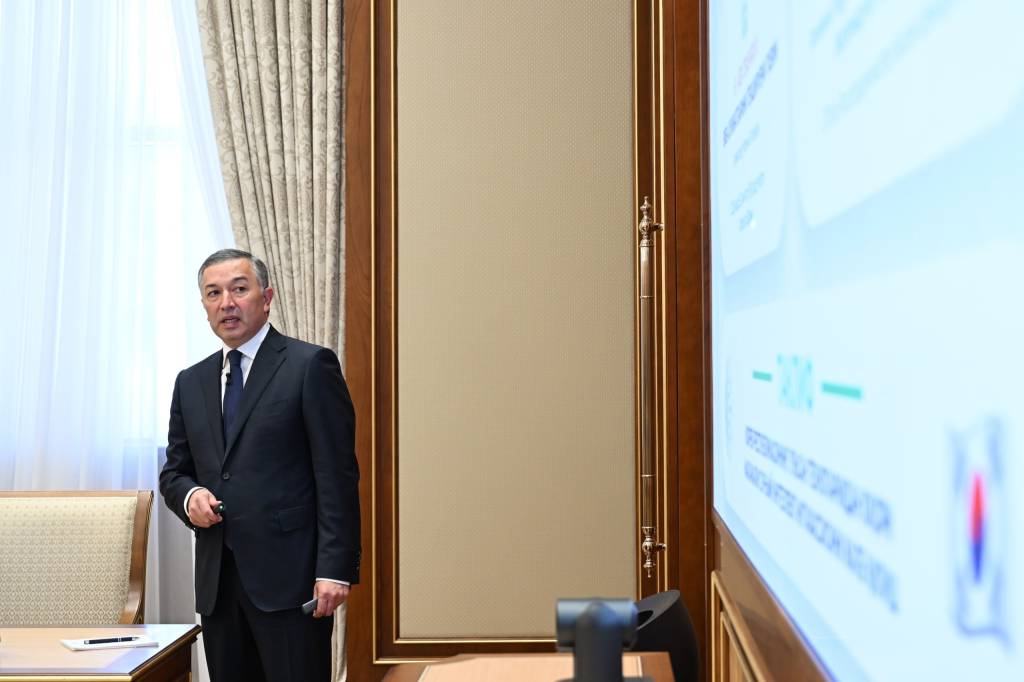
During the presentation, new financial mechanisms for organizing orderly migration were also discussed. In particular, it was proposed to introduce a procedure to compensate 50 percent of the costs of learning foreign languages and to fully cover the costs of professional qualification exams, with funds to be provided directly to citizens rather than to training centers. A new mechanism for incentivizing foreign employers and recruiting companies for each worker employed abroad was also considered.
Special attention was also paid to creating additional convenience and simplifying processes for both employers and citizens through further improvement of the “Work Abroad” migration platform and the introduction of artificial intelligence technologies.
The Head of State emphasized that the activities of the Migration Agency should not be limited to external labor migration but should also contribute to supplying the domestic labor market with qualified personnel.
Along with involving citizens in legal and safe labor activity abroad, issues of protecting their rights and interests were also discussed. The need for continuous monitoring of their health, living, and working conditions was emphasized. For these purposes, support services have been established in 37 countries. 48,000 citizens have received social assistance, 17,000 have received legal assistance, and 6,000 have received material support.
At the same time, the need was noted to regulate cases of employment without permits by foreign citizens and stateless persons temporarily registered in the country. The importance of establishing interagency cooperation, analyzing and forecasting illegal migration, legalizing informal employment, and explaining national values and rules of stay in the country was emphasized.
Approving the presented proposals, the President of Uzbekistan gave instructions to responsible officials to organize external labor migration in accordance with modern requirements and to widely introduce digital solutions in this field.
UzA