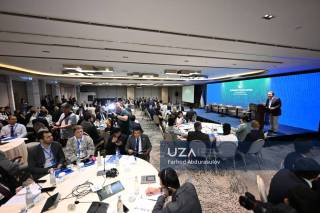
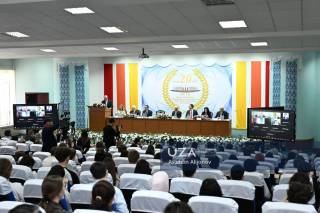
Uzbekistan – Germany Forum on Dual and Vocational Education
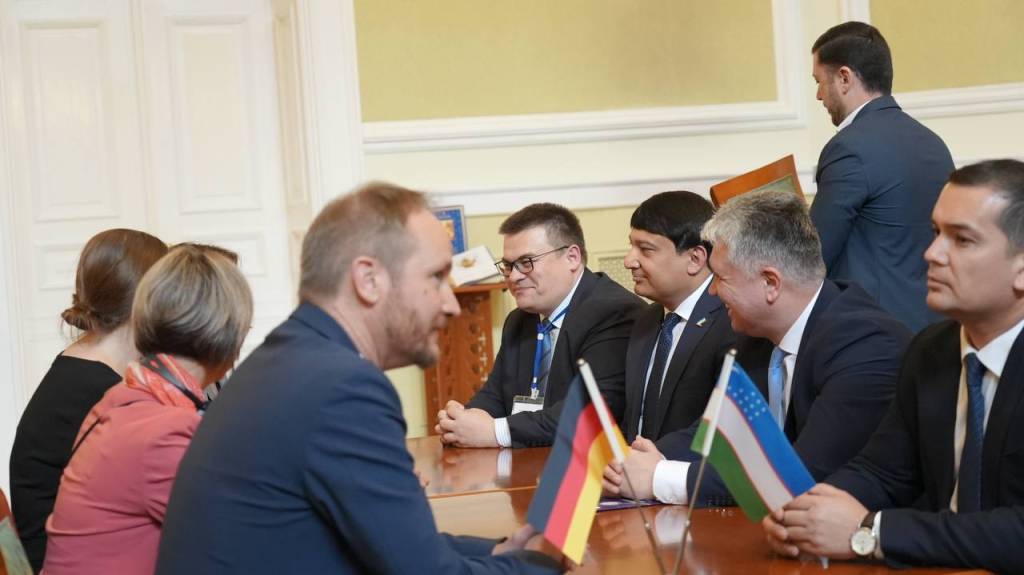
The international event “Uzbekistan – Germany Forum on Dual and Vocational Education – Competitive and Qualified Personnel” was held in Berlin.
It was organized by the Embassy of Uzbekistan in Germany in cooperation with the Agency for Vocational Education under the Ministry of Higher Education, Science and Innovation, and the German Agency for International Cooperation (GIZ).
The opening ceremony of the forum was attended by the Ambassador Extraordinary and Plenipotentiary of Uzbekistan to Germany Dilshod Akhatov, Director of the Agency for Vocational Education Azimjon Khusanov, Minister of the federal state of Thuringia Katharina Schenk, as well as a representative of the Federal Ministry for Economic Cooperation and Development of Germany, Dr. Carolina Probst, and more than 200 delegates, including representatives of major German employer companies, chambers of commerce and industry, education experts, and international organizations.
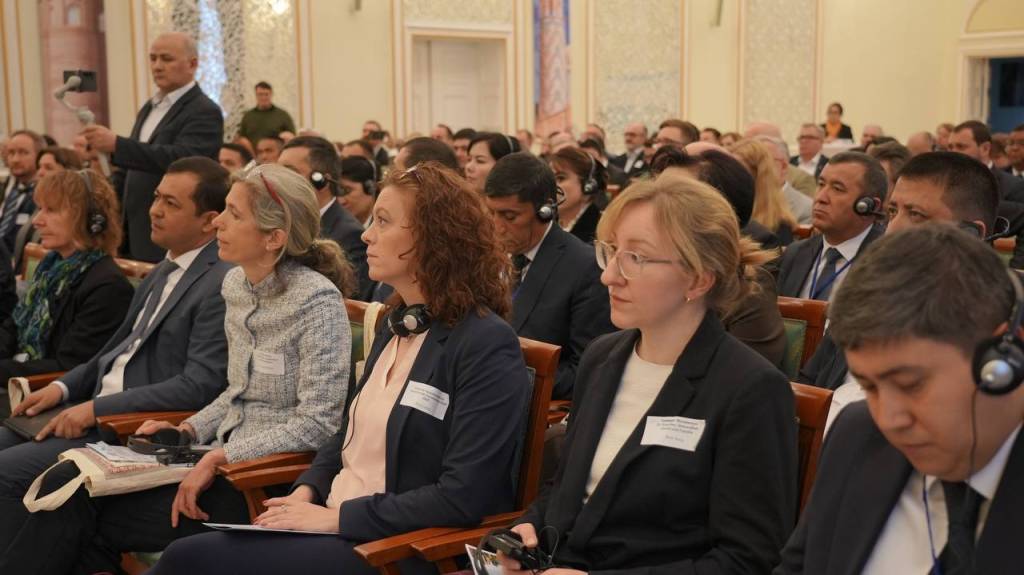
Participants discussed issues related to the modernization of the vocational education system and the systematization of migration processes. Particular attention was paid to the development of the dual education system in Uzbekistan, based on German experience, the introduction of international joint programs and language proficiency standards (telc, ÖSD), and the expansion of opportunities for legal, structured, and guaranteed employment of Uzbek youth in Germany.
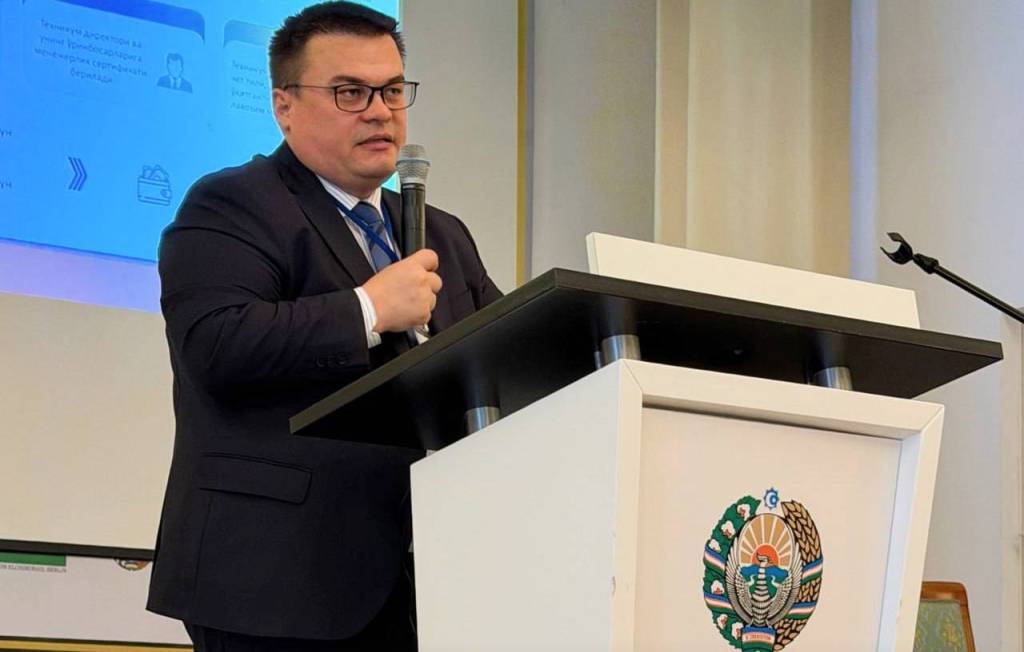
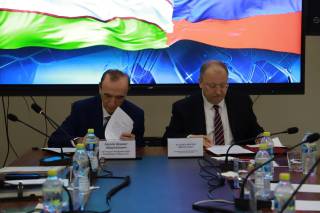
One of the key practical outcomes of the forum was the signing of 14 cooperation agreements by the Agency for Vocational Education with leading German organizations. Direct contacts were established between educational institutions and vocational colleges across all regions of Uzbekistan and their German partners.
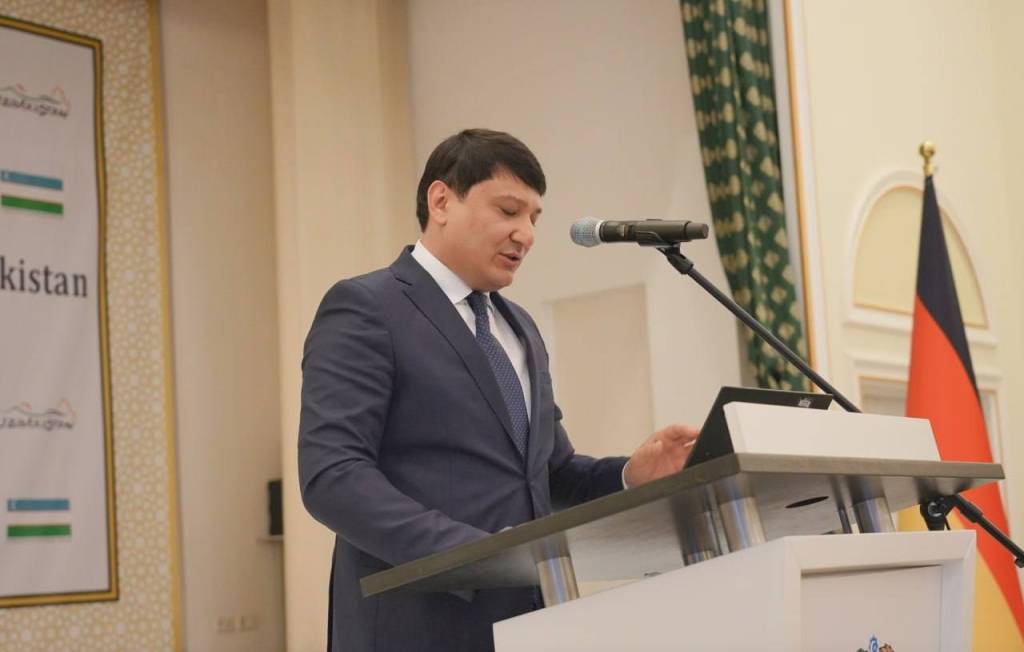
As part of the national reception held after the event, German employers and official representatives were able to become more familiar with our national cuisine and the rich cultural heritage of our people. This, in turn, contributes to strengthening not only economic but also humanitarian ties between the two countries.
Dildora Dusmatova, UzA