Uzbekistan and Kyrgyzstan: Strategic partnership as a driver of Central Asia’s development
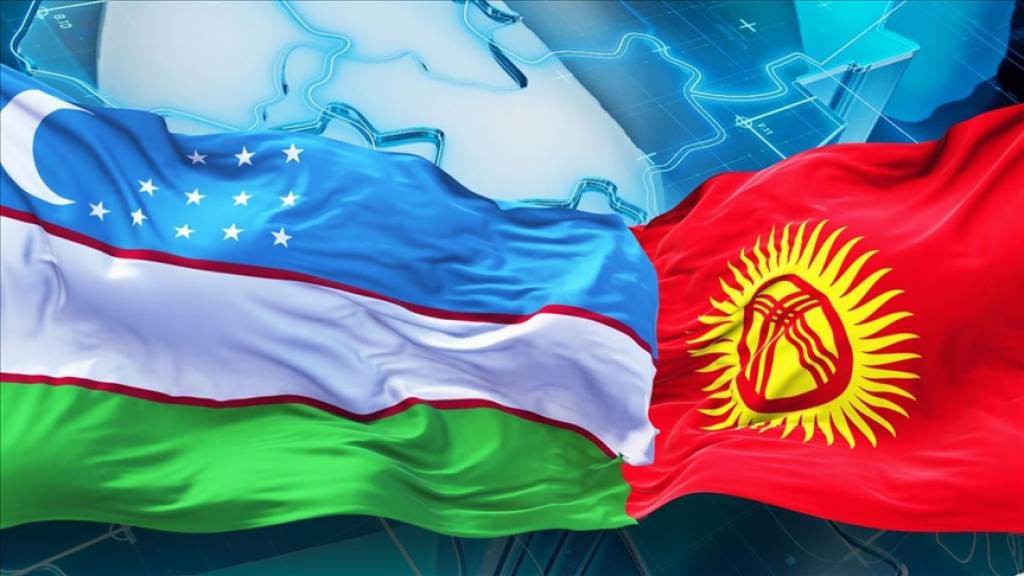
Relations between the Republic of Uzbekistan and the Kyrgyz Republic remain a key factor in stability and development throughout Central Asia.
A shared historical destiny, cultural closeness of the peoples, close economic ties, and geographic interdependence have formed a solid foundation for a gradual transition from a complex and contradictory stage of interaction to the establishment of a strategic partnership and sustainable regional cooperation.
Diplomatic relations between the two states were established on 16 February 1993, marking the beginning of a bilateral legal framework, the opening of embassies, and the development of a systematic political dialogue. One of the fundamental documents was the Treaty of Eternal Friendship, signed on 24 December 1996, which enshrined the principles of good-neighborliness, mutual respect for sovereignty and territorial integrity, and the development of cooperation in all spheres.
By the beginning of the 21st century, the countries had concluded more than 200 agreements covering political, economic, cultural, and humanitarian spheres. During that period, interaction was largely pragmatic and was maintained, in particular, within regional structures such as the Commonwealth of Independent States and the Shanghai Cooperation Organization, where both countries advocated strengthening regional security and combating transnational crime, extremism, and other threats to stability.
A qualitative shift in relations occurred after 2016, when Uzbekistan intensified its foreign policy and made the development of ties with neighboring states a priority. In September 2017, the President of Uzbekistan, Shavkat Mirziyoyev, paid a state visit to Bishkek. Following the visit, the parties signed a package of cooperation agreements and documents concerning the delimitation of the state border. This made it possible to resolve issues involving a significant portion of the disputed sections and reduce tensions in border areas.
In subsequent years, negotiations on the border continued. In 2022, the parties signed the final protocol on the delimitation and demarcation of the border, effectively completing a long-standing negotiation process. The settlement of the border issue was a major diplomatic achievement and opened new opportunities to deepen cooperation in the economic, infrastructure, and humanitarian spheres.
Economic interaction subsequently developed particularly dynamically. While in 2016 trade turnover between the countries amounted to less than $200 million, by 2023 it had exceeded $1 billion. According to the Statistics Committee of Uzbekistan, in 2024, bilateral trade totaled $846.4 million, with Uzbekistan’s exports reaching $513.3 million and imports totaling $333.1 million. Uzbekistan is among Kyrgyzstan’s largest trading partners, and the Kyrgyz side views the Uzbek market as an important destination for exports of agricultural products, textiles, and industrial raw materials.
The development of industrial cooperation is of considerable importance. Joint projects are underway in mechanical engineering, light industry, and agricultural processing. An important example is the establishment of the Tulpar Motors vehicle assembly plant, with participation from UzAuto and Kyrgyz partners. Investments in the project are estimated at approximately $50 million, and production focuses on assembling passenger cars, trucks, and buses, including Chevrolet Tracker, Onix, and Cobalt models. No less significant is the launch of the Zilan Eversun Textile enterprise in Kara-Balta, which specializes in producing polyester and elastane fabrics. The enterprise’s production capacity is 70 tonnes of knitwear per day, with most output directed to exports to countries in the region. This project has become an example of effective use of the Uzbekistan – Kyrgyzstan Development Fund’s resources and demonstrates the potential of industrial integration.
Energy plays a special role in bilateral cooperation. Kyrgyzstan possesses significant hydropower potential, while Uzbekistan requires a seasonal balance of energy resources. The parties have developed a model of mutual exchange under which Kyrgyzstan exports electricity in summer and imports fuel and gas in winter. This scheme enhances the stability of both countries’ energy systems and reduces the risk of resource shortages. The largest regional energy project remains the construction of the Kambarata HPP-1 with a capacity of approximately 1,860 MW and projected annual generation of more than 5.6 billion kWh. The project’s implementation can provide the region with affordable, clean energy, improve water resource management, and create new opportunities for industrial growth throughout Central Asia.
Transport integration is also becoming a key area of cooperation. The China – Kyrgyzstan – Uzbekistan railway project, discussed since the early 2000s, has gained new momentum in recent years. The implementation of this project could transform the region into a key transit hub between East Asia, the Middle East, and Europe, significantly reducing cargo delivery times and enhancing the region’s investment attractiveness.
Humanitarian cooperation is also demonstrating steady growth. Nearly 300 intergovernmental and interagency agreements are in force between the two countries. Uzbekistan annually allocates quotas to Kyrgyz students for study at higher education institutions, while joint scientific projects, specialist training programs, and cultural exchanges are implemented. Since 2023, citizens of both countries have been able to cross the border with ID cards, which has significantly facilitated tourism. In 2024, the number of tourists from both sides approached 3 million people, and it is expected that the opening of new border checkpoints and the expansion of air connections will further increase mutual tourist flows.
Thus, relations between Uzbekistan and Kyrgyzstan have evolved from cautious interaction to a full-fledged strategic partnership. The settlement of border issues, the growth of economic ties, joint energy and infrastructure projects, and active humanitarian cooperation attest to the formation of a sustainable model of regional integration. This model strengthens Central Asia’s stability and creates conditions for the long-term development of the region as a whole.
Aziza Alimova, UzA