Uzbekistan launches AI-based legal services

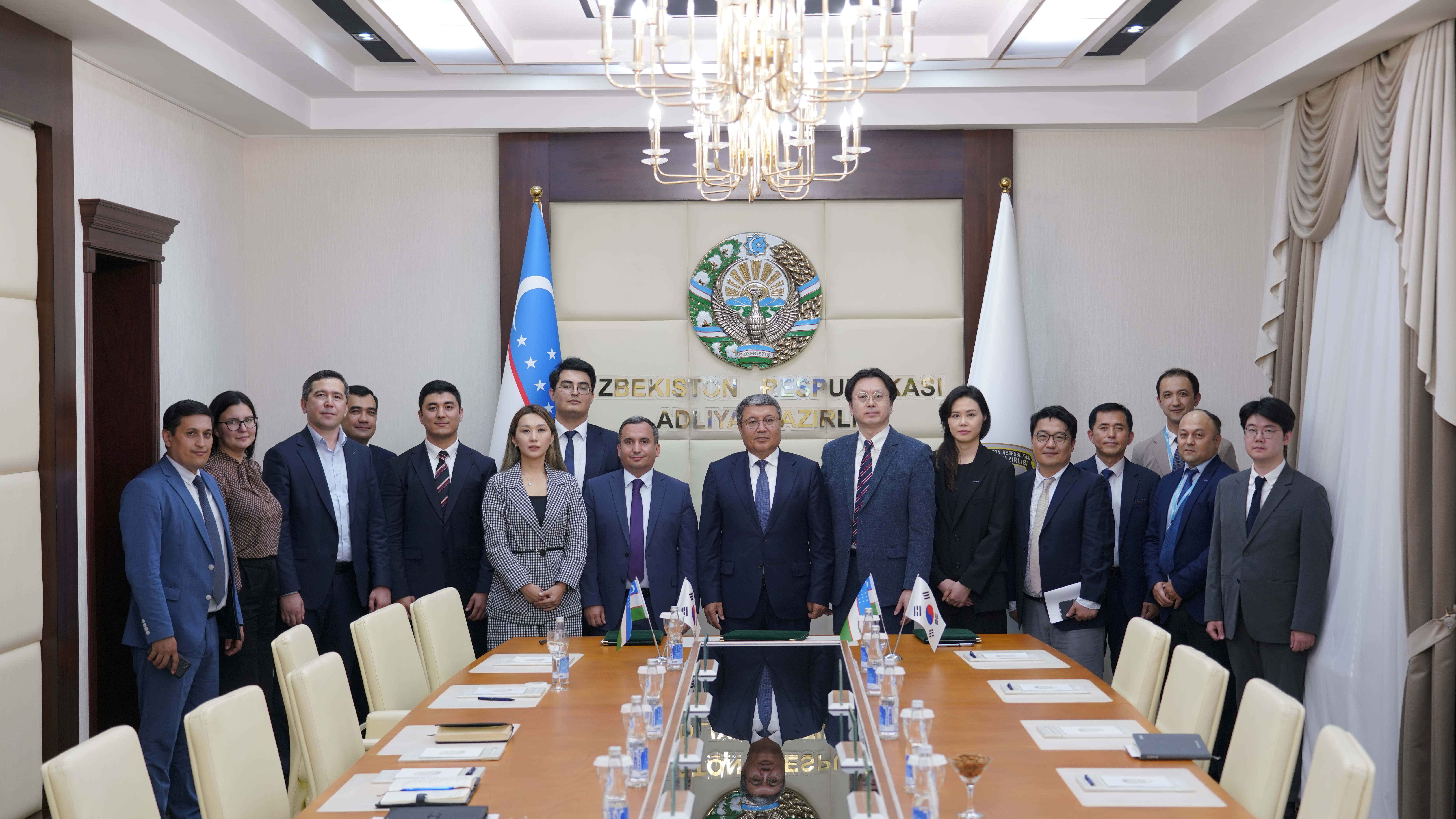
A discussion protocol was signed between the Ministry of Justice of the Republic of Uzbekistan, the Tashkent State University of Law, and the representative office of the Korea International Cooperation Agency in Uzbekistan regarding the project “Building an Environment for AI-based Legal Service and Capacity Development in Uzbekistan”.
The signing ceremony was attended by the Minister of Justice Akbar Tashkulov, the KOICA Uzbekistan Country Director Shin Myung Seop, the Rector of TSUL, Professor Bakhshillo Khodjayev, and representatives of relevant organizations.
It is noted that the total funding for the project, planned for implementation in 2026-2030, amounts to $14.5 million. The initiative aims to digitize the country’s legal services system and strengthen human resource capacity in digital law.
It is emphasized that the introduction of artificial intelligence-based solutions will make it possible to improve the quality of legal services provided to citizens and to ensure their transparency and efficiency.
Mr. Tashkulov noted that this project is not merely a document but the beginning of long-term cooperation to develop a modern, transparent, and citizen-oriented legal services system. According to him, introducing artificial intelligence technologies into the sector is strategically important.
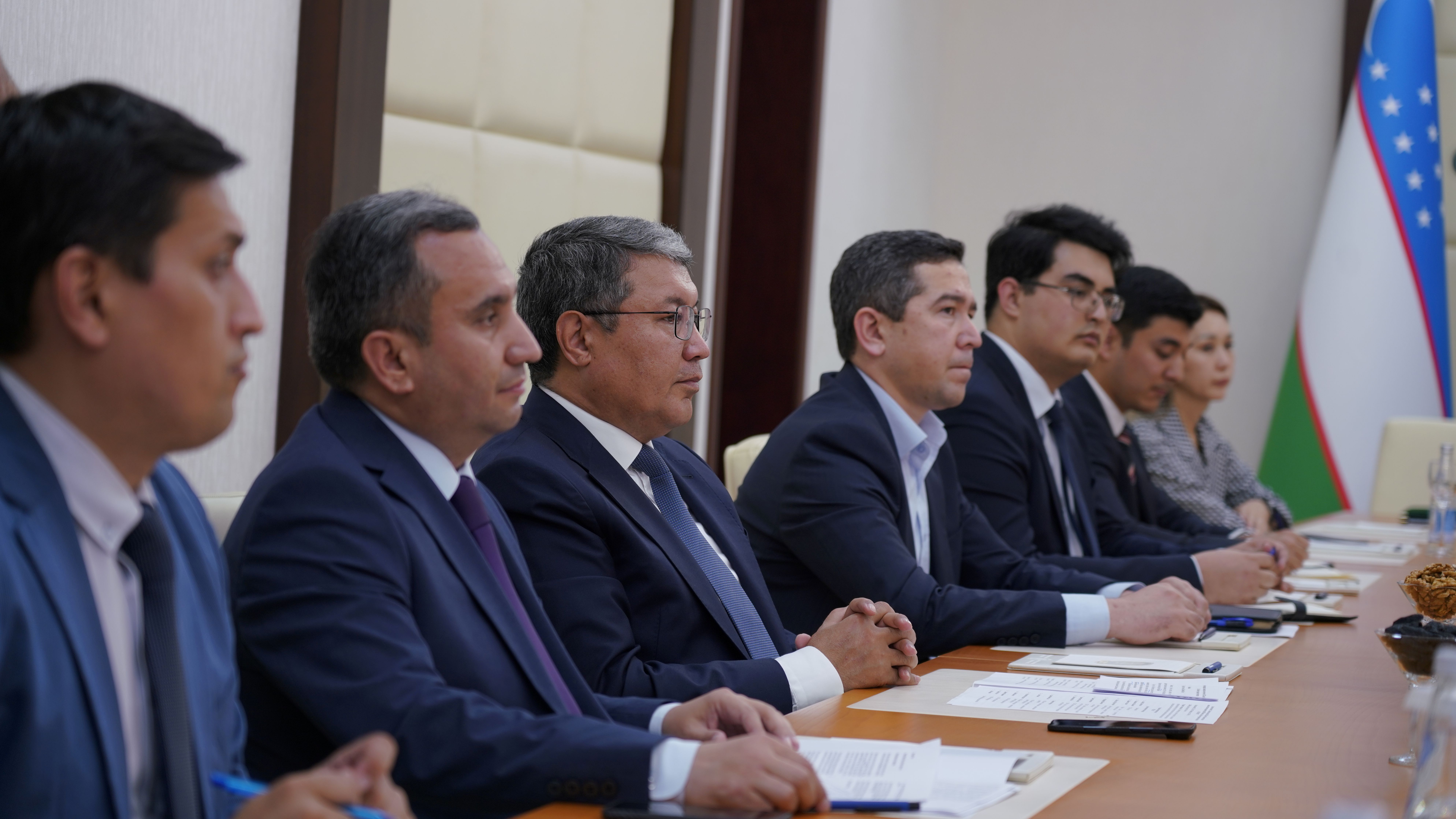
Mr. Shin Myung Seop stated that the project reflects the shared goals of the Republic of Korea and Uzbekistan for the digital transformation of the legal system. He noted that the platform being developed will enable the integration of legislation, judicial practice, and scientific materials into a unified information system. It is planned to introduce services such as artificial intelligence-based legal consulting, assistance with document preparation, and analysis of judicial practice.
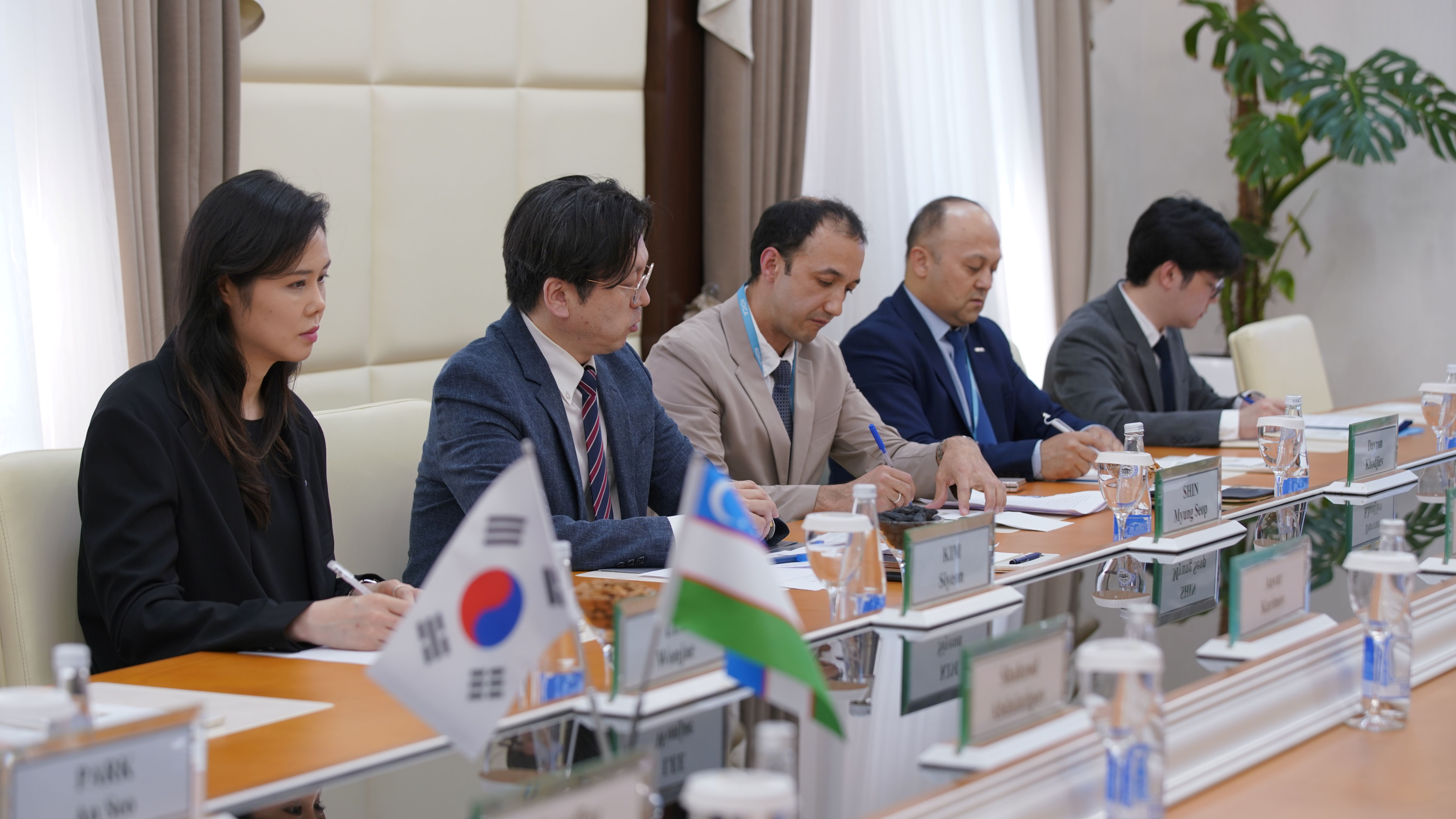
Mr. Khodjayev emphasized that this initiative will mark a new stage in the development of the legal education system. According to him, the university will actively train specialists who meet the requirements of the modern legal environment and possess digital skills and a high level of professional responsibility.
D. Hakimov, UzA