Uzbekistan delegation explores Avicenna's legacy
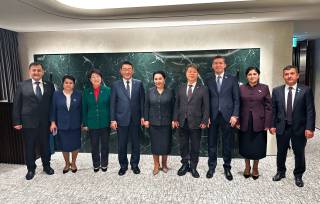
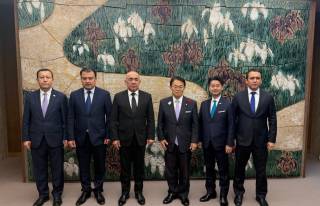
At the initiative of the Ibn Sino Public Foundation, the first historical expedition of the Uzbekistan delegation to India has begun, aimed at studying the scientific heritage of the great thinker and the unique manuscripts preserved in this country.
The expedition is part of the “Abu Ali ibn Sina: Manuscripts – Science – Life” project, designed to strengthen cooperation between scientists from the two countries and expand opportunities for joint scientific research.
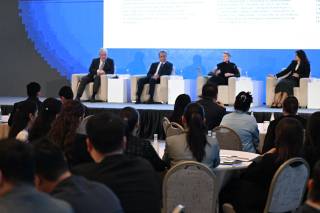
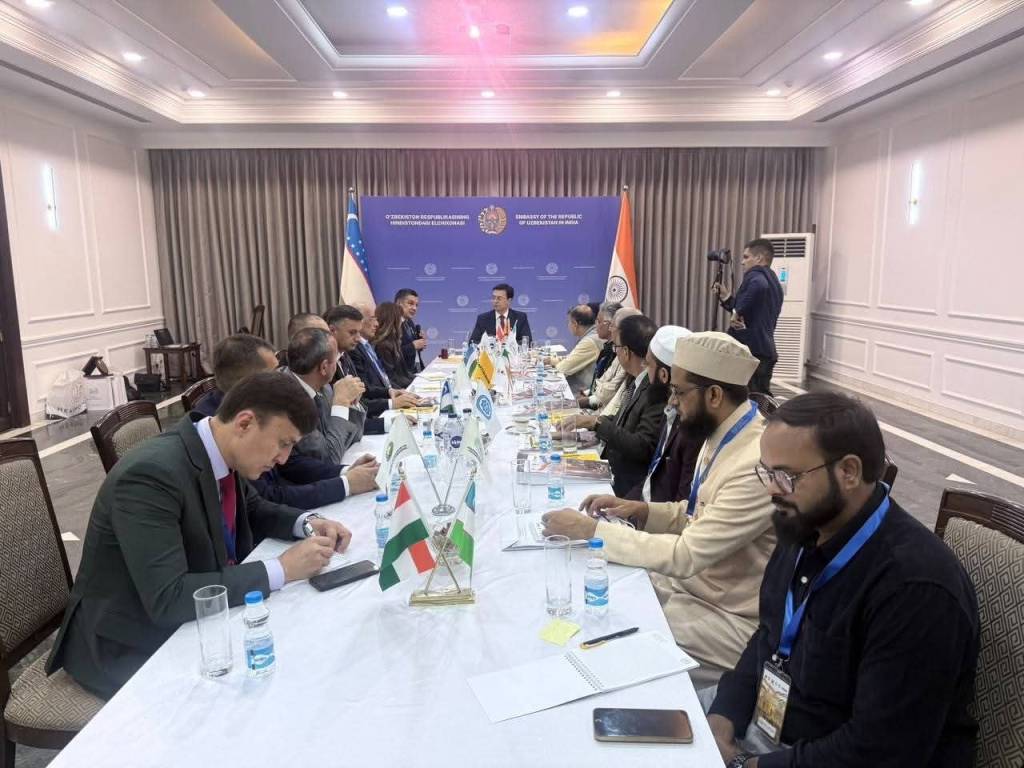
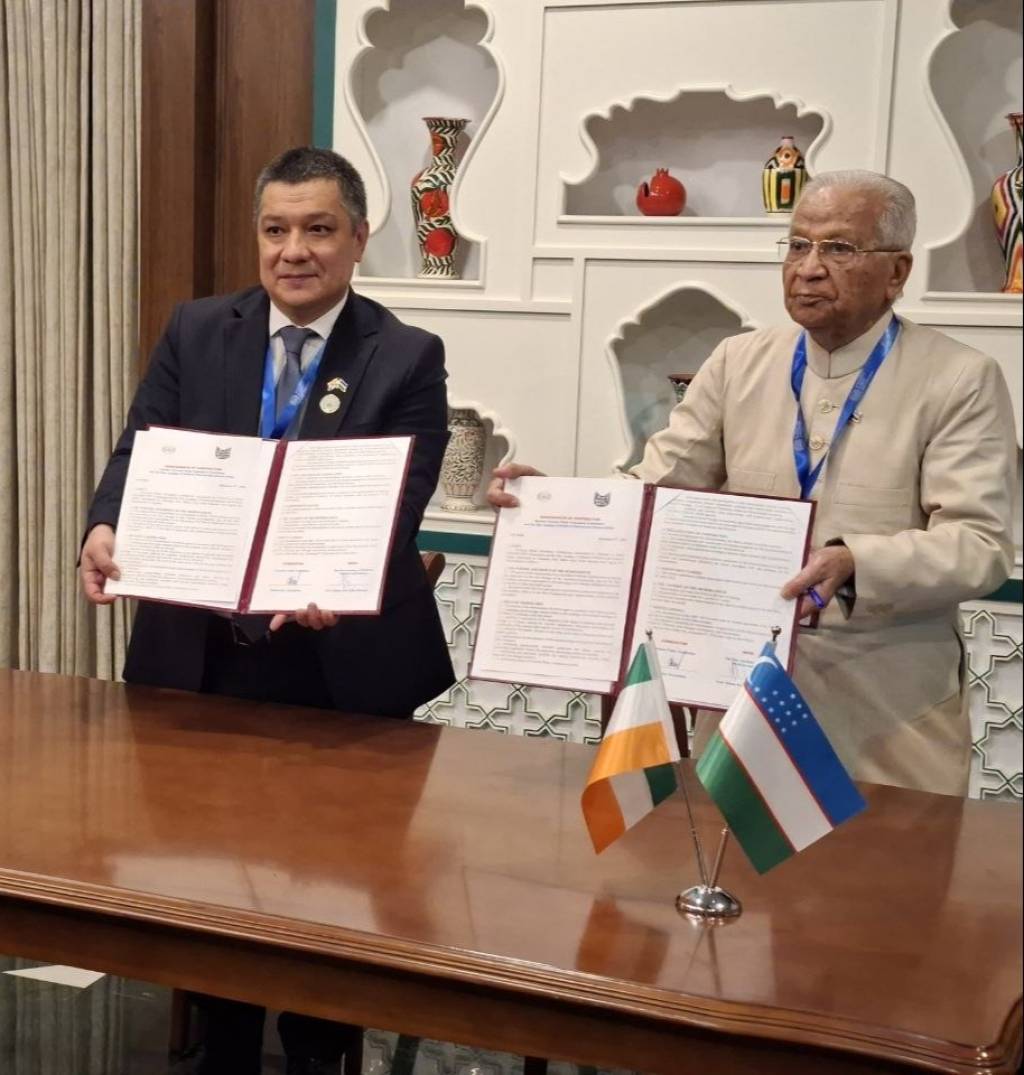
The scientific conference held at the Embassy of Uzbekistan in India was one of the first events. It was attended by the Ambassador of Uzbekistan to India Sardor Rustambayev, the Chairman of the Board of the Ibn Sino Public Foundation Nozimkhon Mahmudov, and the President of the Ibn Sina Academy of Medieval Medicine and Sciences in India Hakim Syed Zillur Rahman. Special attention was given to the contribution of Abu Ali Ibn Sina to the development of medicine and the significance of his scientific heritage. A Memorandum of Cooperation was signed between the Ibn Sino Public Foundation and the Ibn Sina Academy of Medieval Medicine and Sciences in India.
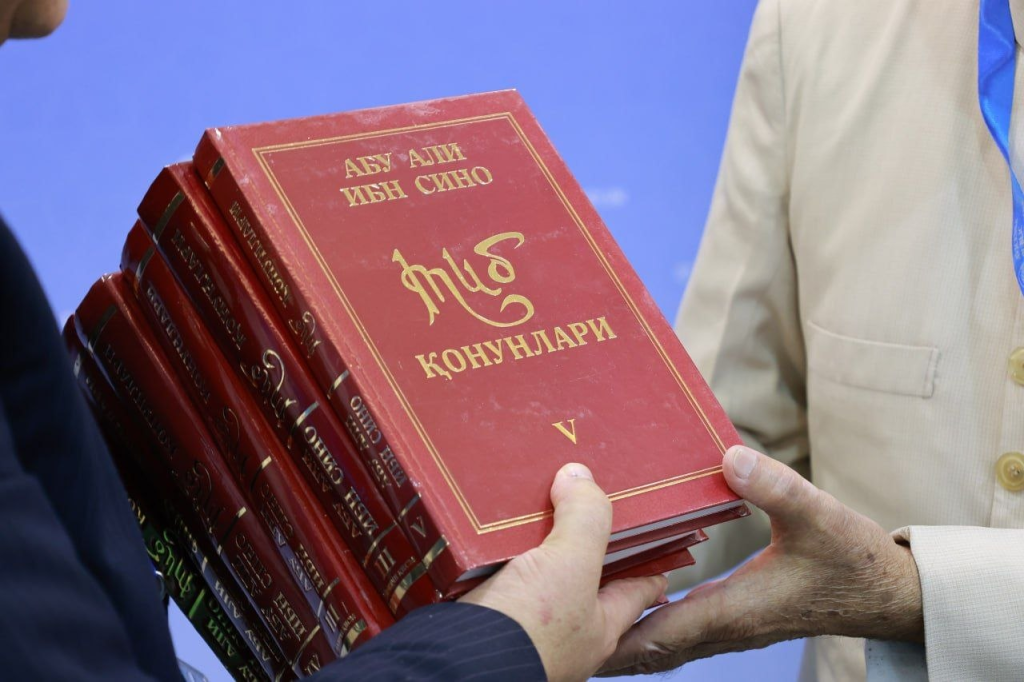
“The signing of this document creates the basis for conducting joint research and translation of unique manuscripts”, says Nozimkhon Mahmudov. “Ibn Sina Academy of Medieval Medicine and Sciences, founded in 2000 by Hakim Syed Zillur Rahman, is a non-profit research center specializing in studying and popularizing the legacy of the great scientist and the history of Greek medicine. There is a library and a museum”.
Organizations that have contributed to the study and promotion of Ibn Sina’s heritage have been awarded special prizes from the Ibn Sino Public Foundation.
The expedition program provides for scientific events in New Delhi, Ghaziabad, and Aligarh, including a forum, a symposium, and meetings with representatives of the Indian scientific community.
Mohigul Qosimova, UzA