Uzbekistan and Kazakhstan: new opportunities to align strategic agendas and deepen allied relations
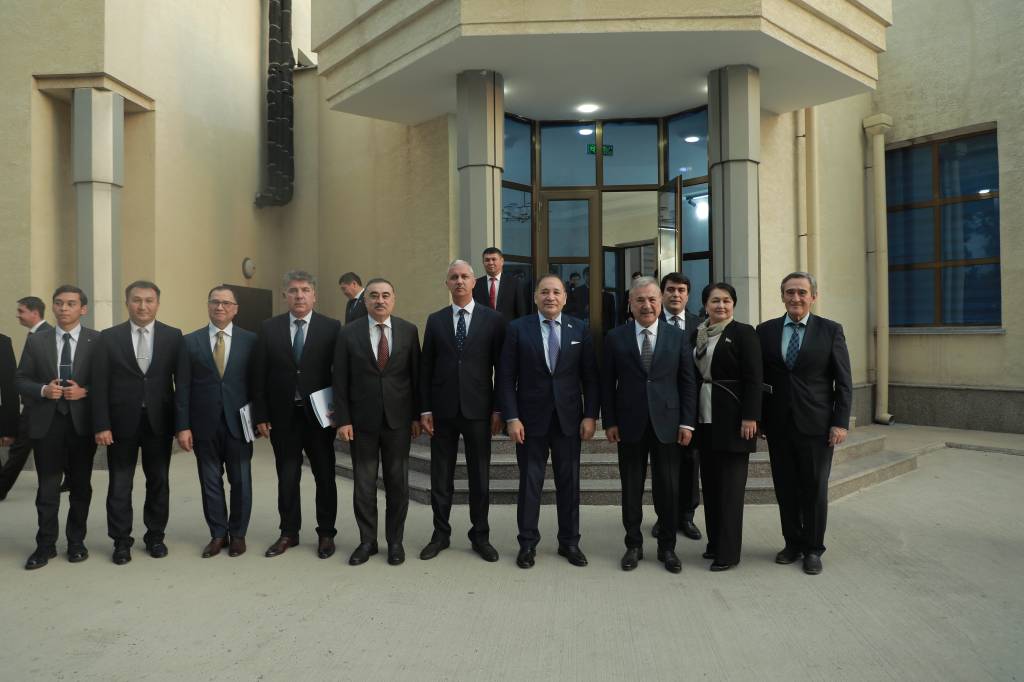
A series of expert meetings and discussions was held in Tashkent to analyze the State of the Nation Address delivered by the President of the Republic of Kazakhstan Kassym-Jomart Tokayev on October 28, 2026, entitled “Kazakhstan’s current priorities in a new historical cycle”. The discussions focused on identifying the address’s key political and socio-economic priorities and exploring prospects for further development of cooperation between Uzbekistan and Kazakhstan.
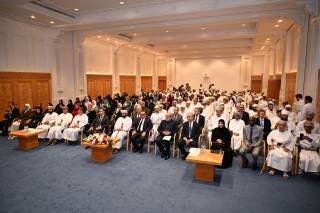
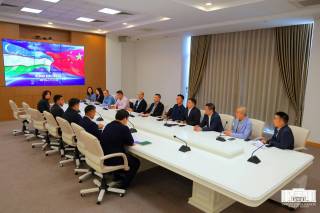
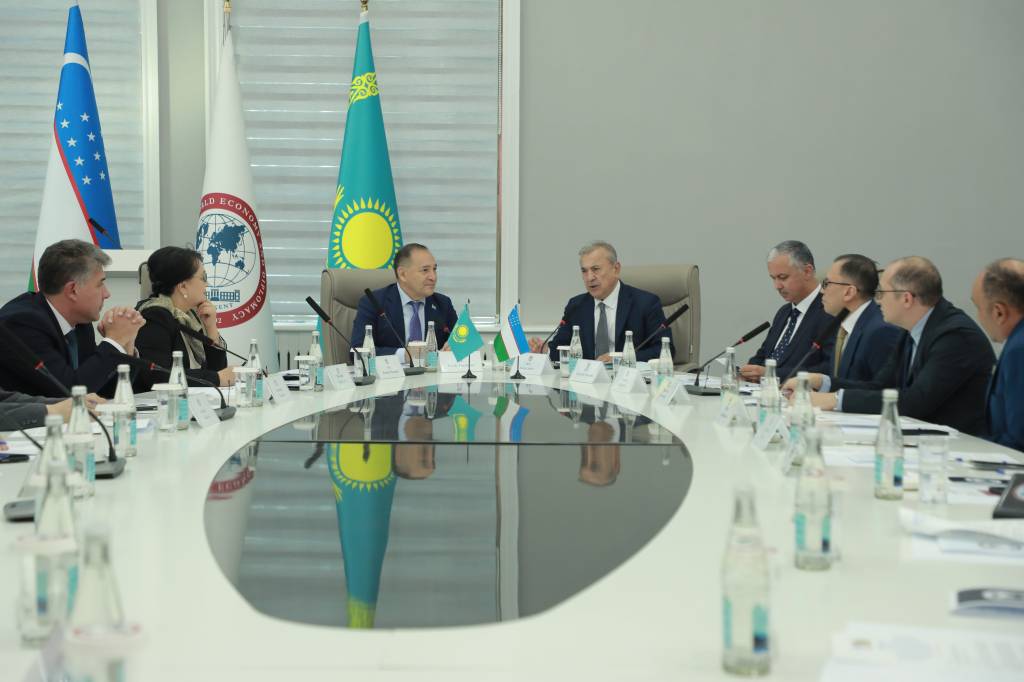
In particular, discussions took place at the International Institute for Central Asia (IICA) and the University of World Economy and Diplomacy (UWED), bringing together members of the expert and academic communities, scholars, researchers, political scientists, parliamentarians and diplomats.
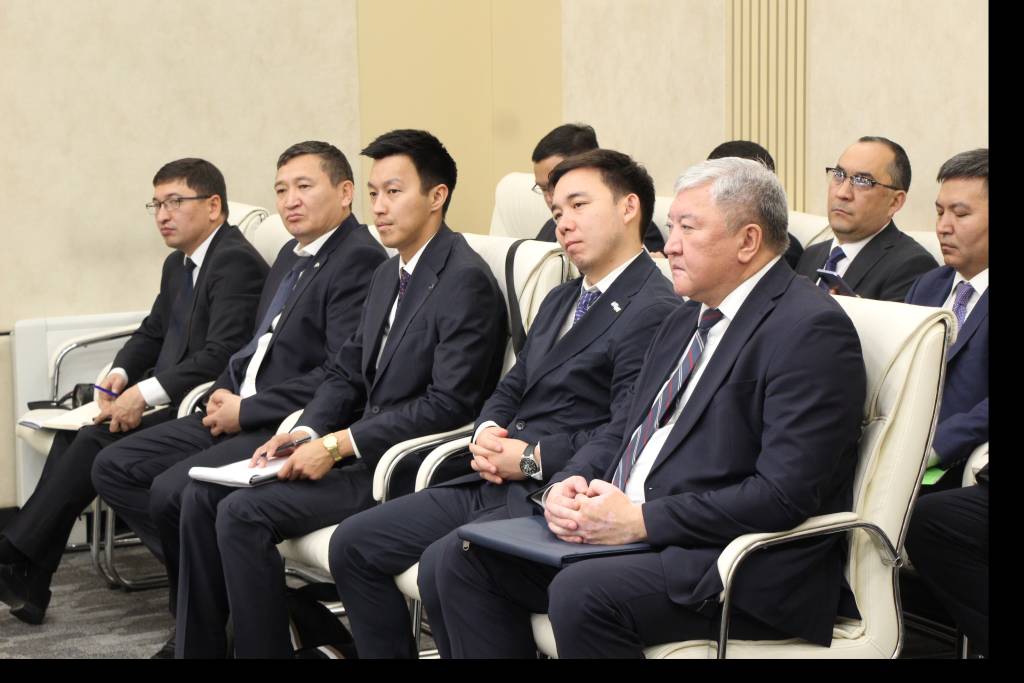
The events, organized jointly with the Embassy of the Republic of Kazakhstan in Uzbekistan, were also attended by senior officials and experts from the Institute for Strategic and Regional Studies under the President of the Republic of Uzbekistan (ISRS). They presented their assessments of the address’s key provisions and their implications for deepening bilateral and regional cooperation.
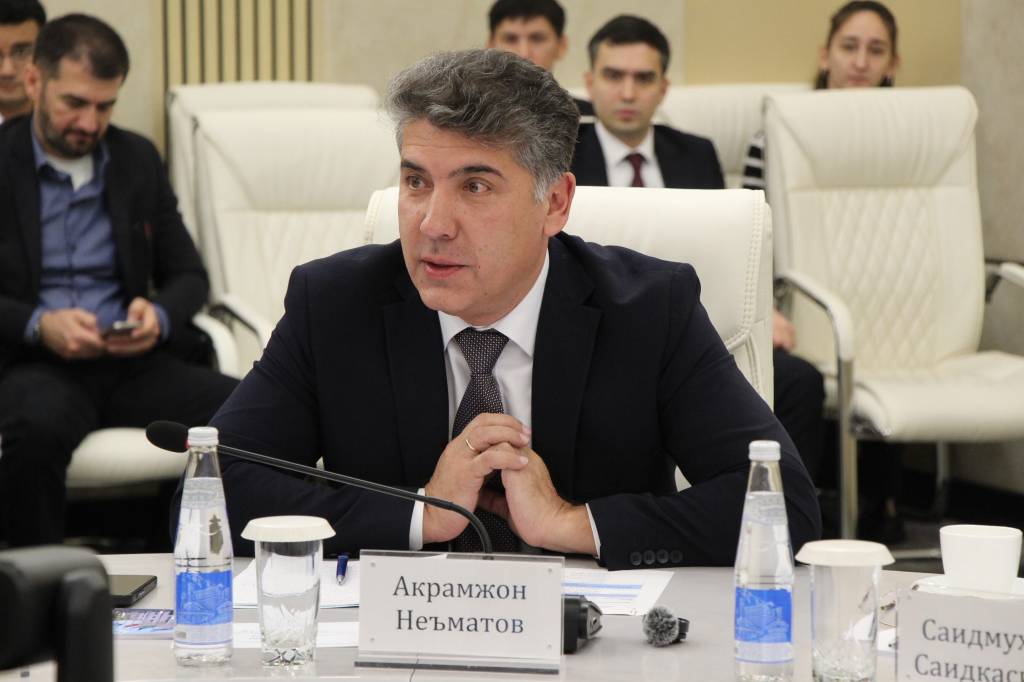
Participants focused on Kazakhstan’s political and economic modernization priorities, prospects for implementing the strategic objectives outlined in the address, and opportunities to align the national development programs of Uzbekistan and Kazakhstan.
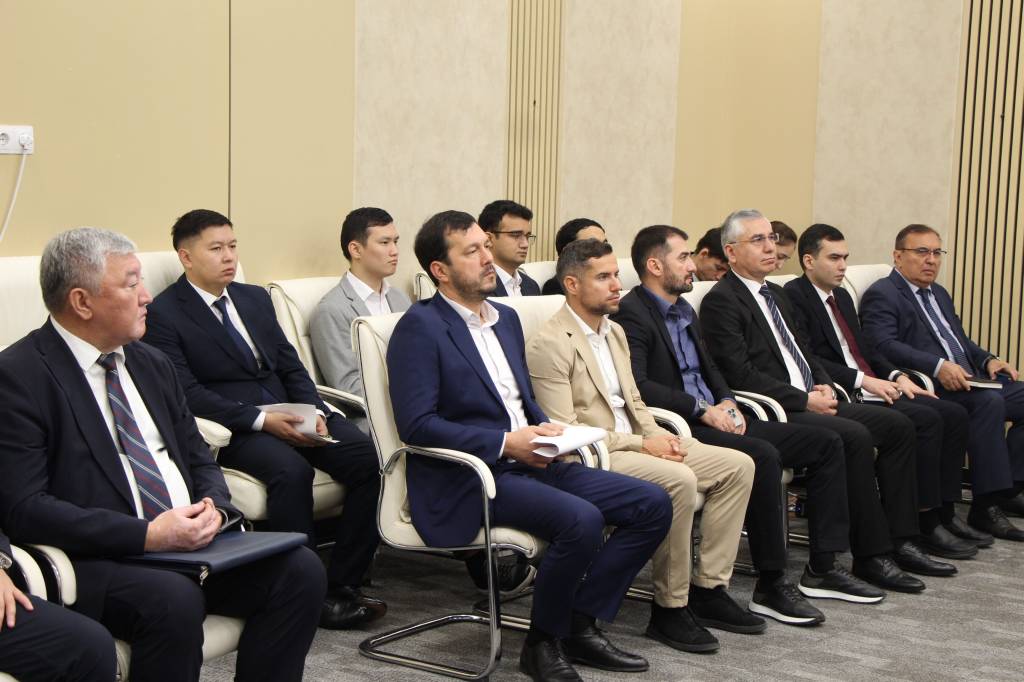
Speaking at the events, Akramjon Nematov, First Deputy Director of the Institute for Strategic and Regional Studies (ISRS), emphasized the strategic significance of the address and its close alignment with the course of large-scale reforms being pursued in Uzbekistan.
According to him, Kazakhstan and Uzbekistan face largely similar challenges: ensuring sustainable economic growth, accelerating industrial and technological modernization, developing infrastructure and increasing economic productivity.
Participants broadly agreed that aligning the modernization agendas of Uzbekistan and Kazakhstan could become a key factor in strengthening Central Asia’s economic resilience and enhancing its international competitiveness.
The discussions reaffirmed the mutual interest of Uzbekistan’s and Kazakhstan’s expert, analytical and academic communities in developing substantive dialogue, exchanging assessments of strategic priorities and formulating practical proposals aimed at strengthening allied relations and promoting the sustainable development of Central Asia.
UzA