Transforming the environmental crisis into the development of sustainable ecosystems
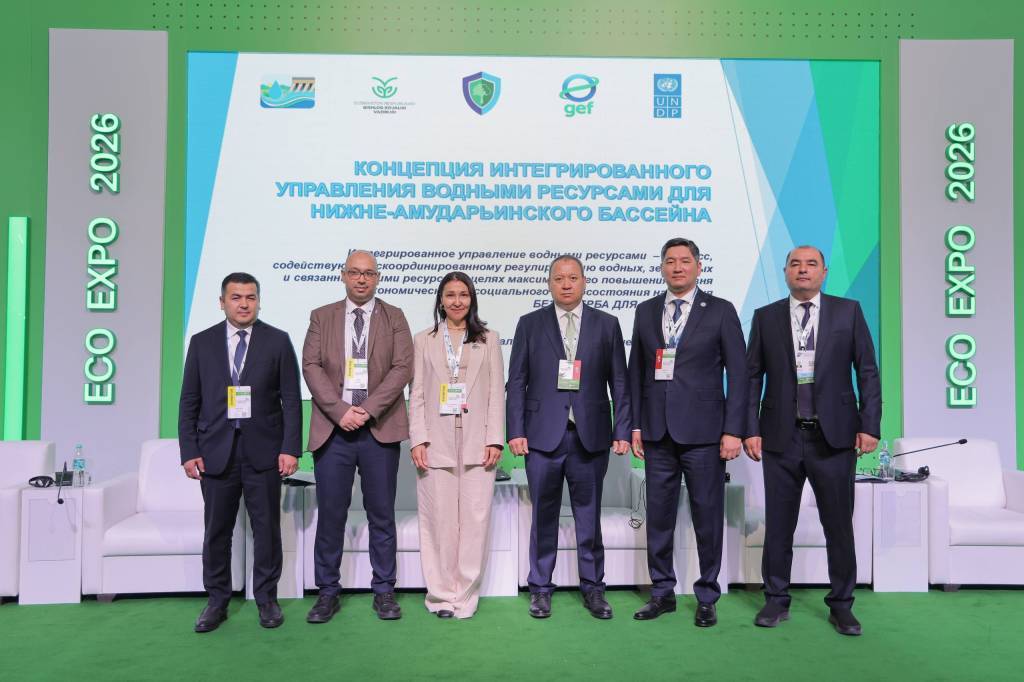
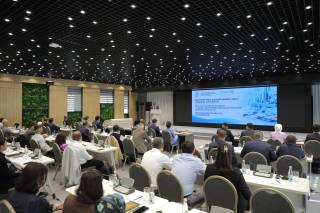
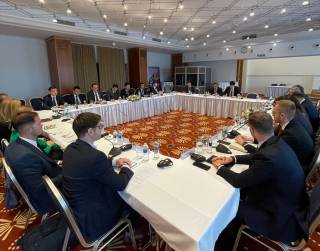
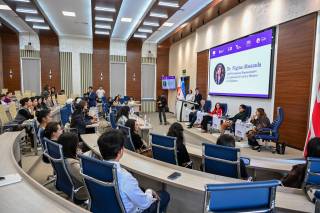
As part of the Eco Expo Central Asia 2026, which opened in Samarkand, the conference “Islands of sustainability: Preserving ecosystem services in the Lower Amudarya and the Aral Sea Basin” took place.
The event was organized as part of the Aral Sea Wetlands Project, implemented by the National Committee on Ecology and Climate Change jointly with the United Nations Development Programme (UNDP) and the Global Environment Facility, and was dedicated to issues of restoring the ecosystems of the Aral Sea region, sustainable management of land and water resources, biodiversity conservation and strengthening the region’s climate resilience.
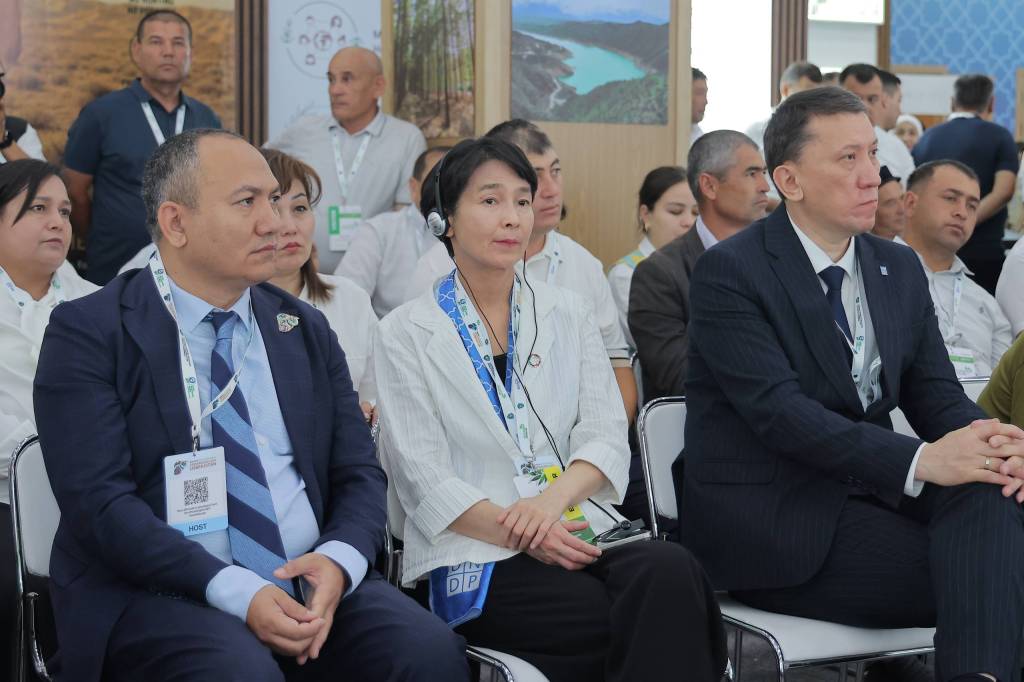
The participants discussed the transition of the Aral Sea region from an environmental crisis to the formation of sustainable ecosystems, improving water resource management amid climate change, introducing climate-resilient farming methods, and approaches to achieving land degradation neutrality. Particular attention was paid to the role of wetlands and coastal ecosystems in conserving biodiversity, ensuring the sustainability of ecosystem services, and creating additional sources of income for the local population.
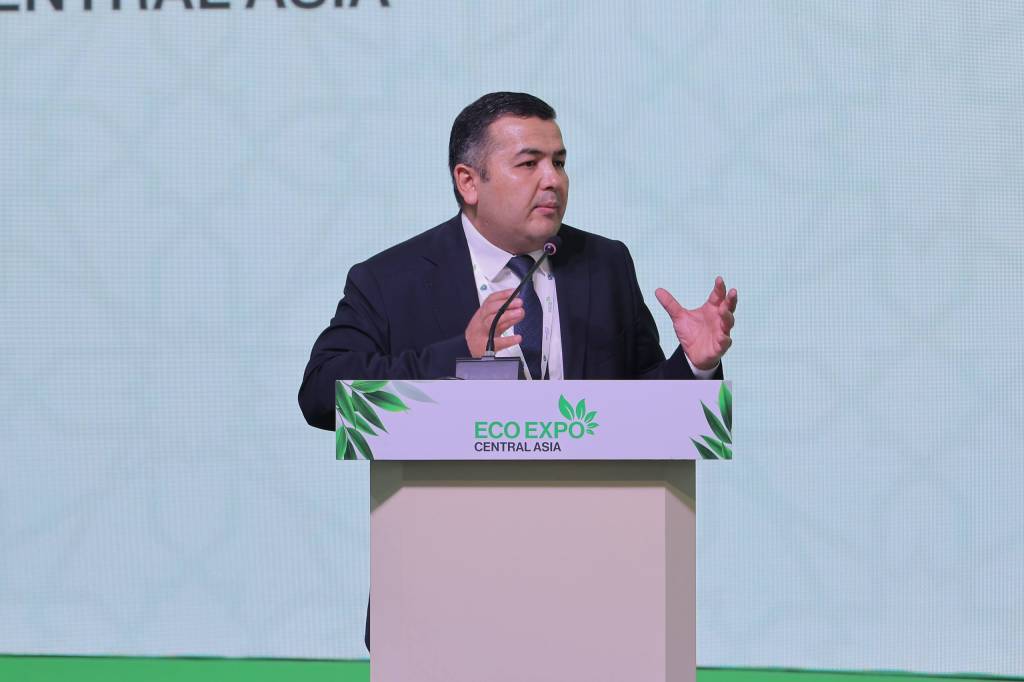
Prospects for expanding international cooperation, introducing innovative solutions, and sharing successful experience in restoring the ecosystems of the Aral Sea region were discussed. The fourth Environmental Performance Review (EPR) of Uzbekistan, prepared under the UNECE Environmental Performance Reviews, was presented.
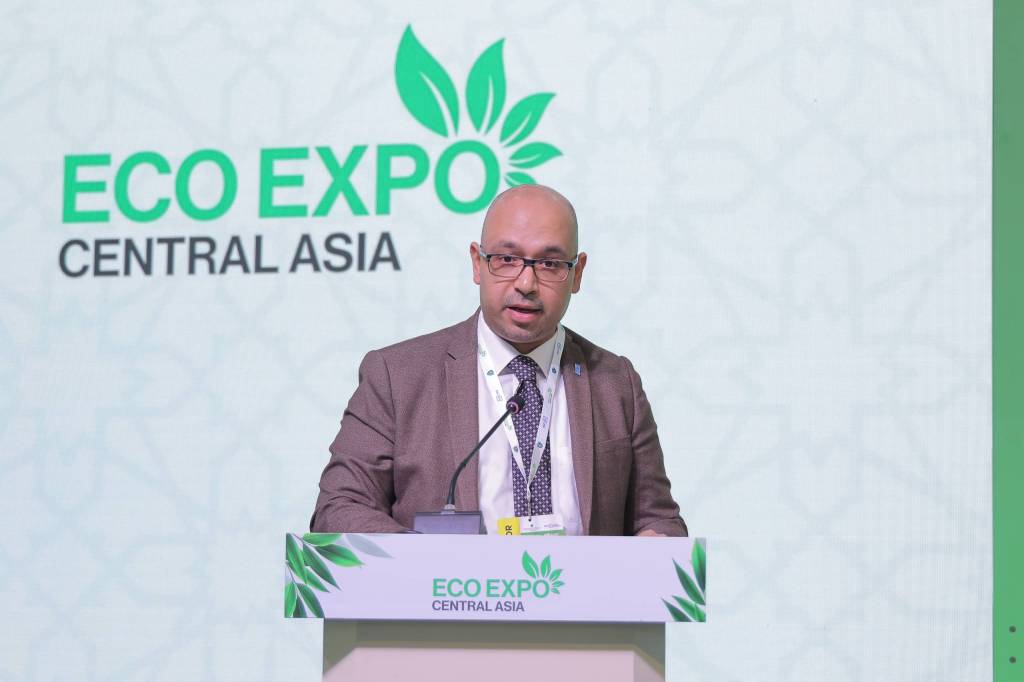
The fourth review was officially approved by the UNECE Committee on Environmental Policy in November 2025. It is an important international document reflecting Uzbekistan’s achievements in environmental reforms, climate policy, and sustainable development.
Deputy Minister of Ecology Jusipbek Kazbekov emphasized the consistency of the country’s environmental reforms underway and the importance of international cooperation in advancing the green transformation.
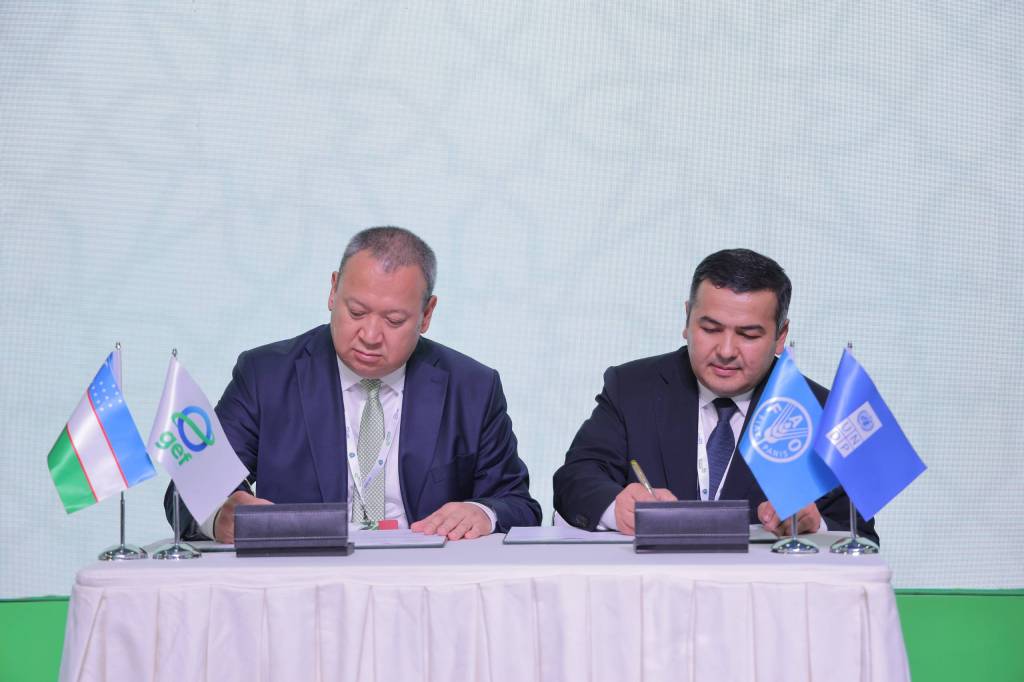
Reports were also delivered by Paola Deda, Director of the Forests, Land and Housing Division at UNECE, representatives of the governments of Germany, Italy and Switzerland, as well as international experts who took part in preparing the review.
According to the review’s findings, Uzbekistan has fully or partially implemented, or is in the process of implementing, 77 percent of the recommendations developed following the third Environmental Performance Review. The new document contains 45 recommendations and covers 41 indicators across 12 UN Sustainable Development Goals.
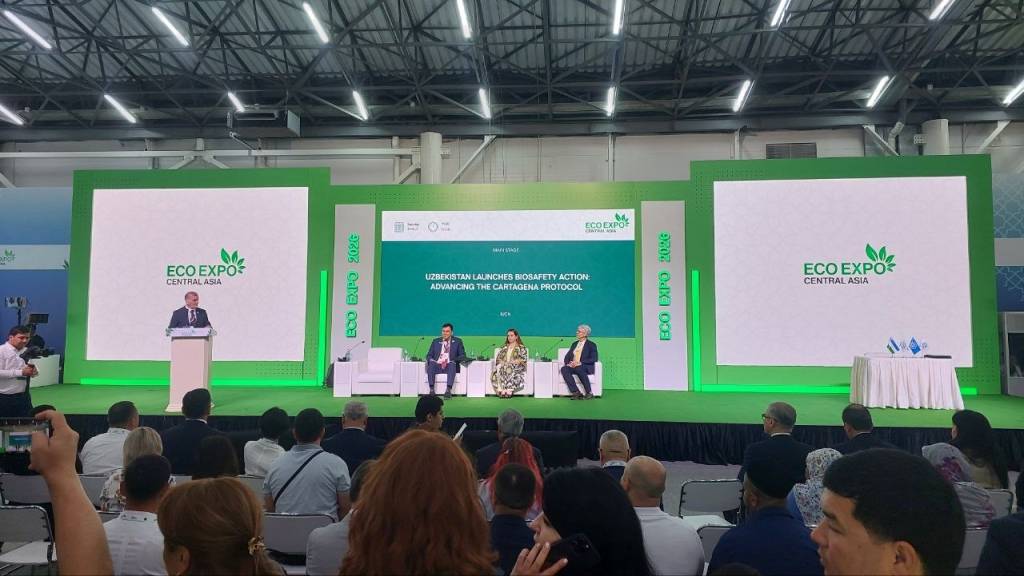
As part of the event, a symbolic ceremony was also held to present the fourth Environmental Performance Review to Uzbekistan.
G. Khasanov, UzA