The Samarkand Declaration – a new stage in the fight against the global drug threat
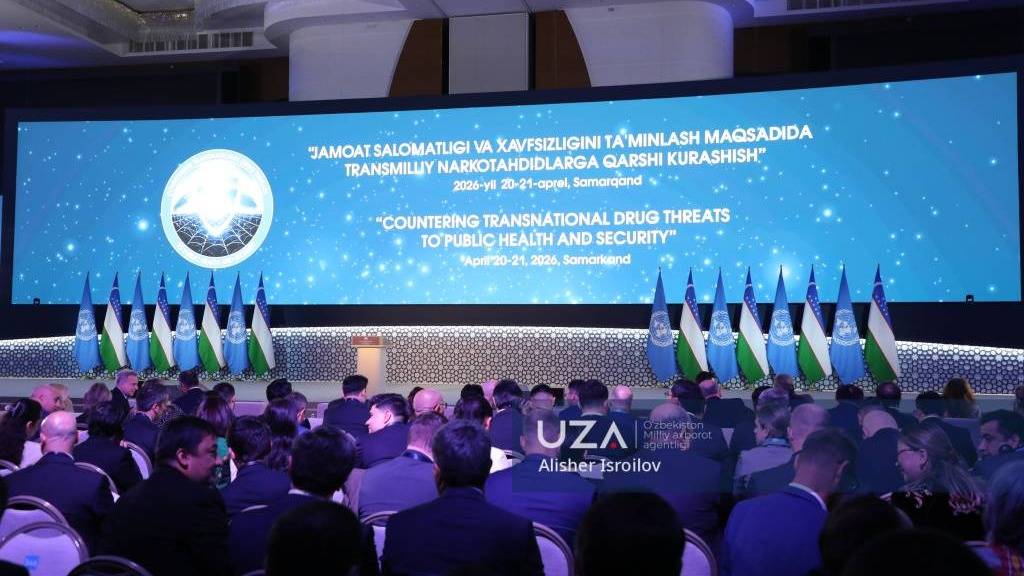
The international forum “Countering Transnational Drug Threats to Public Health and Security”, held in Samarkand, opened a new and important chapter in the history of international cooperation. The significance of this authoritative event lies not only in discussing problems, but also in developing concrete solutions and achieving practical results.
The forum, organized with support from the United Nations Office on Drugs and Crime, brought together officials from various countries, experts, and delegates from international organizations. The discussions focused on developing an effective, coordinated mechanism to counter transnational drug crime.
Farid Damirli, a representative of the Conference on Interaction and Confidence-Building Measures in Asia, characterized the meeting as follows:
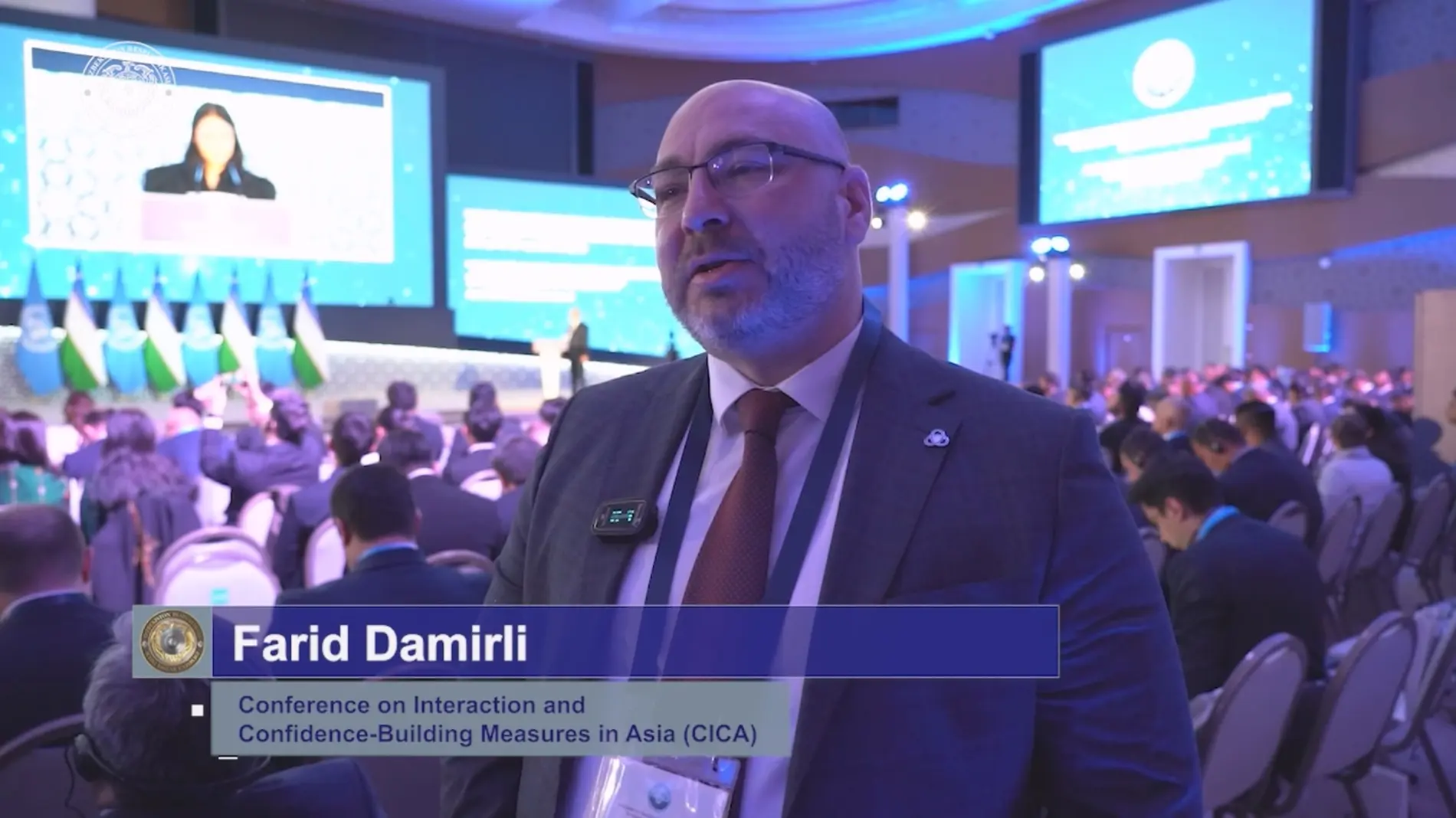
– The Samarkand dialogue is not just a discussion but a meeting focused on practical results, – he emphasized. – We have once again become convinced that drug-related crimes pose a threat to the entire world. Therefore, the key requirement today is to act together.
Foreign experts particularly noted Uzbekistan’s active stance in this area. The forum's high level of organization and the state-level attention to the issue demonstrate the country’s serious approach to addressing it.
Sabine Machl, United Nations Resident Coordinator in Uzbekistan, drew attention to the rise of modern drug threats:
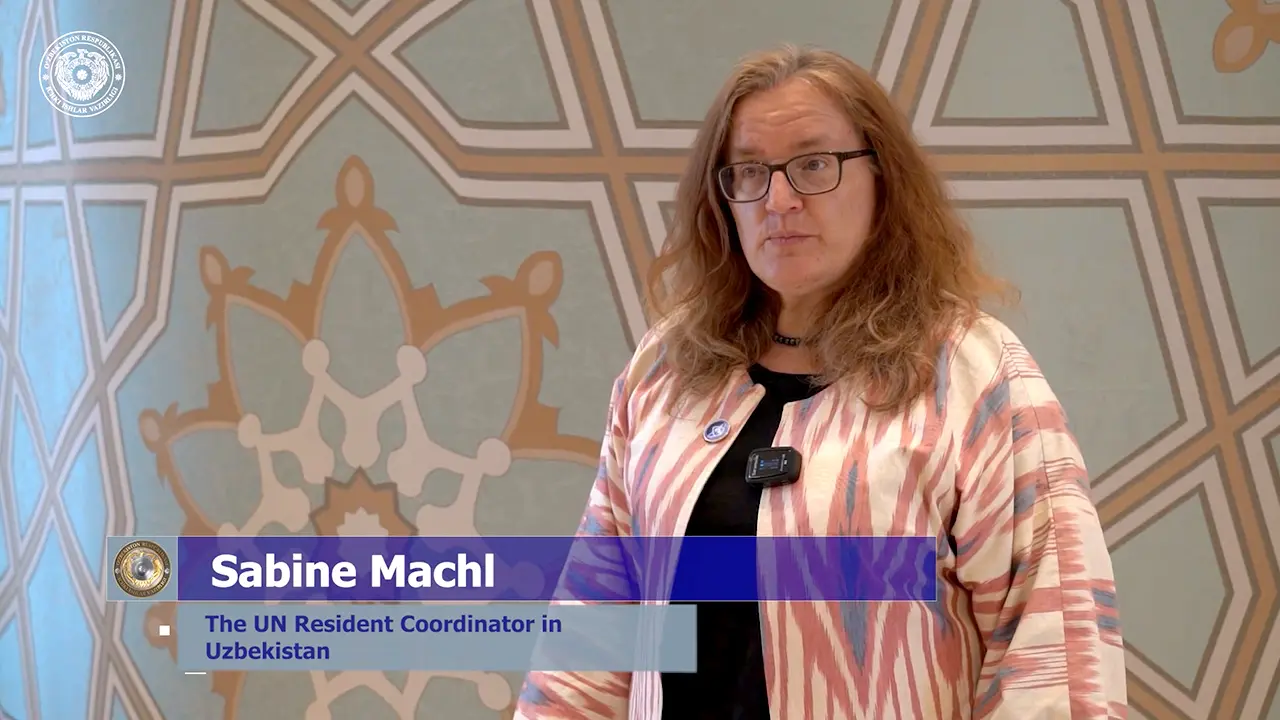
– It is important not to lose sight of one trend: the shift from traditional narcotic substances to synthetic ones is occurring extremely rapidly, significantly complicating the situation, – she stated. – Their distribution via the internet and the “darknet” is becoming an especially serious challenge.
In her view, law enforcement agencies must act proactively. In other words, technology, knowledge, and international cooperation are becoming decisive factors.
Salome Flores, a representative of the United Nations Office on Drugs and Crime, also stated her position:
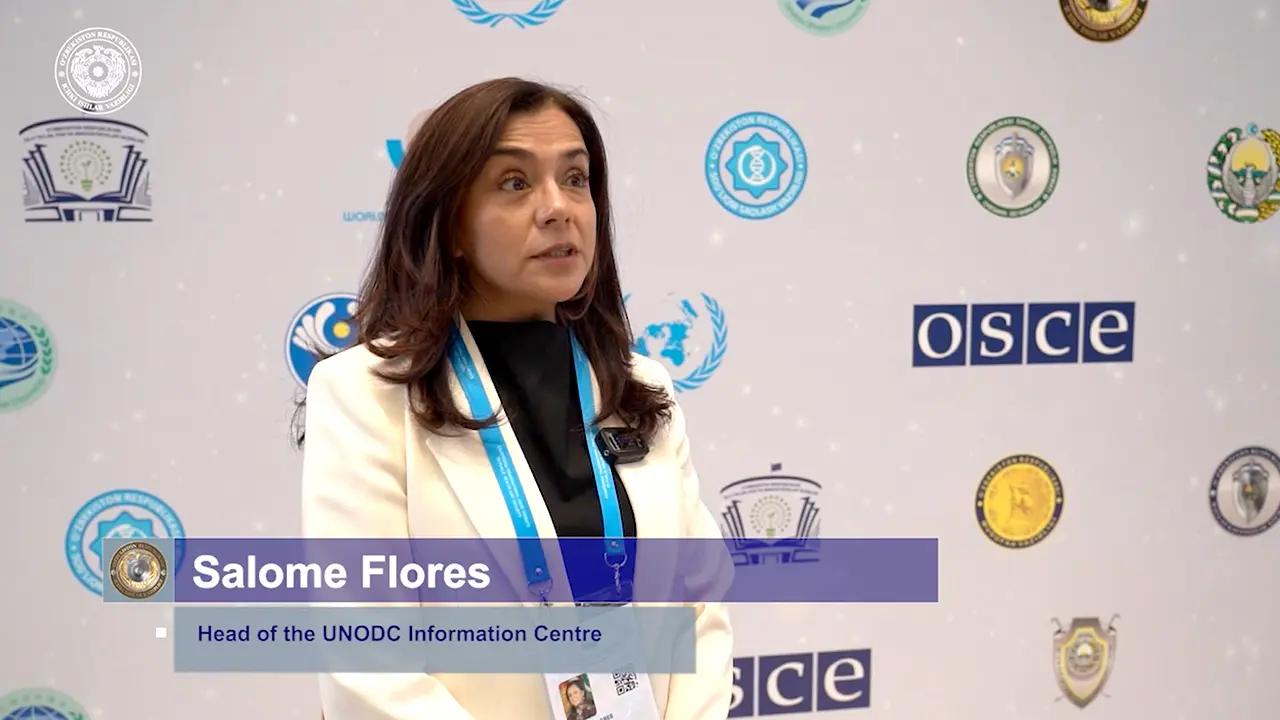
– Experts from different countries who gathered in Samarkand not only discussed pressing issues but also sought ways to address them, – she said. – The drug threat knows no borders, and the response to it must be collective.
During the forum, particular attention was paid to the practical aspects of the initiatives. Demonstrations featuring drug-detection dogs, along with an exhibition of modern equipment, laboratory devices, and digital surveillance systems, attracted significant interest.
According to experts, young people, who make up a significant share of the population, are the most vulnerable group to the drug threat. In this regard, raising awareness among youth, promoting a healthy lifestyle, and strengthening preventive measures were identified as priority tasks.
The Samarkand Declaration was adopted at the forum – a strategic document outlining priority areas for international cooperation in this field.
Bilateral and multilateral meetings were also highly important.
During the dialogue between representatives of Uzbekistan and Afghanistan, issues related to ensuring regional security were discussed.
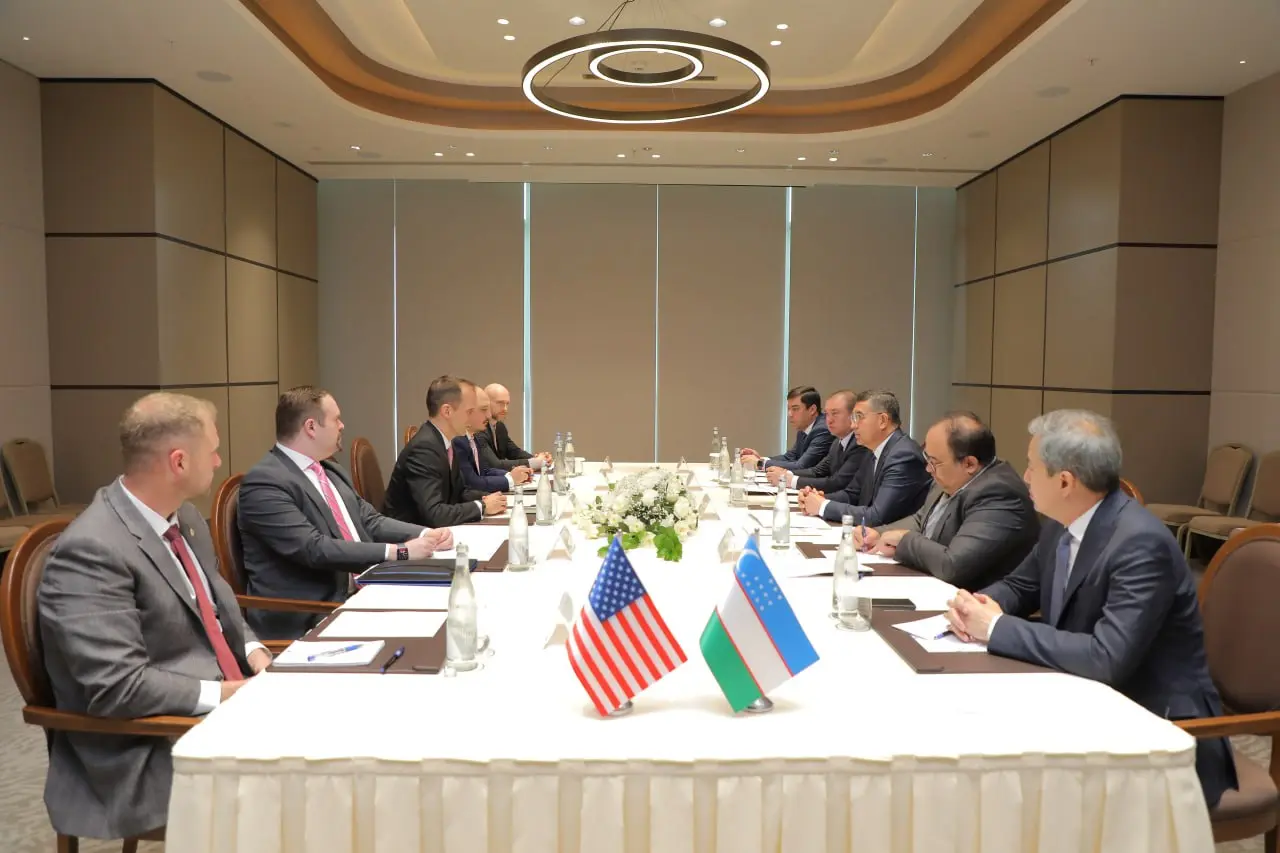
At the meeting between Uzbekistan’s representatives and their counterparts from the United States, agreements were reached to develop the international partnership, modernize training programs for law enforcement agencies, and expand technical capabilities.
Experts note that illicit drug trafficking and distribution have reached a new level, effectively eroding boundaries both geographically and technologically. In this regard, it is emphasized that traditional methods for combating this issue are no longer sufficient and must be integrated with modern approaches.
– We see how rapidly the nature of threats is changing, – Salome Flores noted. – Risks are growing larger, more adaptive, and, in many cases, hidden. The exchange of information and joint analytical mechanisms between states is more important today than ever before.
For this reason, particular attention was paid in the forum to elevating information interaction to a new level. In particular, agreements were reached to establish operational data exchange between neighboring states, conduct joint operations, and form a unified analytical database.
Participants also emphasized that countering the drug threat should not be limited to punitive measures alone.
– If we rely only on punishment, it is impossible to eliminate the root of the problem, – Sabine Machl stressed. – It is necessary to give due attention to prevention, education, and medical care.
This approach defined the forum’s overall spirit. In particular, protecting young people from drug threats requires not only awareness-raising efforts but also the implementation of concrete programs, educational projects, and social initiatives.
– If we want a safe future, we must pay attention to youth today, – Farid Damirli emphasized. – It is important not only to protect them but also to guide them properly.
The practical developments presented within the forum’s framework underscored the growing importance of an innovative approach in this field. In addition, methods for countering illegal activities on the “darknet” and modern technological and analytical tools were demonstrated at a specially organized exhibition.
Overall, the event made it possible to draw an important conclusion: it is impossible to counter global threats alone – sustainable results can be achieved only through trust, cooperation, and the pooling of efforts. The Samarkand Declaration was the outcome of such consolidation. It is necessary to focus on the transition from agreements to their practical implementation, supported by concrete results.
Musulmon Ziyo, UzA