The issue is being examined at the household level.
Reducing poverty, ensuring employment, and increasing family income are some of the most vital areas of the reforms being implemented at the local level today. The effective resolution of this task requires not only general measures but also a deep study of the life, opportunities, and needs of each family, identifying their problems, and finding suitable solutions.
During a video conference chaired by our President on elevating efforts to reduce poverty, ensure employment, and increase public income to a new level, specific tasks in this area were clearly defined.
It was emphasized that in lifting the population out of poverty, it is important not just to provide material assistance or allocate preferential loans, but to create the necessary conditions for each person to realize their potential, receive vocational training, secure employment, and obtain a stable source of income.
To ensure the implementation of these tasks, special attention is being paid to a household-by-household approach in the Tajribakor mahalla of the Gulistan district, Sirdaryo region. The main approach here is to study problems not from a distance, but by directly visiting households and determining specific measures for each family.
In total, 146 families in the mahalla fall into the categories of state-supported, poor, and near-poverty. Of these, 33 are state-supported, 25 are near the poverty line, and 88 are considered poor families.
Behind these figures are families with different circumstances, needs, and opportunities. Therefore, applying the same approach to all of them will not yield the expected results. While some need a job, others require vocational training, and another family may need financial assistance to start a business or practical help to make effective use of their household plot.
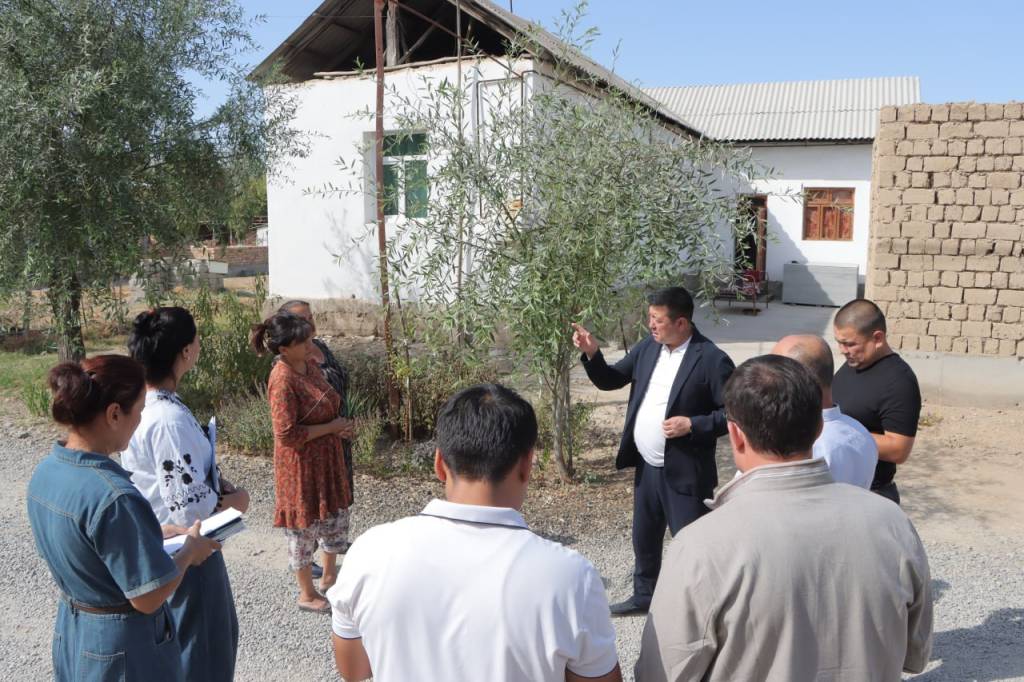
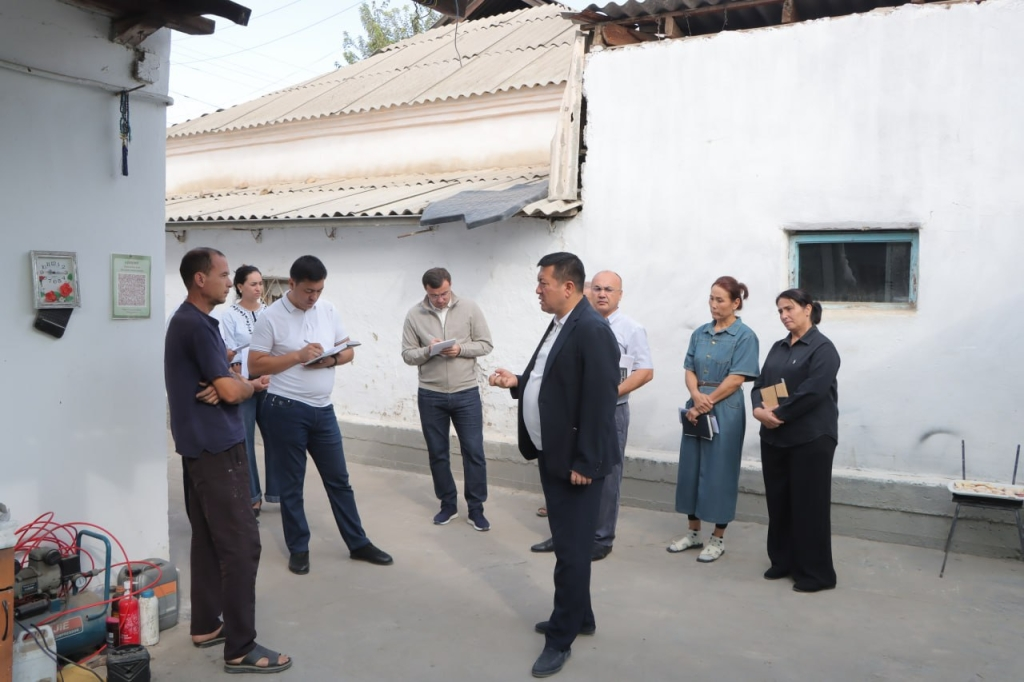
Recently, under the leadership of the khokim of Gulistan district, Olimjon Jo'rayev, a household-by-household study was conducted in the Tajribakor mahalla. During this process, the homes of 19 families with high poverty levels were visited, and their income sources, social status, existing opportunities, and problems were studied directly on-site.
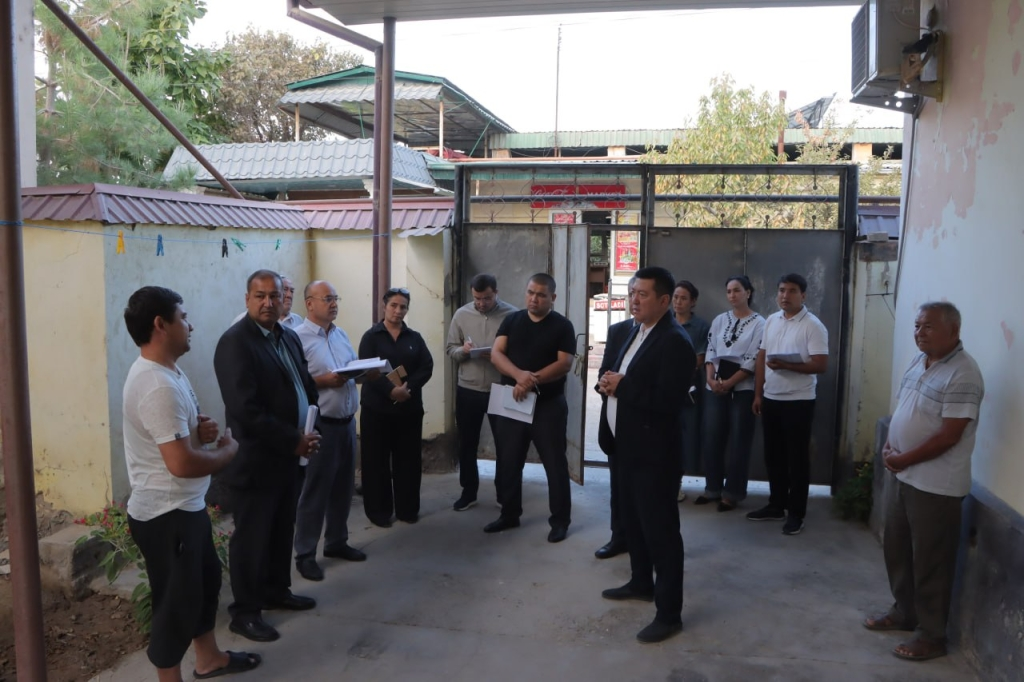
Individual conversations were held with each family, and based on their specific circumstances, individual action plans were developed to establish a permanent and stable source of income. In this process, the focus is not merely on providing general recommendations but on identifying concrete solutions tailored to each household's capabilities.
"The head of our state has assigned specific tasks not only to ministers and khokims but also to us—the khokim's assistants—to increase public income and lift people out of poverty. During the household-by-household studies organized in our mahalla with the participation of the district khokim, as well as during open dialogues with the public, our existing shortcomings and problems were clearly pointed out."
"This, first and foremost, places a great responsibility on us—the 'mahalla seven.' Most importantly, clear directives were given not to approach the work superficially, but to conduct an in-depth study of every household, identify the root cause of the problem, and achieve practical results. Our task now is to consistently implement the established measures, harness the potential of every family, and help them secure a stable source of income," says Shokir Abdumo'minov, the assistant to the mahalla khokim.
Specifically, opportunities are being explained to citizens who wish to start entrepreneurial activities, such as obtaining preferential loans, using subsidies to start businesses in sewing and confectionery, training in professions that are in high demand in the labor market, and generating additional income through the effective use of available household plots.
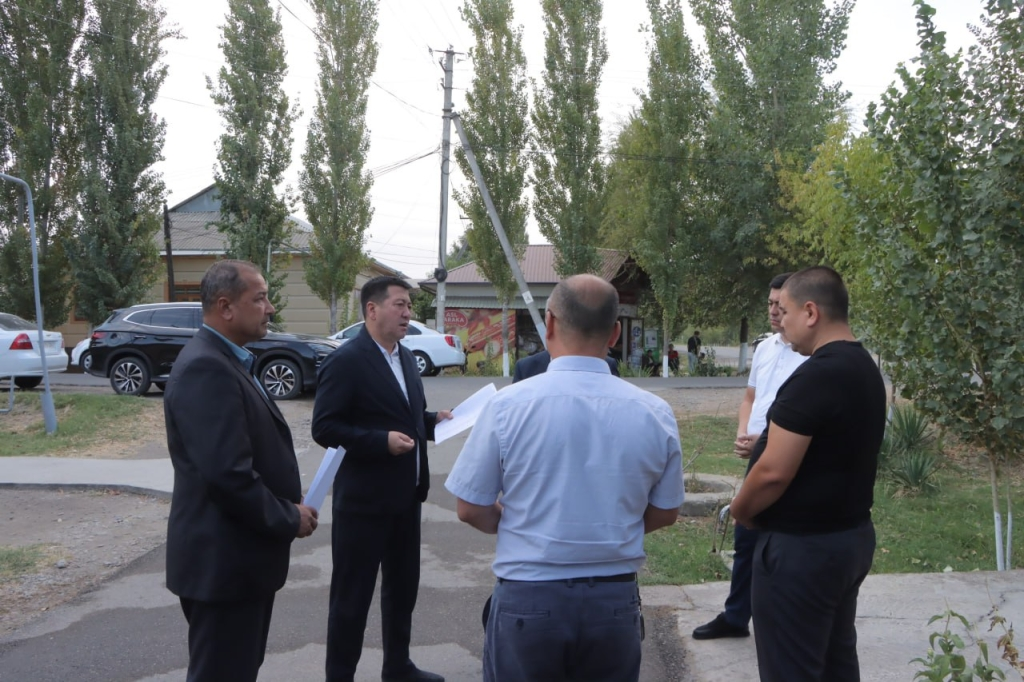
"Lifting people out of poverty and increasing public income is not just mere talk. It cannot be treated superficially. In this regard, the Head of State has outlined clear directions and tasks. We will achieve real results only when we deeply study the capabilities, needs, and problems of each household, not limiting ourselves to providing ready-made aid, but empowering people to create their own income. The main goal is to provide the family with a permanent and stable source of income, not a one-time handout. To do this, we must work with each household individually, unlock its potential, and utilize the available opportunities," says Olimjon Jo'rayev, the khokim of Gulistan district.
Indeed, the significance of the household-by-household approach lies in identifying the internal potential of each family. If a citizen with an interest in entrepreneurship and certain skills is supported, they can start their own business and create a source of income not only for themselves but also for their family members. Training a person who wants to learn a profession in fields that are in high demand in the labor market creates a foundation for their future stable employment.
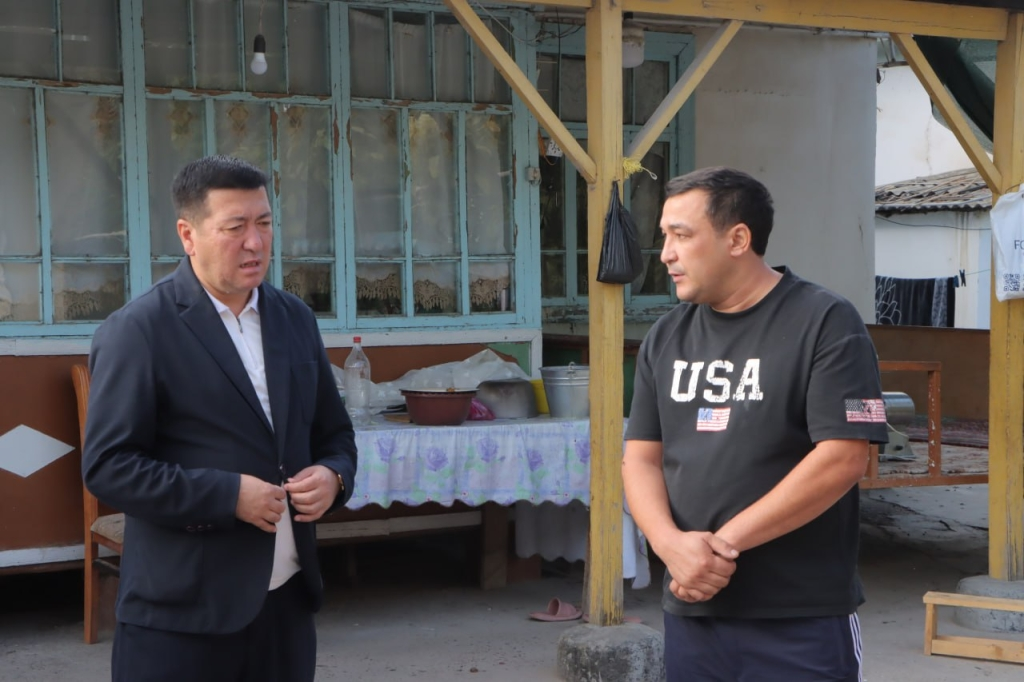
Additionally, a source of supplementary income can be created by engaging families who have the opportunity to effectively use their household plots. In other words, the primary task is to correctly identify the potential within each household and transform it into an income-generating activity. In this approach, the priority is to support citizens not just as recipients of aid, but as individuals capable of creating their own prosperity. The role of those in charge is to identify this potential, provide the necessary support, and help turn this opportunity into a practical result.
Because the main criterion for poverty reduction is not determined by how many families received aid, but by how many households established a stable source of income as a result of that assistance. The true effectiveness of the household-by-household approach becomes apparent when the number of employed citizens increases, new business entities emerge, the efficient use of household plots is established, or a person who has acquired a profession begins to earn an income through their labor.
In this sense, the work being carried out in the "Tajribakor" mahalla is not a one-time event. It is a systematic process aimed at improving the economic situation of every family, involving them in labor and entrepreneurship, and gradually reducing poverty through the effective use of available opportunities.
Crucially, the household-by-household approach makes it possible to work with the root causes of a problem, not just its consequences. The assistance provided to a family will only be targeted, effective, and impactful when its sources of income, labor potential, professional skills, and needs are clearly studied.
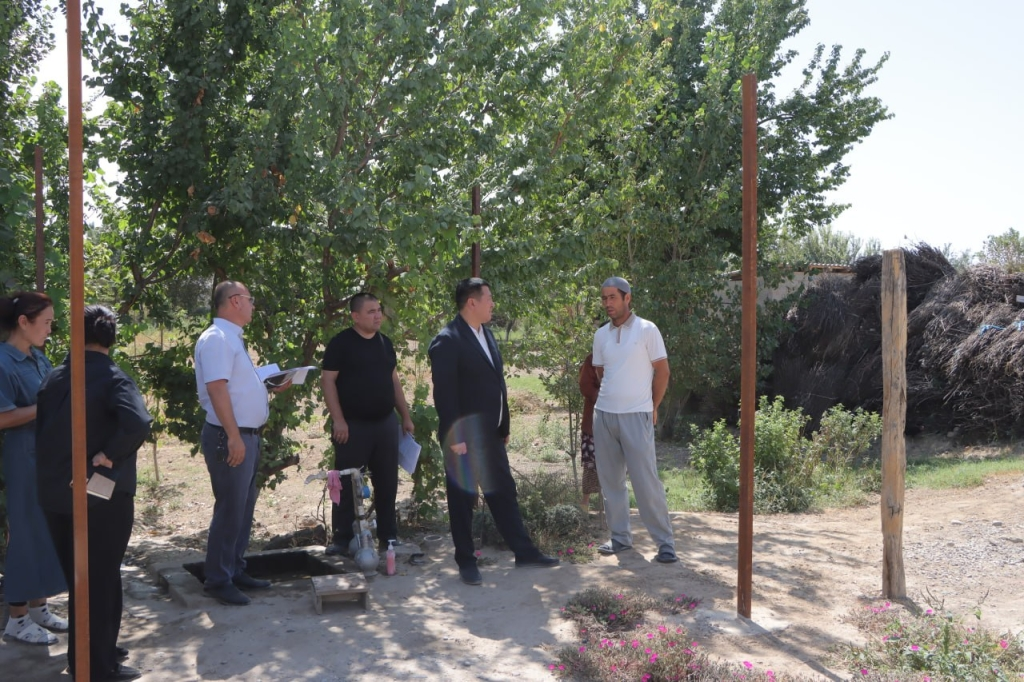
The purpose of studying the situation of 146 families in the "Tajribakor" mahalla, identifying their potential, and determining individual measures for each, is precisely this—to establish a stable source of income in every household, ensure employment for the population, and increase family well-being.
Because a prosperous mahalla does not form on its own. It thrives, first and foremost, on the foundation of families that are economically stable, working, and earning a decent income. Therefore, going into every home today to study its problems and potential is an important step toward a prosperous life tomorrow.
G'ulom Primov, UzA correspondent