The “C5+1” format is a milestone in Central Asian diplomatic history
-
A Momentous Event is Unfolding on the International Stage
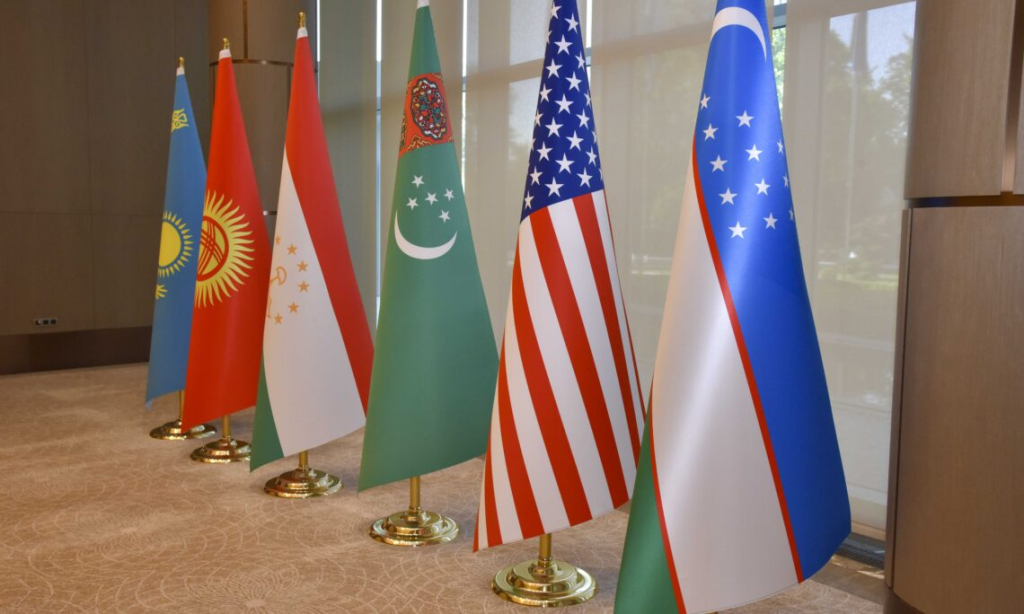
President of the Republic of Uzbekistan Shavkat Mirziyoyev has arrived in Washington to take part in the historic summit of the leaders of Central Asia and the United States in the “C5+1” format – a diplomatic platform that embodies a decade of constructive cooperation and mutual respect between the five Central Asian states and America. This event, dedicated to the 10th anniversary of the initiative, is marked by its scope, dignity, and clear recognition of each participant’s contribution to strengthening regional stability and the well-being of their peoples.
The “C5+1” format is not merely an institution for meetings and consultations. It is an expression of the political will of the five independent Central Asian states to act together, to find constructive responses to the challenges of globalization, while simultaneously maintaining each country’s uniqueness and sovereignty. In this diplomatic architecture, Uzbekistan has played a role that can rightfully be described as leading and increasingly influential.
Origins of the Format: The Birth of a Partnership Idea
The concept of the “C5+1” diplomatic platform was conceived in 2015 on the sidelines of the 70th session of the United Nations General Assembly. On September 26, U.S. Secretary of State John Kerry met with the foreign ministers of the five Central Asian countries. The initiative was ambitiously framed: to establish a multilateral dialogue mechanism that enables Washington and the capitals of Central Asia to discuss strategic issues in a spirit of mutual respect and recognition of each side’s sovereignty.
Notably, in his address, Kerry emphasized: “This is not a zero-sum game. Every country has the right to manage its relations with any country of its choosing; to be free from external pressure and intimidation. And that’s the fundamental principle that brought us to this table”. The first summit took place on November 1, 2015, in Samarkand, Uzbekistan.
These words defined the essence of the format—not as a tool of pressure, but as a platform for equal dialogue. The initiative’s launch reflected the United States’ intention to strengthen its presence in the region, as well as the desire of the five Central Asian states to diversify their foreign policy ties and gain access to investment, technology, and expertise.
Uzbekistan: From Participation to Leadership
From the very beginning, the Republic of Uzbekistan has been an active force in shaping the agenda and practical outcomes of the “C5+1” format. Uzbekistan’s geopolitical position – bordering all four of its Central Asian neighbors – predestined it to play a natural role as a coordinator of regional initiatives.
Following the election of President Shavkat Mirziyoyev in 2016, Uzbekistan’s foreign policy underwent a qualitative transformation. The country shifted from relative isolation to an open, multi-vector approach focused on expanding cooperation with its neighbors and the global community.
Within the “C5+1” framework, Uzbekistan has put forward initiatives that have become key components of cooperation: the introduction of international standards in agriculture and the textile industry, the development of alternative transport routes, the implementation of a green agenda, and the promotion of food security. The first summit of heads of state in September 2023 marked a turning point, transforming the format from a dialogue platform into a venue for the practical implementation of projects.
Architecture of Cooperation
Over the past decade, the “C5+1” format has evolved into a structured system based on three working groups. The first focuses on economic cooperation through the Trade and Investment Framework Agreement (TIFA), established in 2004. The second is dedicated to energy and environmental issues, including the Critical Minerals Dialogue, launched in 2024. The third group addresses regional security, countering terrorism and extremism.
Uzbekistan positions itself as a country with significant reserves of critical minerals (such as copper, molybdenum, gold, and uranium) and is committed to their environmentally responsible development. The Memorandum of Understanding signed between Uzbekistan and the United States in this area (2024) highlights Washington’s recognition of Uzbekistan’s potential.
Practical Achievements
Over the past ten years, the “C5+1” format has transitioned from rhetoric to the implementation of concrete projects. In 2022, a permanent bureau of the “C5+1” Secretariat was established. The Power Central Asia program (USAID) strengthens human capital, while the “B5+1” forum (2024) brings together American and Central Asian business leaders, investors, and entrepreneurs. The U.S. International Development Finance Corporation (DFC) is investing in energy projects, infrastructure, and technological startups.
Transformation of Uzbekistan: Context of Achievements
Uzbekistan’s accomplishments within the “C5+1” framework are inseparable from the profound domestic reforms carried out under the leadership of President Shavkat Mirziyoyev. Since 2016, the country has transitioned from a centrally planned economy to a market-oriented system.
The macroeconomic indicators are impressive. The UN Sustainable Development Goals Index rose from 48.6 points in 2015 to 73.1 in 2025, positioning Uzbekistan first among Central Asian states and 62nd out of 167 countries worldwide. The poverty rate decreased from 17.5% in 2015 to 8.9% in 2024, putting the nation on track to meet its 6% target by the end of 2025. Over 7.5 million people have risen above the poverty line.
Education is a core component of the Uzbekistan 2030 Strategy. Preschool enrollment has increased to 74%, and the number of kindergartens is nearing 34,000. Reforms of the mahalla system and the introduction of a Unified Social Registry have ensured targeted assistance to vulnerable families. Economic diversification has reduced reliance on raw materials; tourism has been designated a priority sector, reflected in the expansion of visa-free travel from 9 to 93 countries.
Uzbekistan in the “C5+1” Framework
Uzbekistan is actively shaping the agenda of the “C5+1” format, guided by the principle of multi-vector diplomacy. The Uzbekistan 2030 Strategy reinforces deepened engagement with all key international actors while prioritizing national interests. Uzbekistan is consistently advancing initiatives in areas such as critical minerals, green energy, and alternative transport corridors, demonstrating its ability to balance among different geopolitical powers.
Challenges and Prospects
The “C5+1” format requires translating discussions into tangible projects with defined timelines and budgets. Expanding the framework to include additional participants, such as Afghanistan, India, and European nations, is a prospective direction. A critical factor remains the involvement of civil society and the private sector, both of which are essential to the partnership’s long-term success.
Vision for the Future
President Mirziyoyev’s arrival in Washington in November 2025 marks the beginning of a new phase in the development of the “C5+1” format. The summit, organized by the U.S. administration, highlights the strategic nature of the partnership with Central Asia.
For Uzbekistan, this presents an opportunity to convert agreements into substantial investments and to gain access to renewable energy technologies, digitalization, and artificial intelligence. Development of the critical minerals sector could position Uzbekistan as a strategic partner for the West in the global energy transition. Success will be measured not by the number of signed documents, but by tangible improvements in the lives of the Uzbek people – through employment, income growth, and enhanced quality of education and healthcare.
Conclusion
The decade-long evolution of the “C5+1” format demonstrates that constructive dialogue based on mutual respect and shared benefit is possible in today’s world. Thanks to the forward-looking policy of President Shavkat Mirziyoyev, Uzbekistan has positioned itself not merely as a participant in this dialogue but as an active architect shaping the agenda and defining the future direction.
History shows that regions can emerge as centers of influence when they possess a clear vision for the future, the determination to implement it, and a readiness to collaborate fruitfully with partners. Uzbekistan exemplifies this approach – transforming historic opportunities into practical achievements.
As Central Asia enters the second decade of engagement with the United States through the “C5+1” format, it is becoming clear that this framework has the potential to evolve into a tool for genuine regional autonomy and sustainable development. For Uzbekistan, this presents a historic opportunity to strengthen its position as a center of regional integration, ensuring peace, stability, and prosperity for all the peoples of Central Asia.
On the threshold of a new chapter in cooperation, the spirit of constructivism, laid as the foundation of the “C5+1” format ten years ago, has not only preserved its relevance but also gained new momentum. This inspires confidence that in the coming years, Uzbekistan and its Central Asian neighbors will be able to turn their ambitions into tangible results, bringing benefits to all the peoples of the region and the global community.
Abduaziz Khidirov, UzA