A delegation of the Tax Committee of Uzbekistan is on a working visit to Moscow, where it is becoming acquainted with the activities of the Federal Tax Service of Russia.

On the first day of the visit, the parties discussed in detail issues related to tax control over the incomes of bloggers and other individuals engaged in activities on the Internet. Approaches to accounting for income from online activity in the digital economy, as well as measures to ensure transparency and improve tax compliance, were discussed.

During the negotiations, special attention was paid to establishing effective cooperation with representatives of the media community to strengthen public trust. Key areas of cooperation identified included increasing the transparency of information policy, establishing open dialogue with the public, and the effective use of digital tools.

In addition, practical aspects of developing user-friendly electronic services for taxpayers, improving mechanisms for interaction with them, and simplifying procedures and reducing administrative burden were considered.

Sh. Mamaturopova, UzA

English
Chinese
Turkish
Tajik
Kyrgyz
Turkmen
Japanese
Arabic
English
French
Spanish
Русский
German
Ўзбек
Oʻzbek
Қазақ
Tax authorities of Uzbekistan and Russia exchange experience
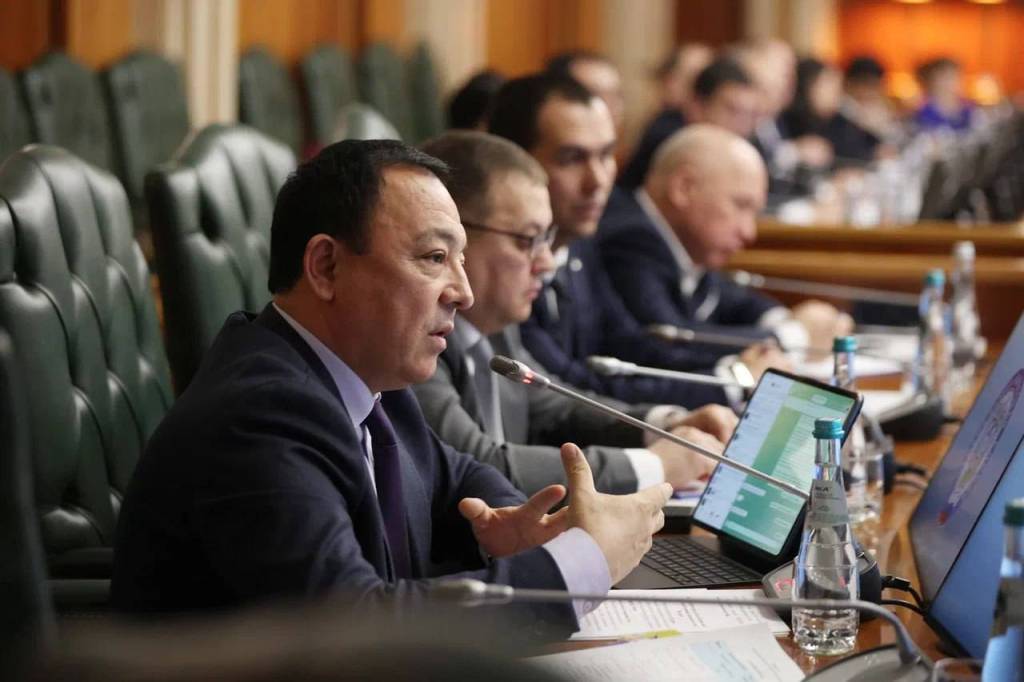
A delegation of the Tax Committee of Uzbekistan is on a working visit to Moscow, where it is becoming acquainted with the activities of the Federal Tax Service of Russia.

On the first day of the visit, the parties discussed in detail issues related to tax control over the incomes of bloggers and other individuals engaged in activities on the Internet. Approaches to accounting for income from online activity in the digital economy, as well as measures to ensure transparency and improve tax compliance, were discussed.

During the negotiations, special attention was paid to establishing effective cooperation with representatives of the media community to strengthen public trust. Key areas of cooperation identified included increasing the transparency of information policy, establishing open dialogue with the public, and the effective use of digital tools.

In addition, practical aspects of developing user-friendly electronic services for taxpayers, improving mechanisms for interaction with them, and simplifying procedures and reducing administrative burden were considered.

Sh. Mamaturopova, UzA