Tashkent hosts First National Dialogue on Business and Human Rights
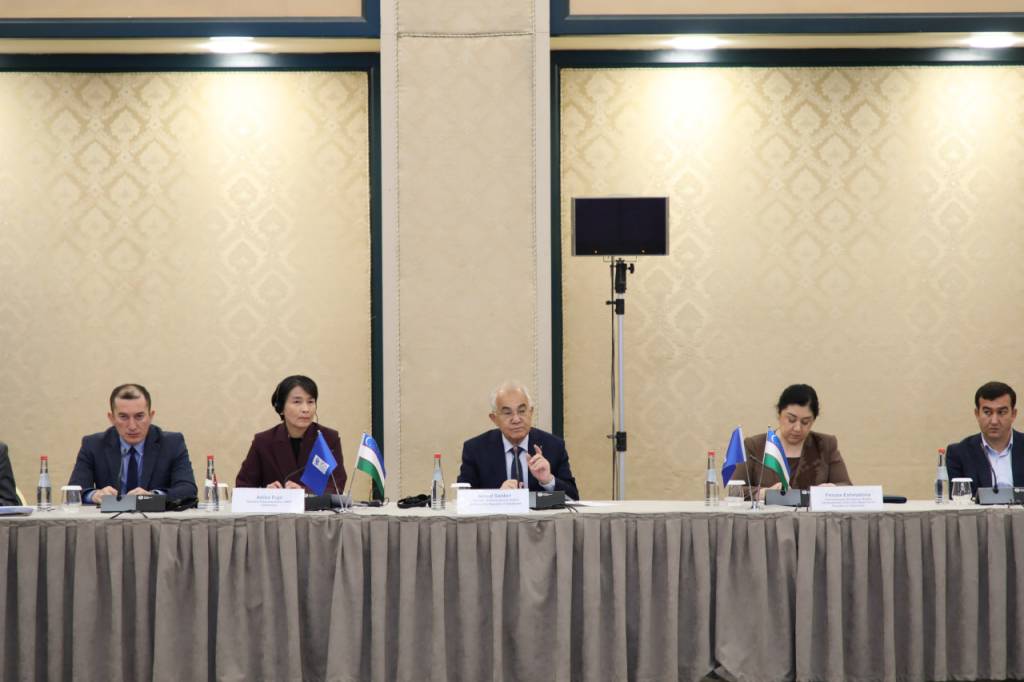
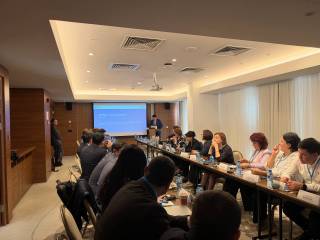
Tashkent hosted the First National Dialogue on Business and Human Rights in Uzbekistan on “Unlocking the Way Forward”. The National Dialogue was organized as part of the joint “Business and Human Rights” project of the National Centre of the Republic of Uzbekistan for Human Rights and the United Nations Development Programme (UNDP).
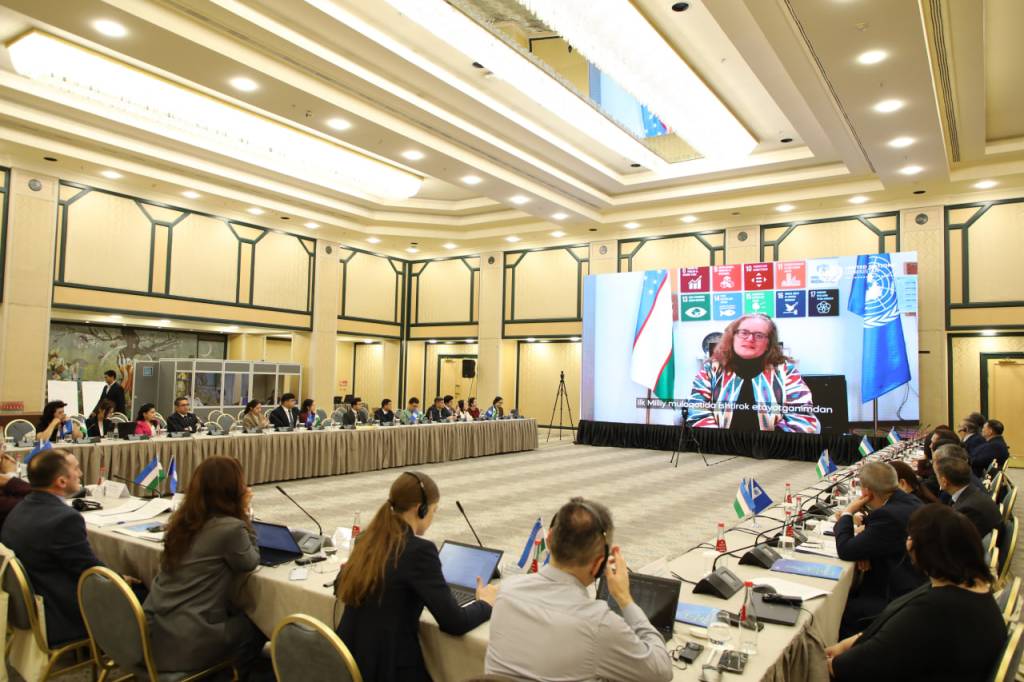
The event, held in a hybrid format, was attended by representatives of state bodies, the chambers of the Oliy Majlis, workers’ and employers’ organizations, entrepreneurs, academic institutions, non-governmental non-profit organizations and international organizations.
Academician Akmal Saidov, Director of the National Centre of the Republic of Uzbekistan for Human Rights, and Akiko Fujii, UNDP Resident Representative in Uzbekistan, opened the National Dialogue. Sabine Machl, UN Resident Coordinator in Uzbekistan, also addressed the event via video message.
As President of the Republic of Uzbekistan Shavkat Mirziyoyev has emphasized, “The richer our entrepreneurs are, the more prosperous our people will live and the more powerful our state will be. The success of an entrepreneur is the success of our entire nation”.
Therefore, the sustainable development of the national economy at high rates is of great importance for ensuring human interests, Academician A. Saidov said in his speech.
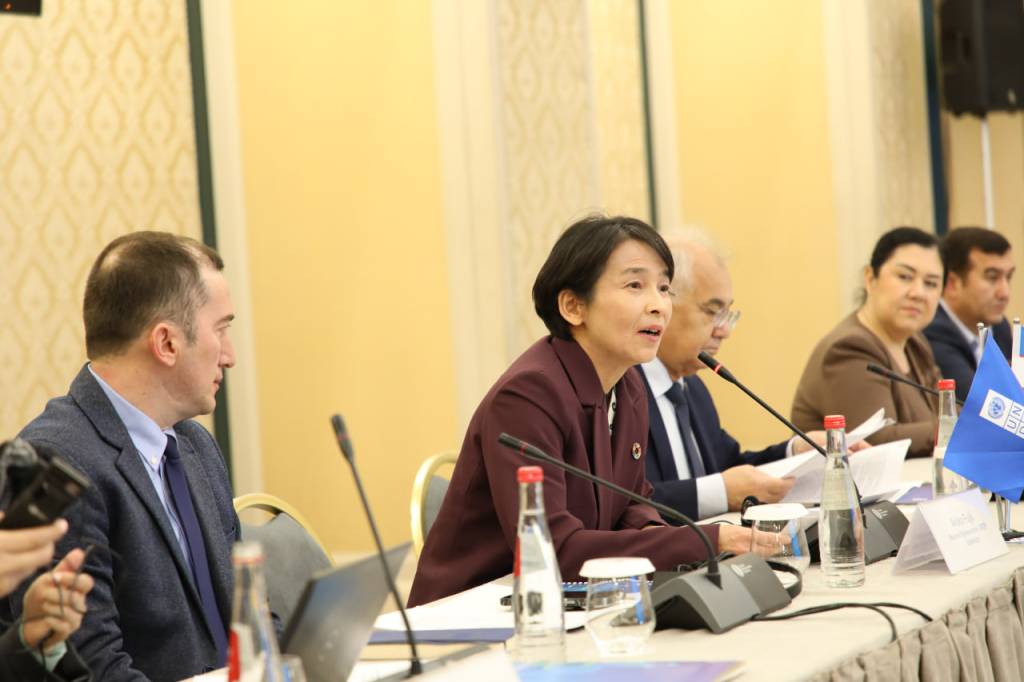
The Director of the National Centre recalled Uzbekistan’s negotiations on accession to the World Trade Organization, as well as its request in 2026 to begin the process of adhering to the Declaration on International Investment and Multinational Enterprises of the Organisation for Economic Co-operation and Development. He also provided information on the draft National Action Plan on Business and Human Rights developed by the National Centre.
The first session examined global and regional trends in business and human rights, the Organisation for Economic Co-operation and Development’s responsible business conduct standards, and their significance for trade, investment, and supply chains.
The second session presented the results of the National Baseline Assessment prepared at UNDP’s request. According to the assessment, the elements necessary for this area exist in Uzbekistan, but they have not yet been brought together into a coherent national system. Risks related to labor rights, the environment and local communities persist in agriculture, construction and manufacturing.
The afternoon discussions focused on the state duty to protect against business-related human rights abuses and the corporate responsibility to respect human rights through due diligence.
In the third session, representatives of the National Centre, the Ministry of Investment, Industry and Trade and the Ministry of Poverty Reduction and Employment took the floor.
Following the Dialogue, participants discussed priority areas for further cooperation and steps towards preparing the next National Action Plan on Business and Human Rights. The results of the Dialogue will be summarized by the National Centre and UNDP.
As part of the event, a one-day training on human rights due diligence was held for representatives of state bodies and civil society organizations.
Nazokat Usmonova, UzA