Strengthening security in the CIS region
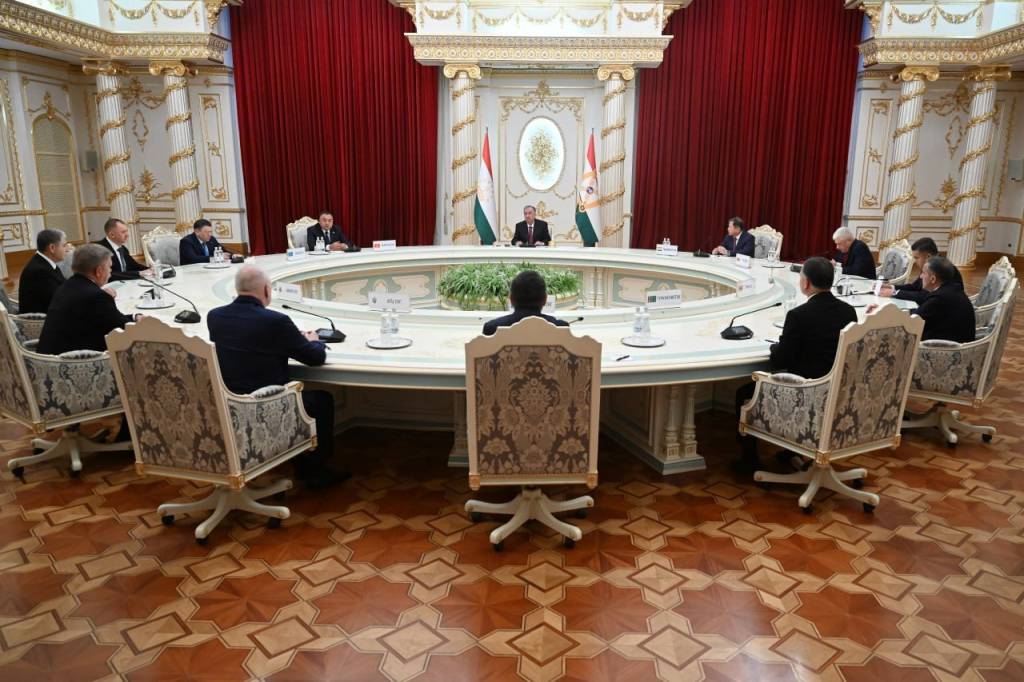
A delegation led by the Minister of Internal Affairs of the Republic of Uzbekistan Aziz Tashpulatov attended the regular meeting of the Council of Ministers of Internal Affairs of the member states of the Commonwealth of Independent States in Dushanbe.
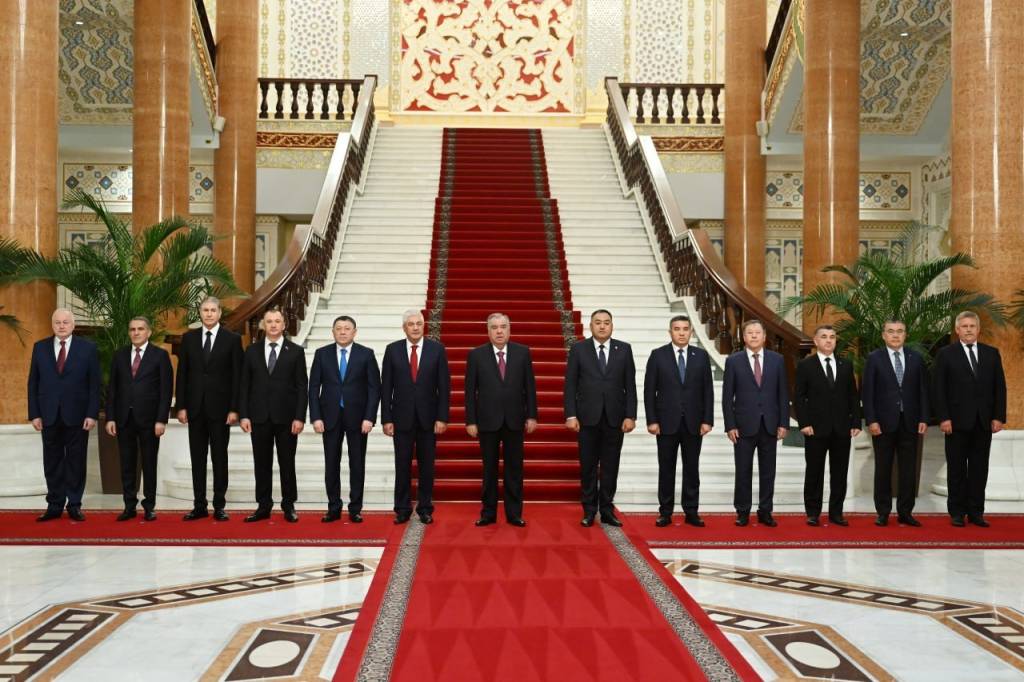
As part of the event, the President of the Republic of Tajikistan Emomali Rahmon received the heads of delegations.
The meeting focused on enhancing the effectiveness of international cooperation to combat terrorism, extremism, drug trafficking, and organized crime, and on ensuring cybersecurity, countering illegal migration, and providing tourist safety.
The President of Tajikistan expressed satisfaction that economic and political cooperation among the CIS member states, including law enforcement collaboration, is steadily developing and reaching a new level. He highlighted the need to strengthen regional unity and coordinate joint efforts.
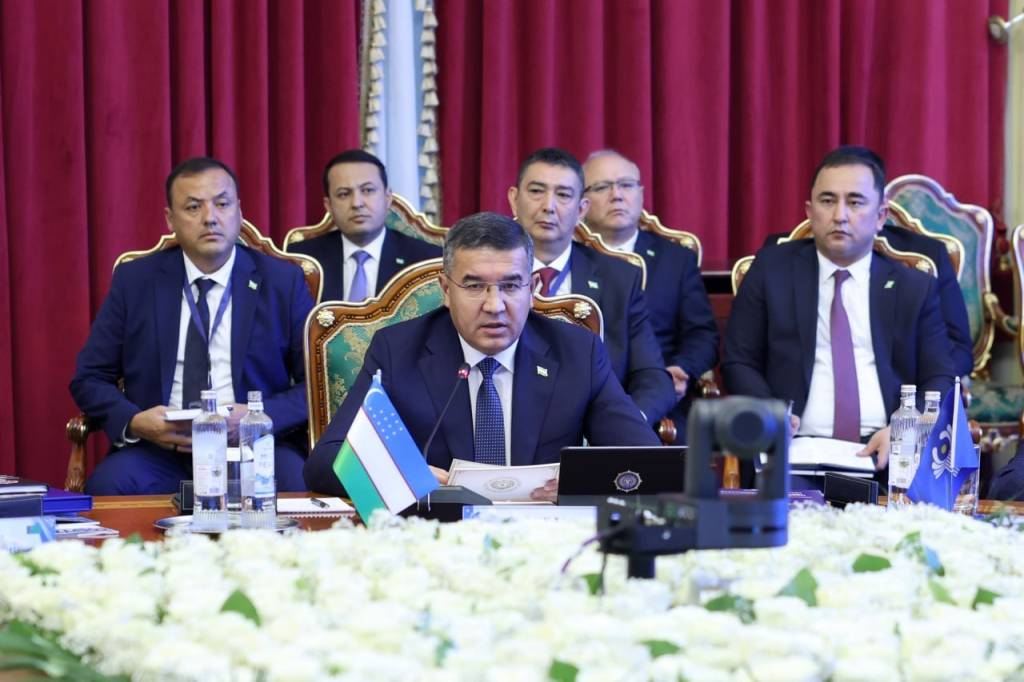
The Council of Ministers of Internal Affairs meeting was also attended by the heads of the Ministries of Internal Affairs of Azerbaijan, Armenia, Belarus, Kazakhstan, Kyrgyzstan, Russia, Tajikistan, and Turkmenistan. Officials from the Bureau for Coordinating the Fight Against Organized Crime and Other Dangerous Types of Crime on the Territory of the CIS Member States, the CIS Executive Committee, and the CIS Anti-Terrorism Center also participated in the event.
The parties discussed priority issues in multilateral and bilateral cooperation within the CIS, as well as the implementation of the Interstate Program of Joint Measures to Combat Crime for 2029-2033, adopted by the Council of Ministers of Internal Affairs.
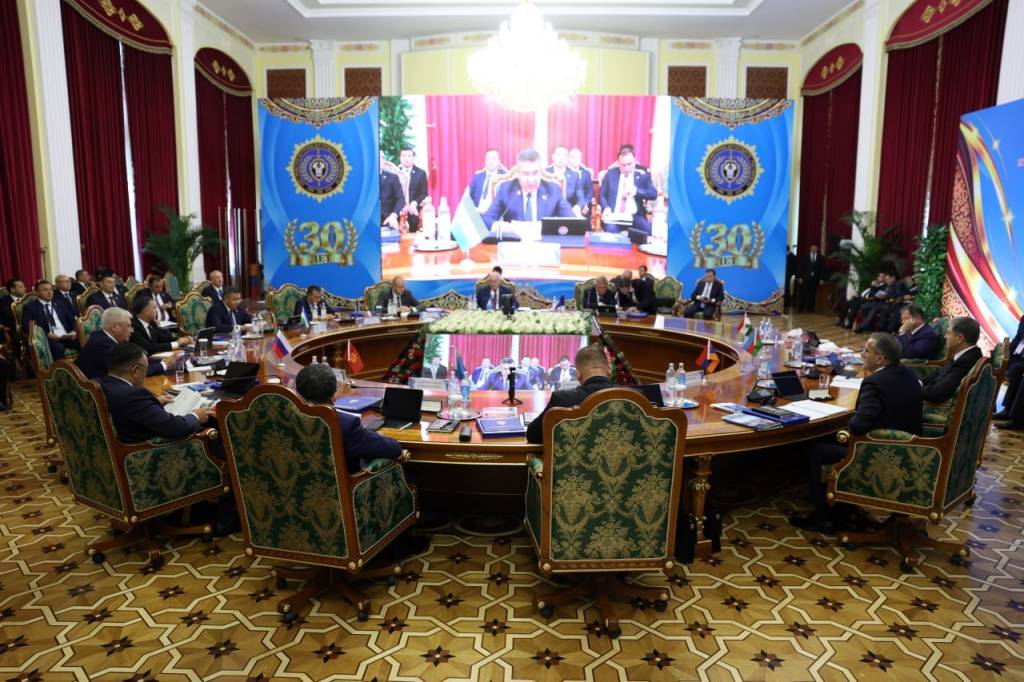
During the event, several documents were signed covering promising areas such as electronic information exchange among regional internal affairs bodies, the exchange of genomic data in the field of crime prevention, improving the regulatory framework for combating illegal migration, developing cooperation in the interstate search for persons, and combating transnational crime in the information and communication technologies and other types of offenses.
The Council members unanimously approved a key Uzbekistan initiative to organize meetings for the heads of cybercrime units within the ministries of internal affairs of the CIS member states.
Given the cross-border nature of contemporary cybercrime, this initiative focuses on establishing a direct, confidential dialogue between operational management and on streamlining bureaucratic processes.
Regular meetings provide an opportunity to share best practices, analyze IT threats, and develop effective strategies to combat transnational cybercrime in the virtual space.
During the event, held in a friendly and constructive atmosphere, the parties agreed to further develop institutional cooperation and to implement joint, results-oriented projects.
Norgul Abduraimova, UzA