Samarkand Dialogue: Young Parliamentarians of the World, United and Aligned for Law, Justice, and a Worthy Future
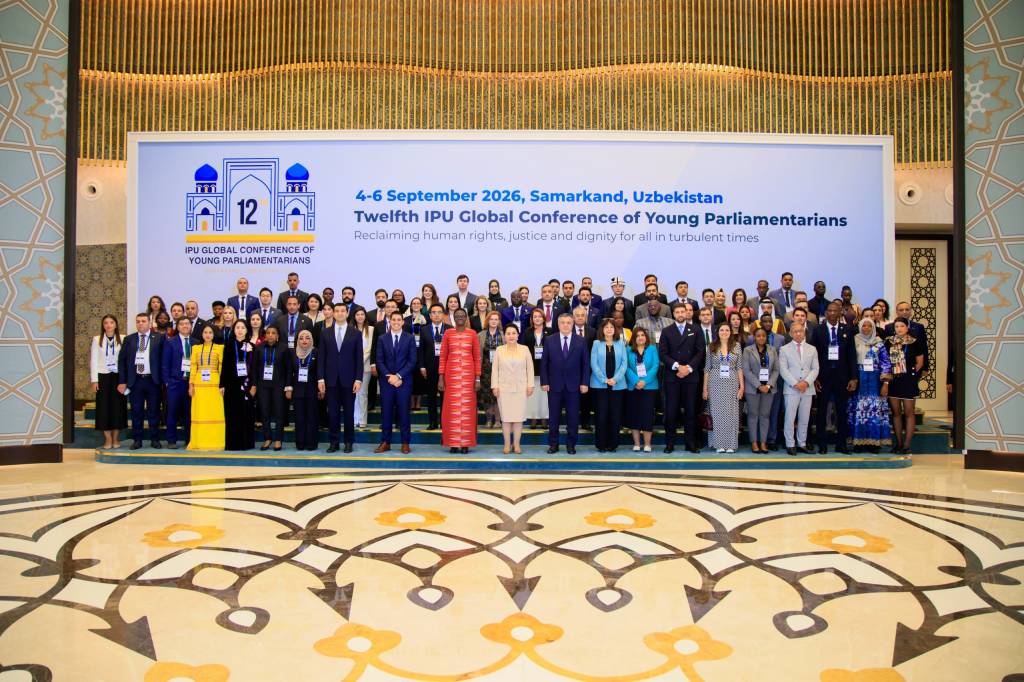
In Samarkand, young parliamentarians from around the world united around a single truth: today, it is not enough to make decisions about youth—they must be direct co-authors of those decisions.
Indeed, in a complex era when human rights, justice, and human dignity are undergoing a serious test, the voice, initiative, and political participation of the younger generation are more important than ever.
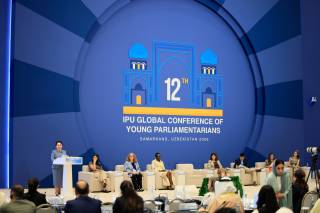
To this end, on the initiative of the President of Uzbekistan, Shavkat Mirziyoyev, the 12th Global Conference of Young Parliamentarians of the Inter-Parliamentary Union (IPU) was held in the ancient city of Samarkand from September 4-6, 2024.
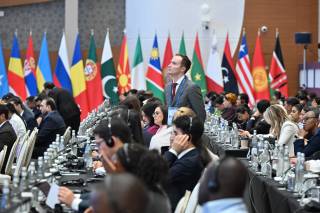
The conference, which brought together young parliamentarians from 60 countries, representatives of 13 international organizations—about 250 delegates in total—as well as senators, deputies, representatives of state and public organizations, youth, and media workers, was dedicated to the theme "Restoring human rights, justice, and human dignity in a complex era."
This was no ordinary platform for dialogue. For three days, Samarkand became an important international stage where young parliamentarians shared the experiences and challenges of their countries, sought common solutions to global problems, and, most importantly, defined the responsibility and role of youth in resolving them.
The congratulatory message from the President of Uzbekistan to the conference participants also lent the event special political significance. It emphasized the importance of shaping practical approaches aimed at ensuring the rights and interests of youth, supporting effective initiatives, and further strengthening inter-parliamentary cooperation.
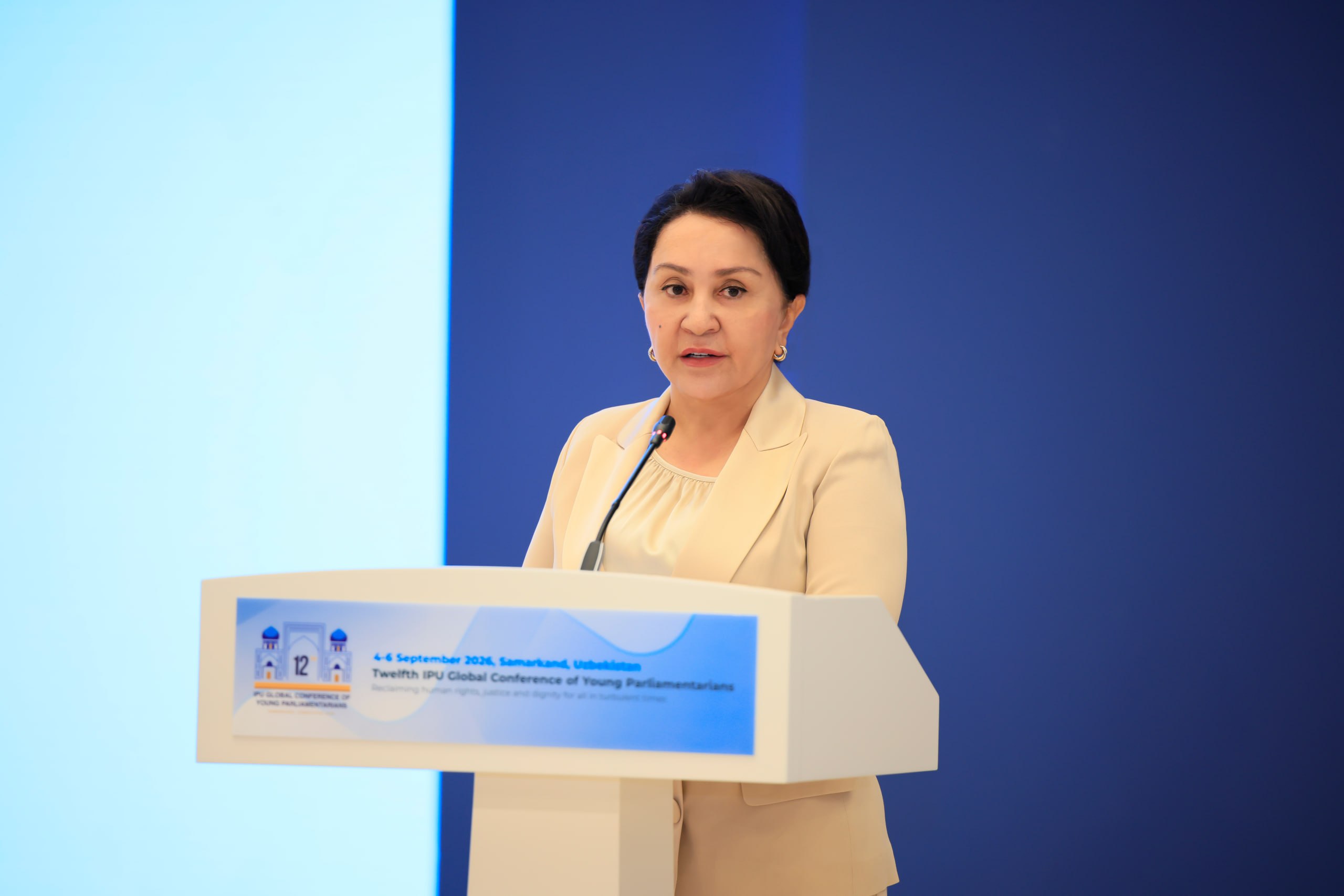
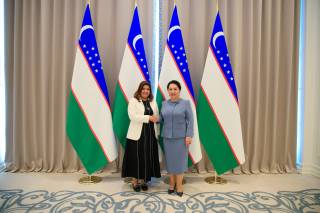
In her speech, Tanzila Narbayeva, Chairperson of the Senate of the Oliy Majlis of the Republic of Uzbekistan, stressed the need for a fundamental change in the approach to young people. In other words, youth should not be the object of policy but co-authors of decisions. This requires the systematic involvement of young people not only in discussions but also in the processes of shaping laws, budget decisions, and state policy.
The essence of this approach is that it is not enough to simply recognize the rights of young people. It is necessary to turn their rights into real opportunities, create clear mechanisms for their political participation, and effectively implement adopted international documents into national practice.
Ancient Samarkand became the point where these ideas converged. Young parliamentarians from different countries, with diverse experiences and perspectives, were united by the common goal of building a decent life, justice, and a sustainable future for all people.
IPU President Tulia Ackson emphasized that young parliamentarians must demonstrate an uncompromising stance against human rights violations and boldly raise the issue of justice and accountability from the parliamentary rostrum. IPU Secretary General Martin Chungong noted that the broad involvement of youth in decision-making processes is an important condition for developing effective policy.
Felipe Paullier, UN Assistant Secretary-General for Youth Affairs and Head of the UN Youth Office, also noted the practical significance of the Samarkand dialogues. He stated that the conference opened new opportunities for forming more effective institutions by combining the best ideas and experiences of different generations.
The conference agenda also clearly demonstrated the scale of the problems faced by today's youth. Issues such as protecting youth rights in conflict situations, digital rights and security, climate change, decent work and employment, the political participation of youth and women, and the prevention of violence were discussed in detail.
One aspect stood out during the discussions: in the modern world, young people should not be mere observers of global changes but active participants and initiators of these processes.
From this perspective, issues such as the responsible use of digital transformation and artificial intelligence, combating climate change, and ensuring youth employment are becoming part of today's policy agenda, not just a matter for future generations.
During the open dialogues and panel discussions held within the framework of the conference, representatives of parliaments, the UN, the IPU, civil society institutions, and experts participated. At a special session dedicated to the role of parliaments in achieving the Sustainable Development Goals (SDGs), the role and capabilities of the legislative branch in implementing national development goals were discussed.
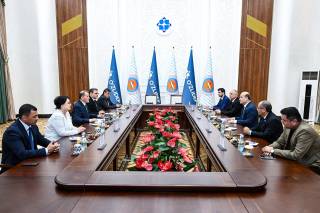
The dialogues between the Senate of Uzbekistan and international organizations during the conference also provided an important foundation for new initiatives. The meetings focused on strengthening parliamentary diplomacy, widely involving youth in decision-making processes, developing the activities of youth parliaments, and expanding the exchange of international experience.
This process also highlighted the consistent development of cooperation between Uzbekistan and the IPU. The upcoming 150th IPU Anniversary Assembly in Tashkent in 2025 and our country's hosting of a series of prestigious parliamentary events testify that this cooperation has reached a new level.
One of the most important outcomes of the conference in Samarkand was the transformation of discussions into a concrete document. At the conclusion of the event, the final document of the Samarkand Global Conference was adopted, based on the issues raised and the proposals and initiatives put forward.
In conclusion, the three-day global dialogue in Samarkand was not limited to simply gathering young parliamentarians. It was a significant step toward shaping new approaches to youth political participation, human rights, and justice, as well as strengthening cooperation around common goals.
[gallery-31263]
Norgul Abduraimova,
Alisher Isroilov (photo), UzA