Results of Rural Infrastructure Development Project reviewed
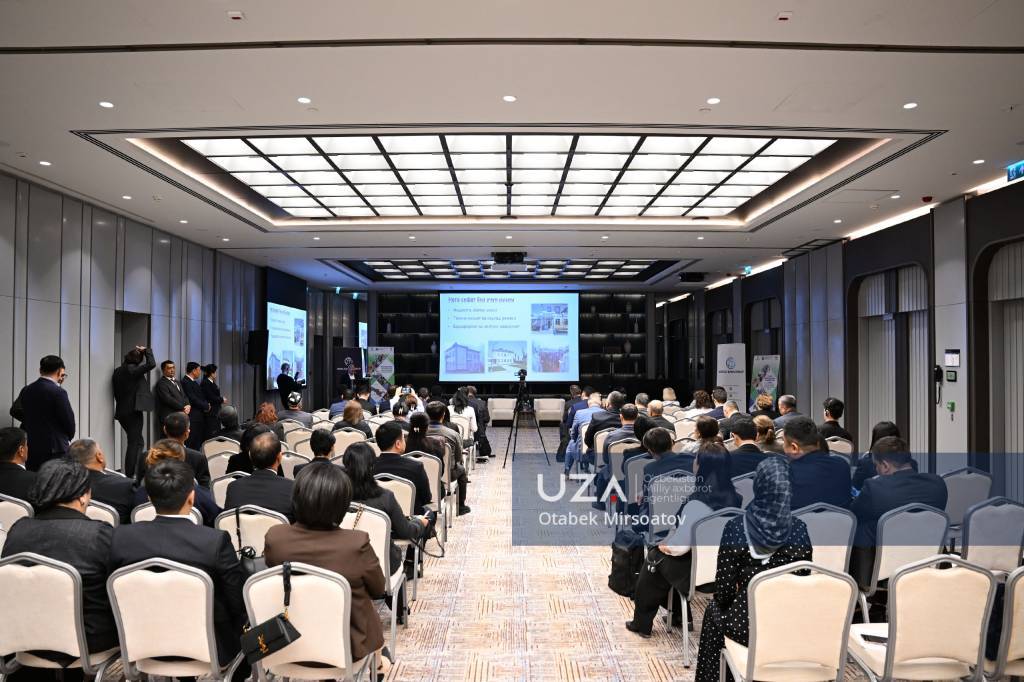
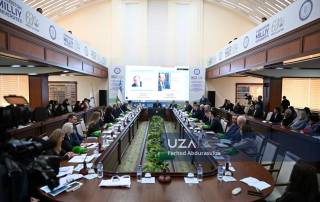
Tashkent hosted a conference to review achievements in rural development, exchange experiences and discuss the integration of projects into government programs.
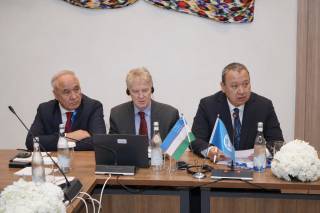
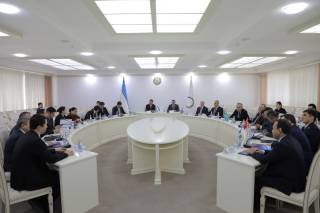
The event was attended by representatives of government agencies, international financial institutions, civil society and mahallas where the project is being implemented.
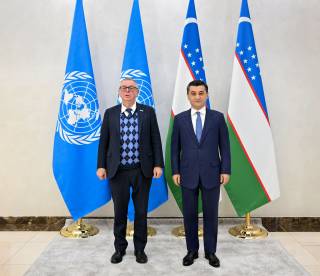
The Deputy Minister of Economy and Finance Khurshed Mustafayev, World Bank Division Director for Central Asia Najy Benhassine and other speakers emphasized the importance of developing rural infrastructure, supporting community initiatives and taking local needs into account.
The results of the first phase of the Rural Infrastructure Development Project, implemented by the Ministry of Economy and Finance in cooperation with the World Bank Group and the Asian Infrastructure Investment Bank, were reviewed at the event. The objectives of its second phase were discussed.
The first phase of the project, covering 2019-2026, was financed through $100 million from the International Development Association (IDA), a member of the World Bank Group, and $82 million from the Asian Infrastructure Investment Bank (AIIB). These funds were allocated to implement more than 900 small-scale infrastructure projects in 306 mahallas across Andijan, Fergana, Namangan, Jizzakh and Syrdarya regions.
In particular, roads, electricity and water supply networks were built and upgraded. Schools, preschools and bridges were also constructed or renovated. As a result, approximately 1 million rural residents benefited directly from these improvements, about half of whom were women.
The second phase of the project was also presented. Its total budget is $320 million, financed through contributions from the International Development Association, the Asian Infrastructure Investment Bank and the Government of Uzbekistan.
It was noted that the program is being implemented by the Ministry of Economy and Finance in 296 mahallas across Andijan, Fergana, Namangan, Jizzakh, Syrdarya and Tashkent regions. By 2031, it is expected to benefit approximately 1.2 million people, including 600,000 women and 300,000 young people.
Participants reviewed the results of efforts to develop rural infrastructure and identified priority objectives for the project’s second phase.
[gallery-32347]
Nasiba Ziyodullayeva, UzA