Remarks by SCO Secretary-General
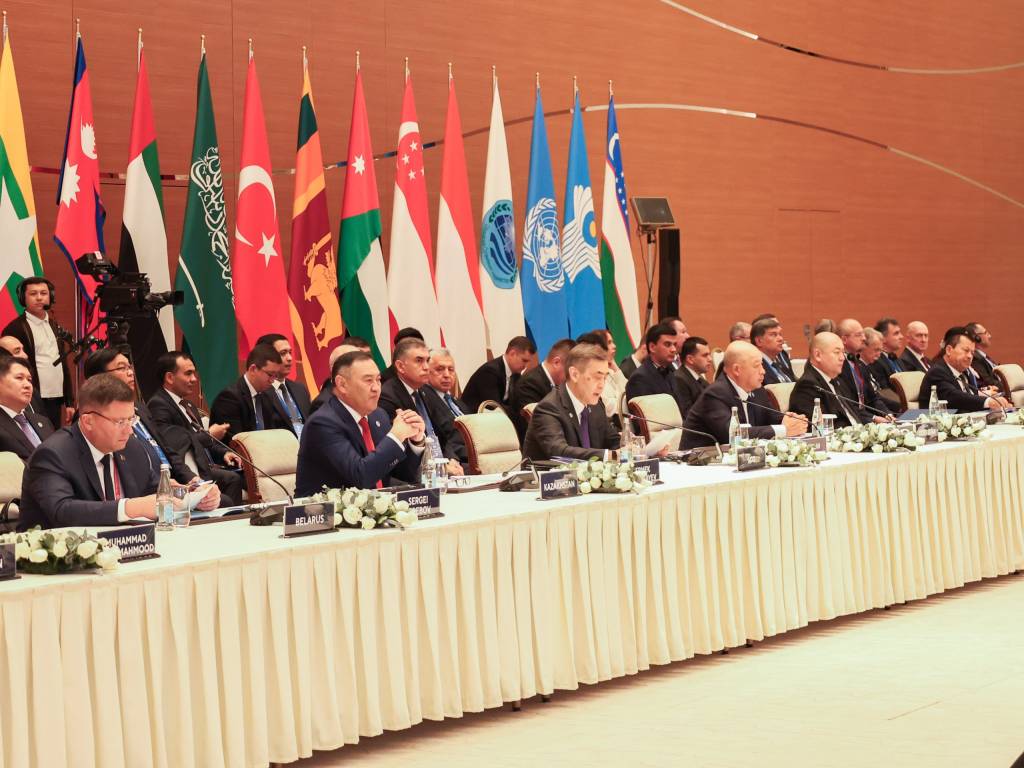
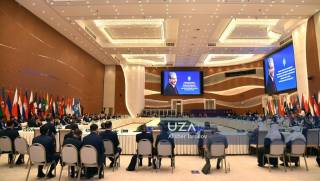
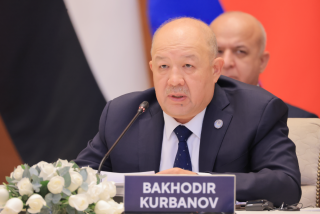
Nurlan Yermekbayev, Secretary-General of the Shanghai Cooperation Organization (SCO), addressed the First SCO Plus Expert Dialogue on Security Issues in Samarkand.
In his remarks, the SCO Secretary-General expressed gratitude to the President of Uzbekistan Shavkat Mirziyoyev for proposing the forum at the Organization’s 2024 summit in Astana. He noted that cooperation in this format helps foster a broad international partnership.
As the SCO Secretary-General emphasized, over the past quarter-century, the Organization has evolved into a respected transregional multilateral grouping that brings together countries with diverse political systems, cultural traditions and national priorities. He also noted that, by unanimous agreement among the leaders of the member states, Central Asia had been designated as the SCO’s core.
Particular attention was paid to ensuring peace, stability and development in Afghanistan, which are of great importance for regional security.
“The SCO reaffirms its commitment to Afghanistan’s development as an independent, neutral and peaceful state free from terrorism, war and drugs, as well as its readiness to support international efforts to ensure peace, stability and development in the country”, Nurlan Yermekbayev stated.
The SCO Secretary-General highlighted key decisions adopted at the SCO Heads of State summit held in Bishkek in early September 2026. These included approving regulations governing the SCO Universal Center for Countering Challenges and Threats to the Security of Member States and the Executive Committee of the SCO Anti-Drug Center. Programs to combat drug addiction and the spread of synthetic drugs and their precursors through 2030 were also adopted.
In conclusion, Nurlan Yermekbayev outlined priority areas for future cooperation, including closer engagement among experts, addressing emerging technological challenges and risks, developing joint measures to combat terrorism, extremism, transnational organized crime, illicit drug trafficking, and money laundering, strengthening preventive diplomacy and a culture of dialogue.
UzA