President visits the new Centre for Contemporary Arts
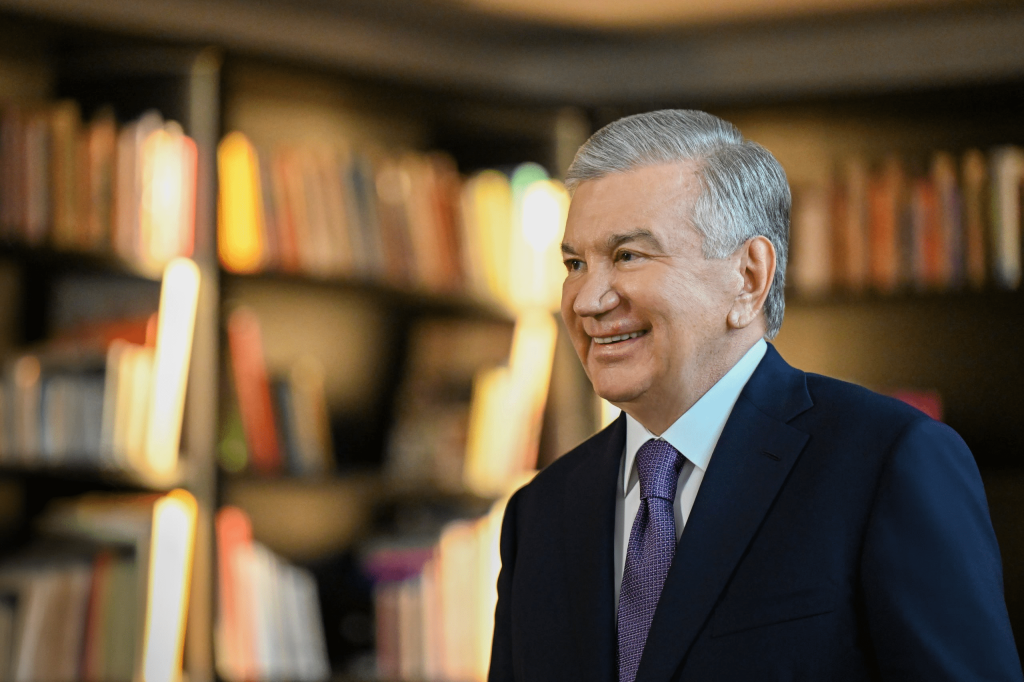
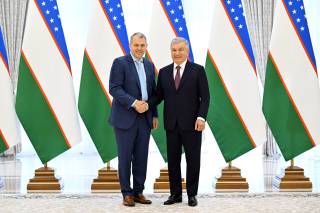
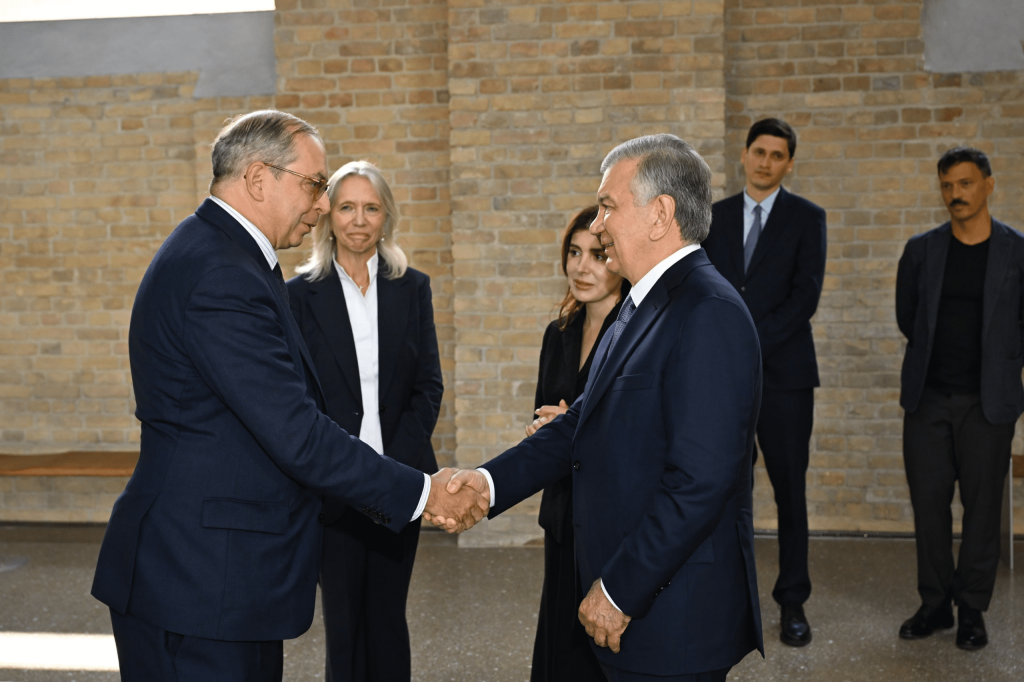
President Shavkat Mirziyoyev visited the new Centre for Contemporary Arts in Tashkent to review the facilities and conditions provided there.
The Centre for Contemporary Arts is one of the flagship projects of the Uzbekistan Art and Culture Development Foundation. Its establishment is the result of the Head of State’s initiative and the consistent efforts underway in the country to develop culture, support the creative environment, and expand international cultural cooperation.
The Head of State noted that the Uzbek people’s rich cultural heritage and glorious history rightly arouse great interest worldwide. In recent years, systematic efforts have been undertaken in the country to restore, preserve, and widely promote this invaluable heritage.
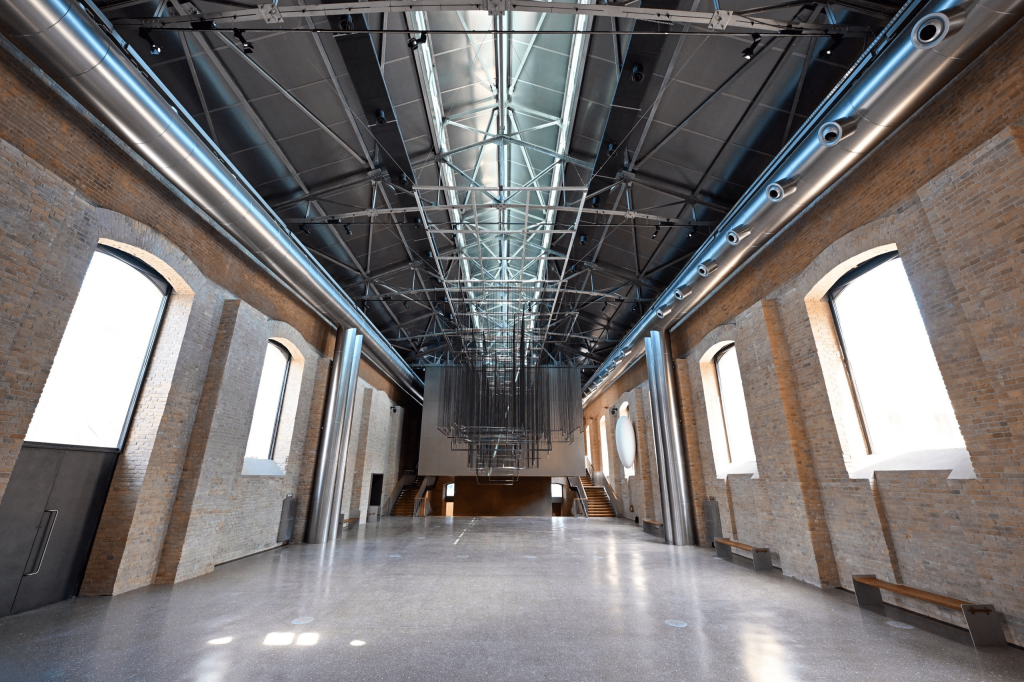
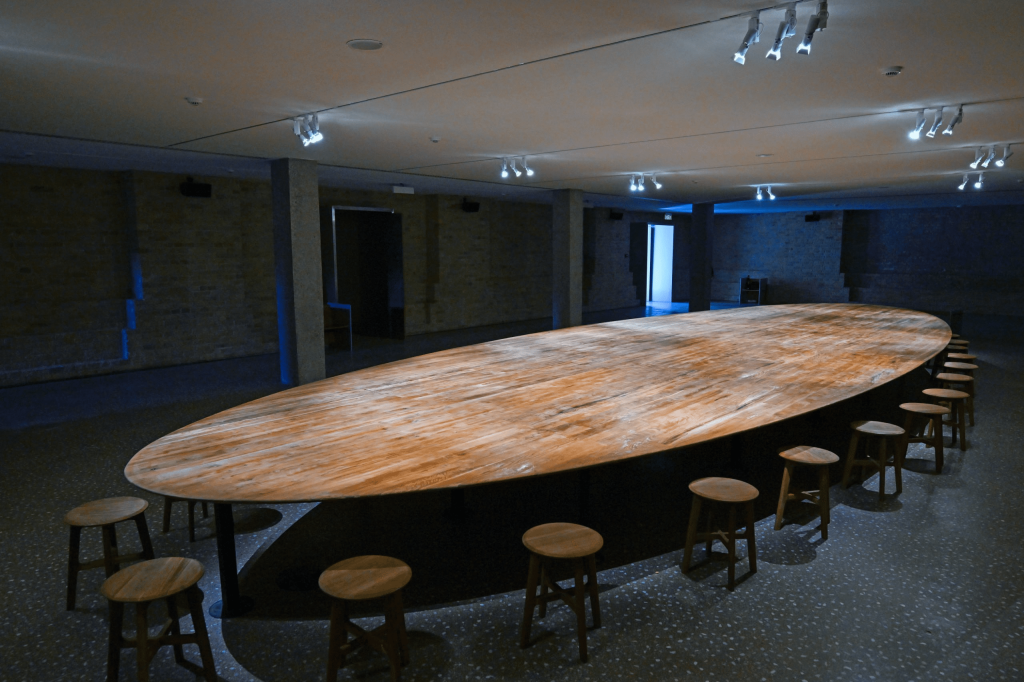
At the same time, the President emphasized the importance of consistently developing contemporary art. Contemporary art reflects the worldview, creative pursuits, and constructive potential of today’s generation, while creating important opportunities to expand cultural dialogue with the international community and strengthen New Uzbekistan’s cultural image.
From this perspective, the new Centre for Contemporary Arts should serve as an open platform for artists, curators, researchers, and young people, and as a venue that draws contemporary art professionals from Uzbekistan and abroad. New ideas, professional connections, and projects that showcase Uzbekistan’s contemporary cultural potential on the international stage should take shape here.
The Centre is Uzbekistan’s first state institution specializing in contemporary art. At the same time, it is the first cultural complex of this scale in Central Asia to integrate exhibition, educational, research, and outreach activities.
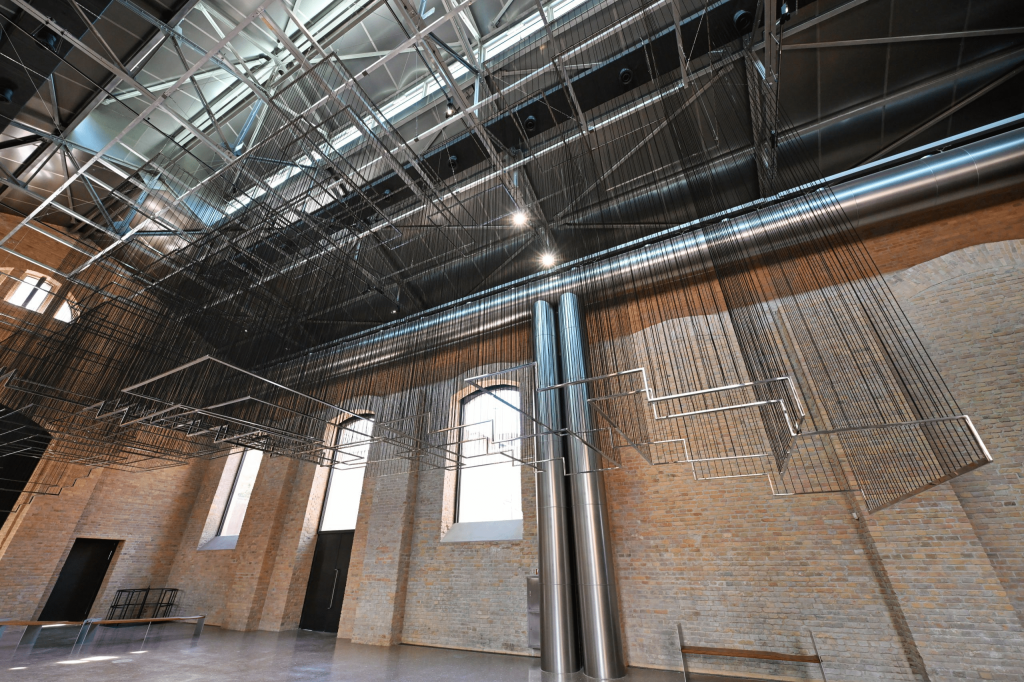
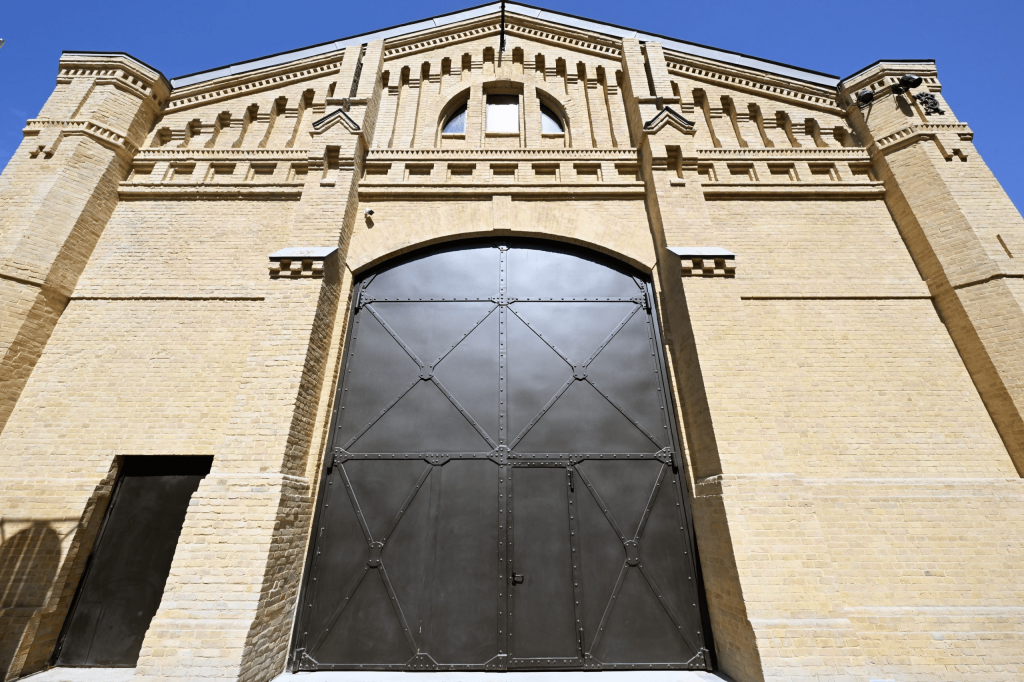
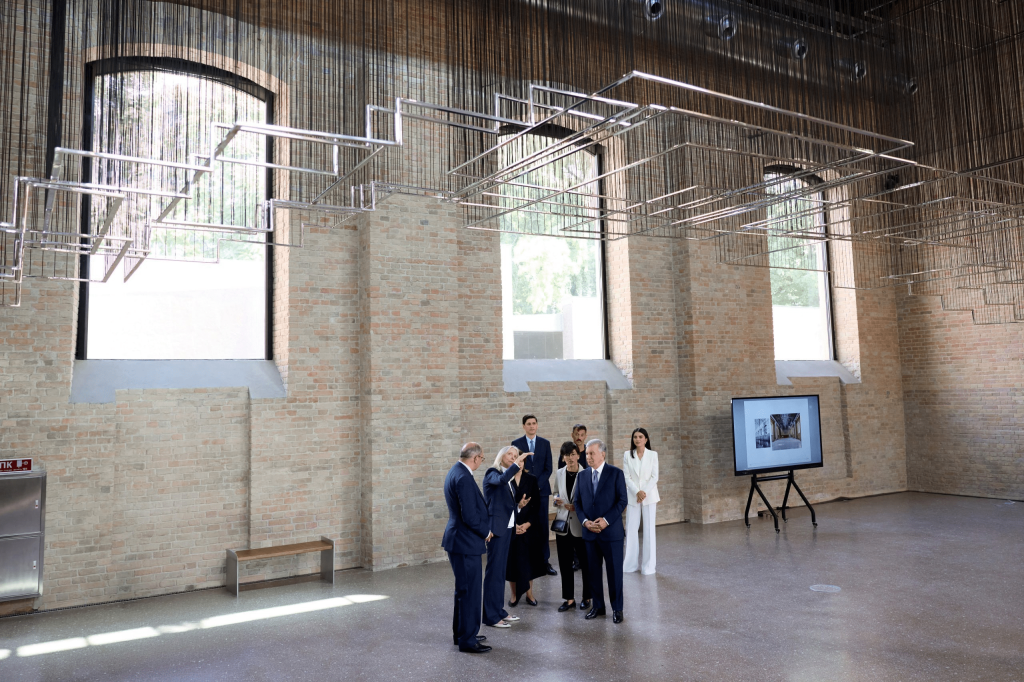
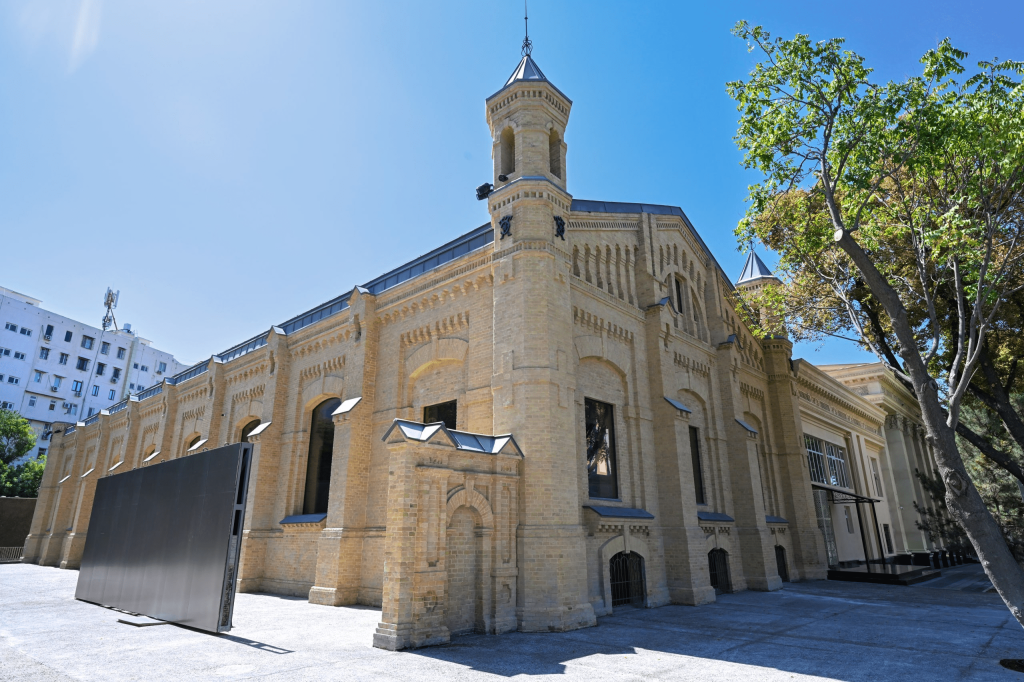
The new Centre is located in a historic building, built in 1912 to the design of architect Wilhelm Heinzelmann. It originally housed a tram depot and was later used as a diesel power station.
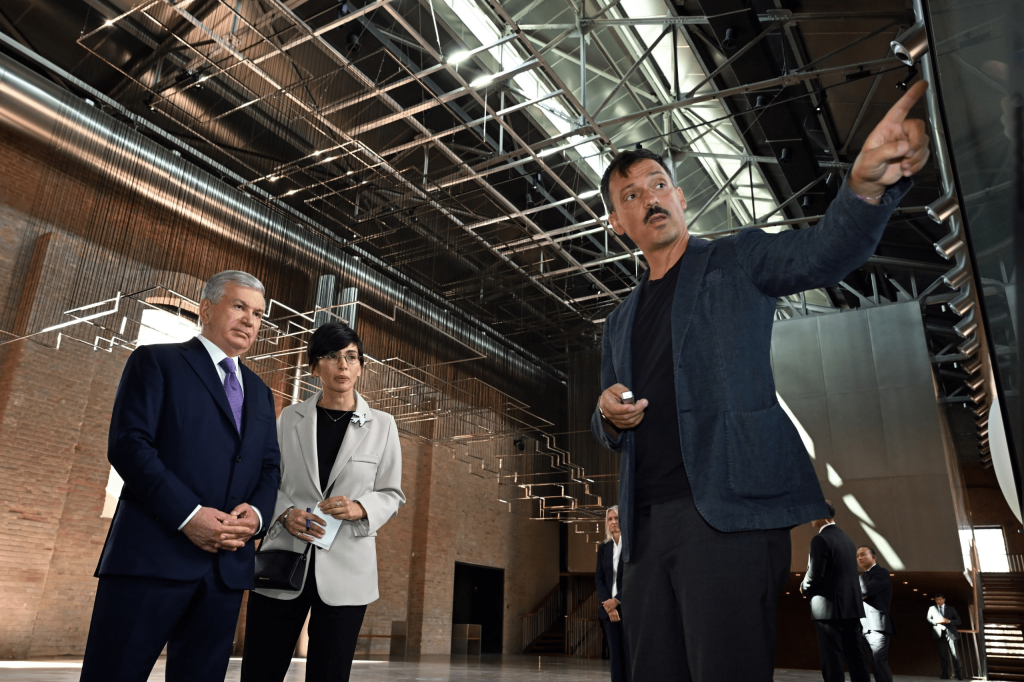
The French bureau Studio KO developed the architectural concept for the building’s restoration. During the renovation, the site’s historic appearance and distinctive industrial architectural features were preserved. At the same time, the building was adapted to meet the requirements of a modern cultural venue.
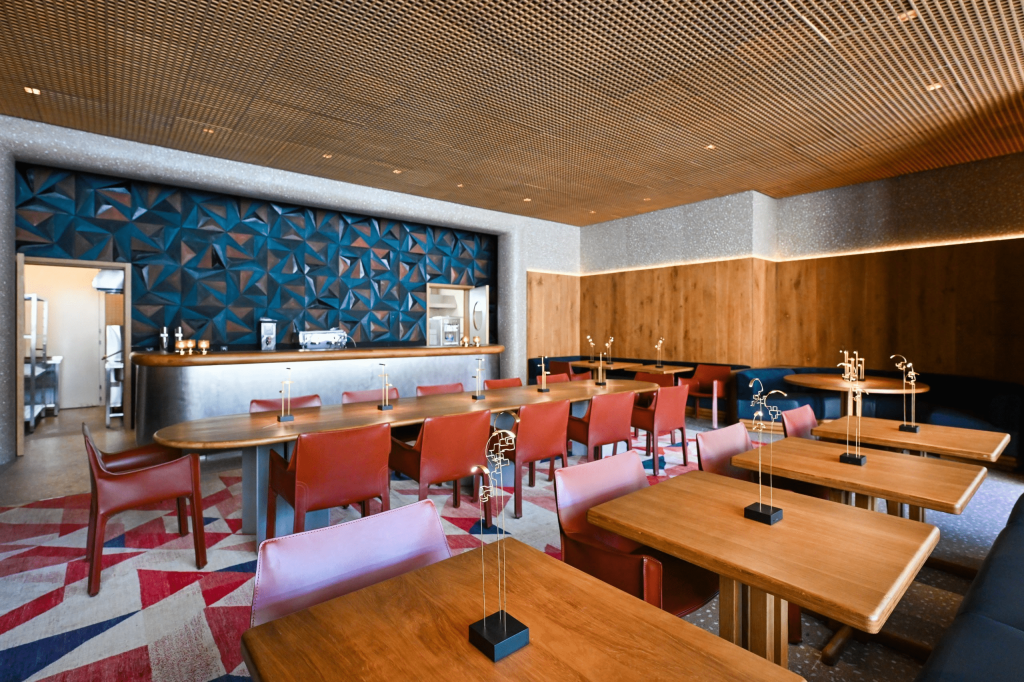
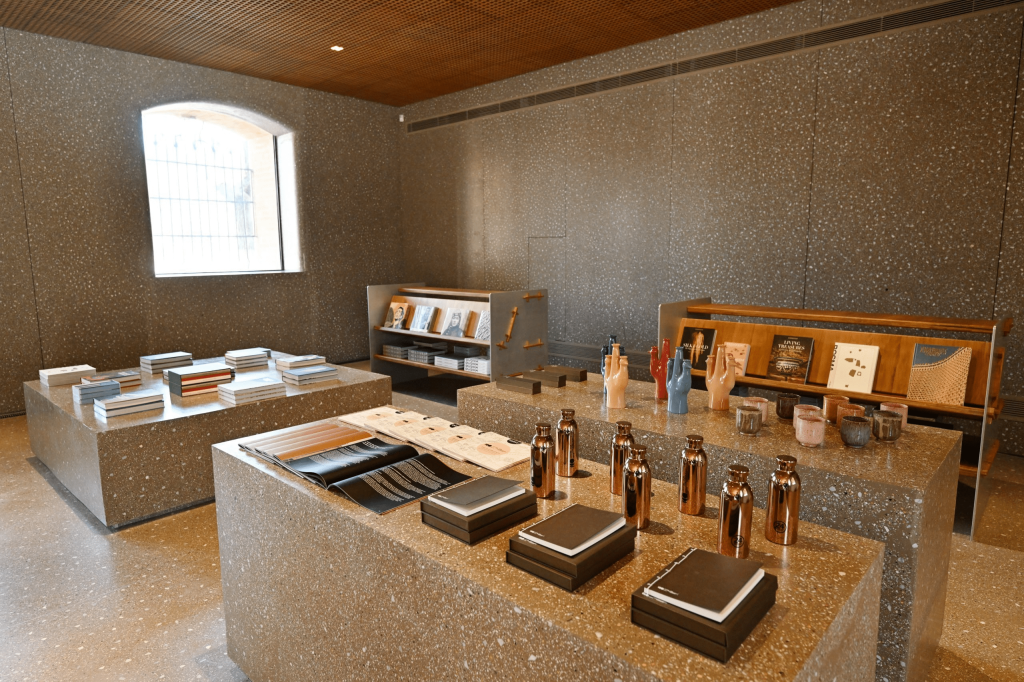
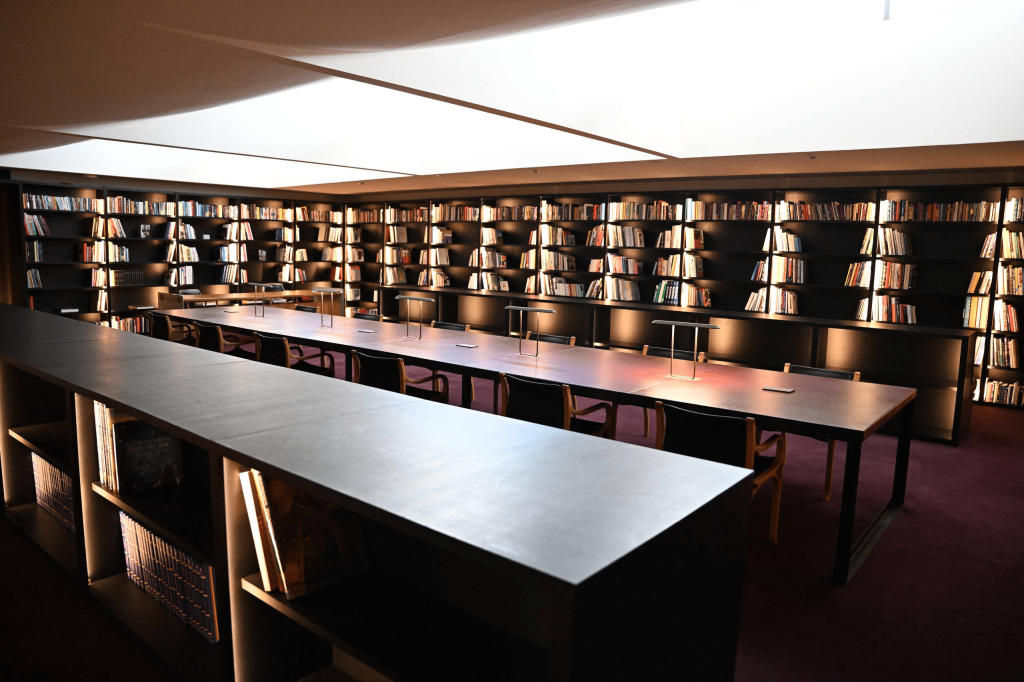
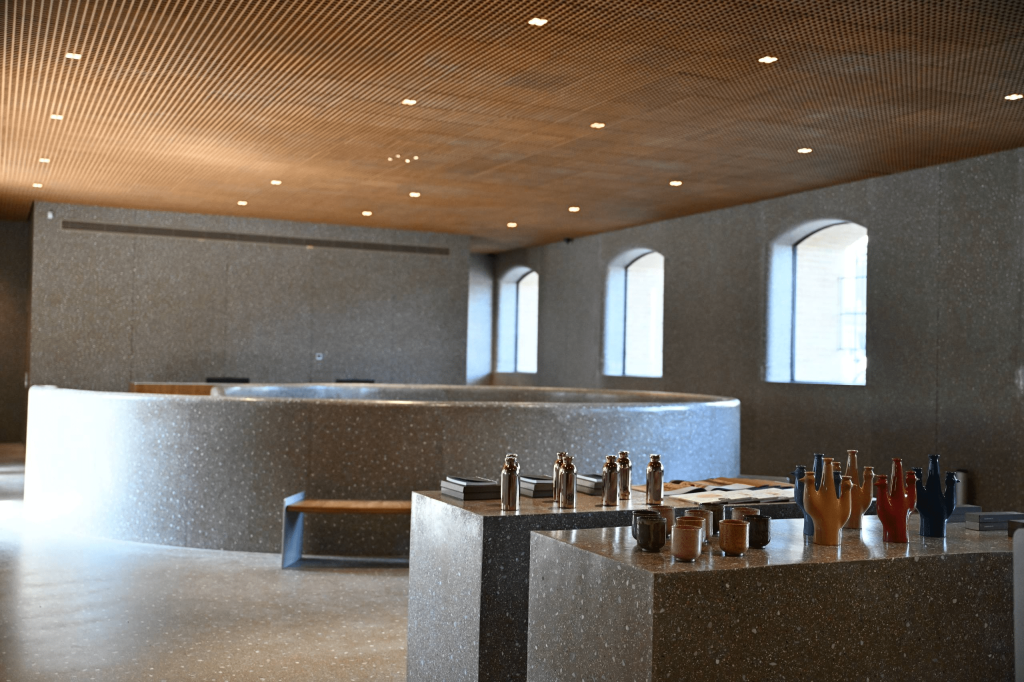
The President toured the exhibition and educational spaces, as well as the public areas. The complex includes meeting and public program venues, a concept store, and a restaurant. A specialized library and research archive, open to the general public, houses literature and materials on art, visual culture, and critical theory.
The Centre will host exhibitions, lectures, public talks and discussions, film screenings, concerts, performances, creative workshops, and artist residency programs. These programs aim to support local artists, curators, researchers, and young professionals, introduce new professional practices, and expand opportunities for the wider public to engage with contemporary art.
It is particularly important for the Centre to become a permanent creative and professional environment. Young artists will be able to present their projects here, researchers will work with sources and archival materials, and the broader public will gain a deeper understanding of contemporary art through educational programs, cultural and outreach events, and direct interaction with the creative community.
This infrastructure aligns with state cultural policy objectives to unlock young people’s intellectual and creative potential, develop the creative economy, improve the quality of humanities education, and strengthen international cooperation.
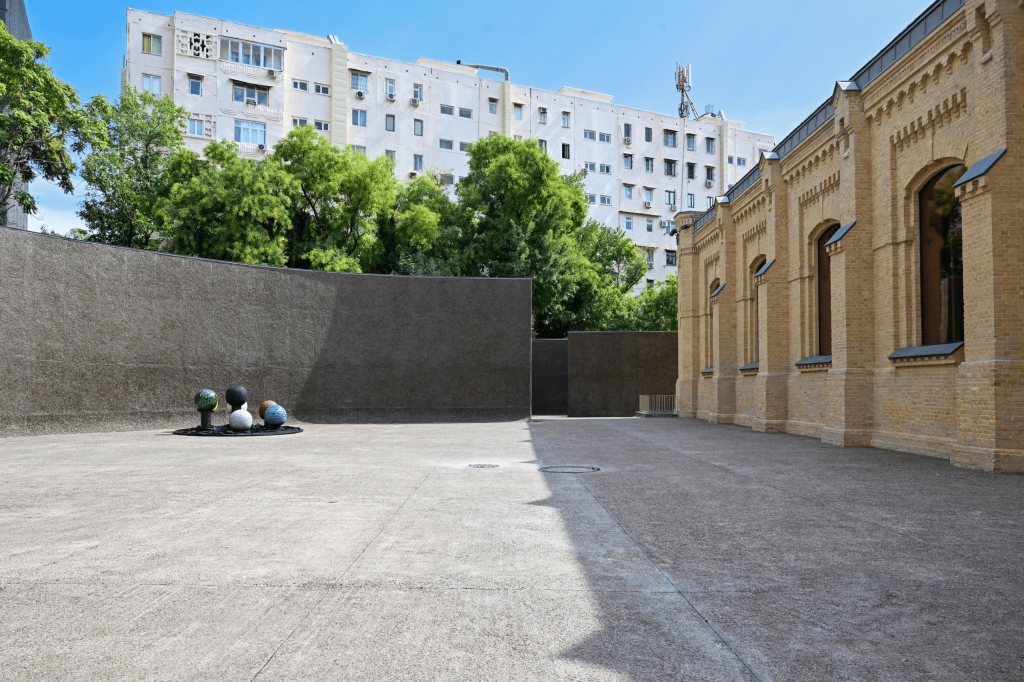
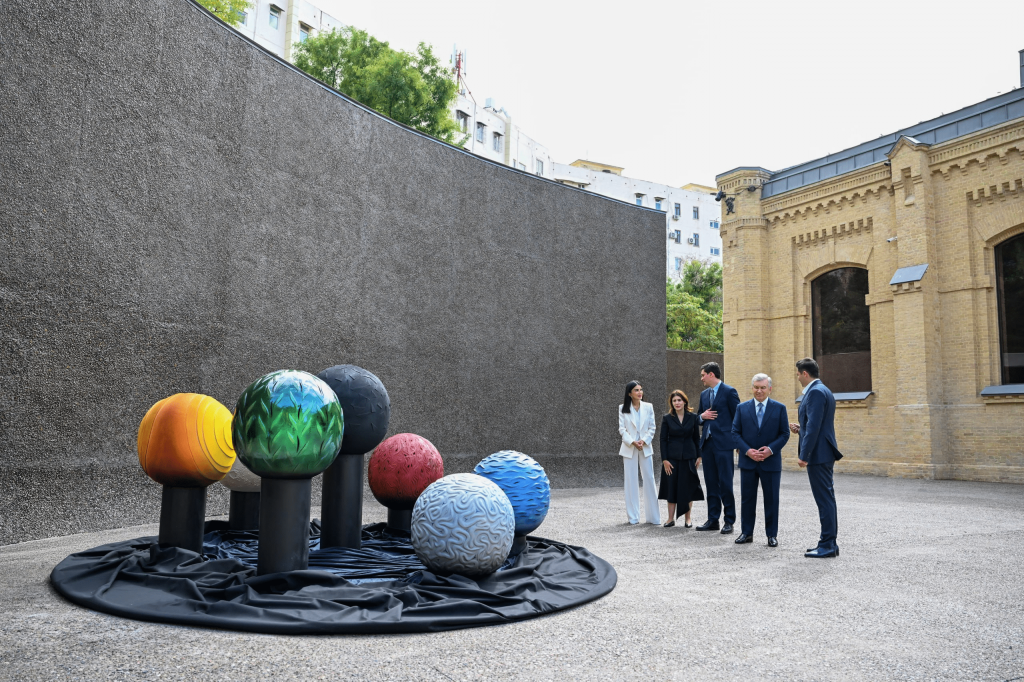
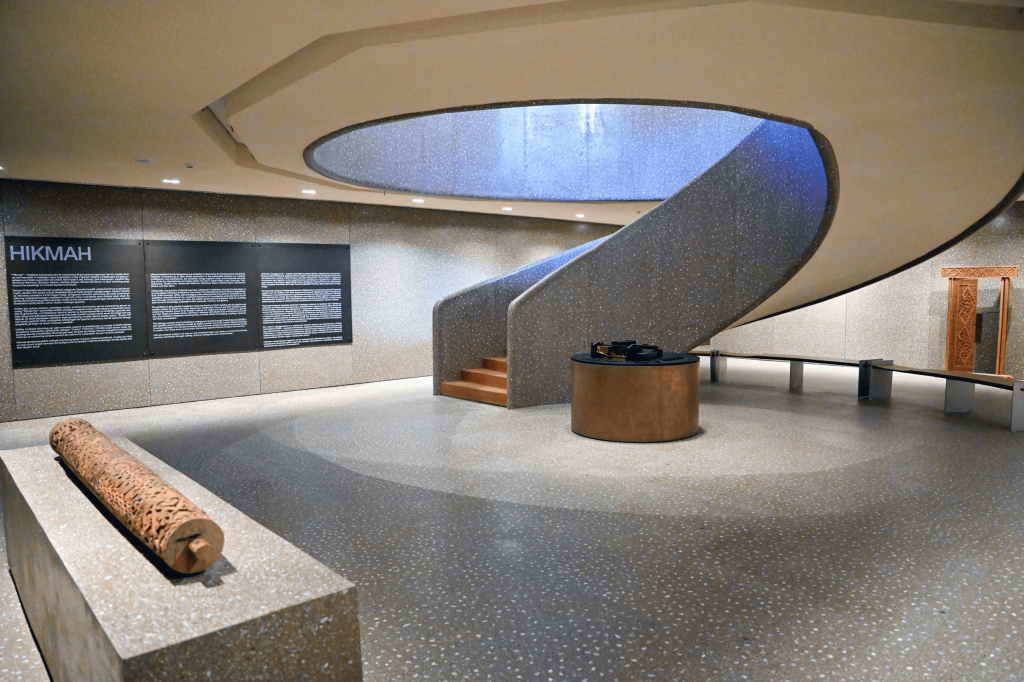
The complex will launch its activities with its first international exhibition, Hikmah (“Wisdom”). The exhibition focuses on knowledge, spiritual heritage, and cultural memory, as well as the connection between historical traditions and contemporary art.
The exhibition will feature 11 works by renowned artists, including pieces created specifically for the project. Notably, for the first time in Uzbekistan, an installation from the Solomon R. Guggenheim Museum collection in New York will be displayed.
The Centre is also developing partnerships with leading cultural institutions abroad. These include the Guggenheim Museum and the National Museum of Asian Art in the United States, Tate and the Delfina Foundation in the United Kingdom, the Centre Pompidou in France, and Arts Council Korea.
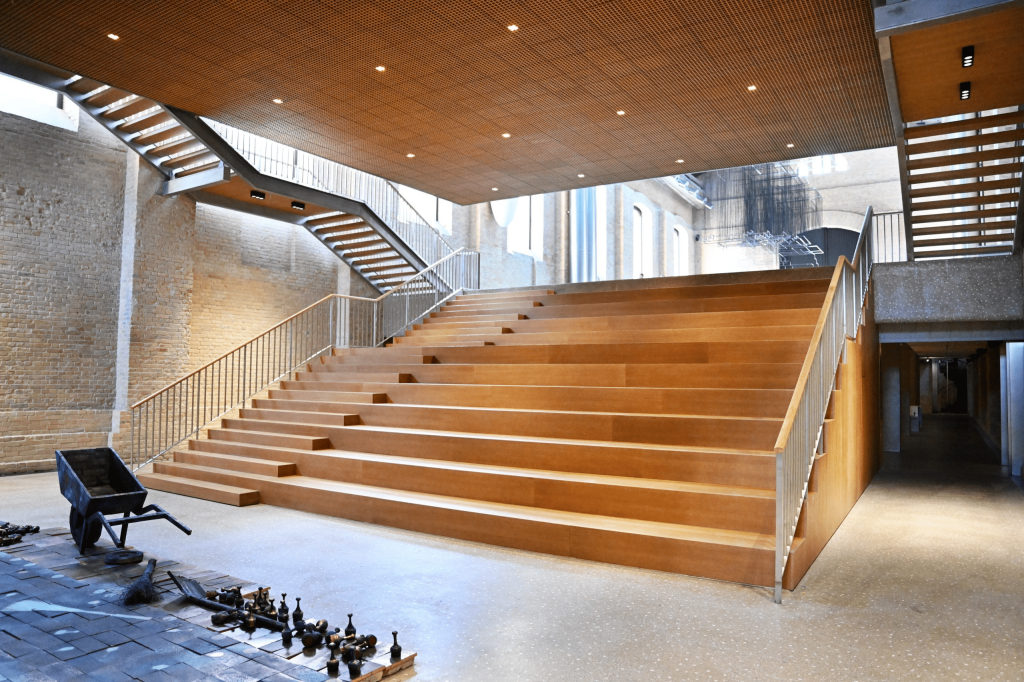
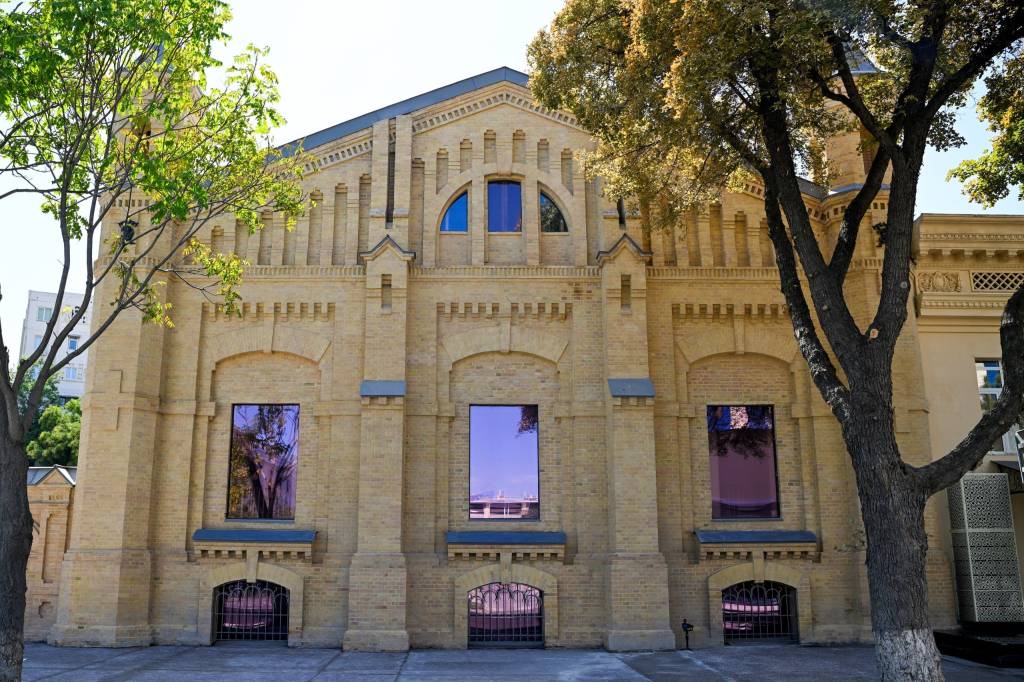
The Head of State was briefed on the Centre’s future exhibition, educational, and research programs. It was emphasized that the new venue will help develop a professional environment, promote Uzbek artists more widely on the international stage, and strengthen the country’s cultural ties with foreign states.
The President emphasized the need to transform the Centre into an open, vibrant creative space for young artists, the professional community, and the broader public. Particular attention was given to expanding international ties, attracting prominent figures in contemporary art to Uzbekistan, and supporting new projects by local artists.
The project aims to enhance cultural diplomacy, craft a modern image of the capital, and present New Uzbekistan as a country with a rich heritage that embraces contemporary ideas, creative exploration, and international dialogue.
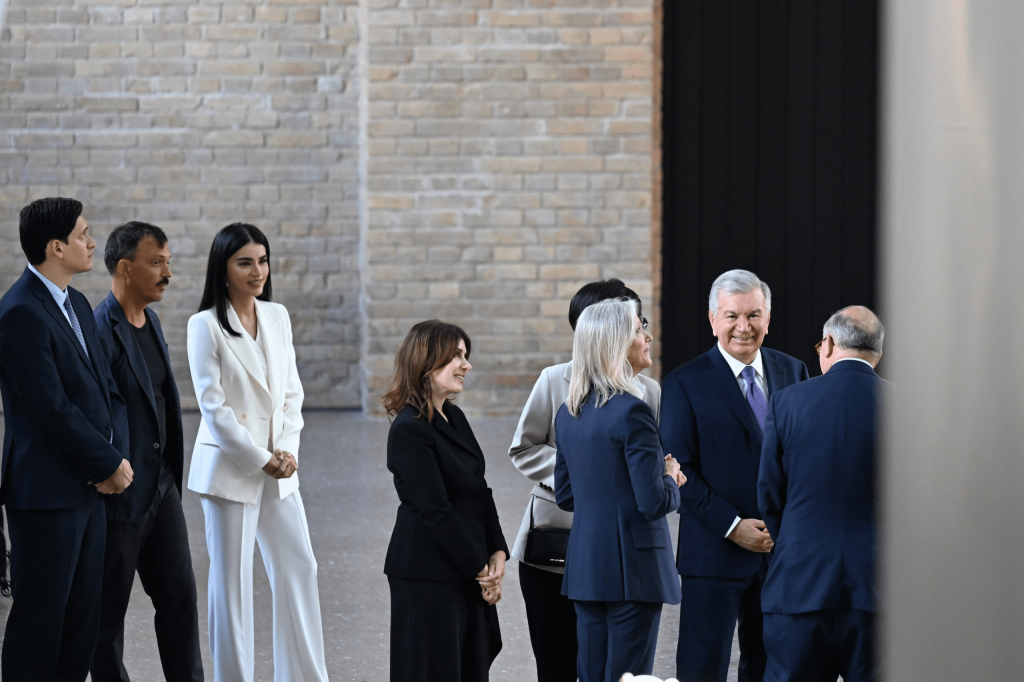
The Centre’s official opening is scheduled for September 6.
UzA