New priorities to advance the construction and tourism industries
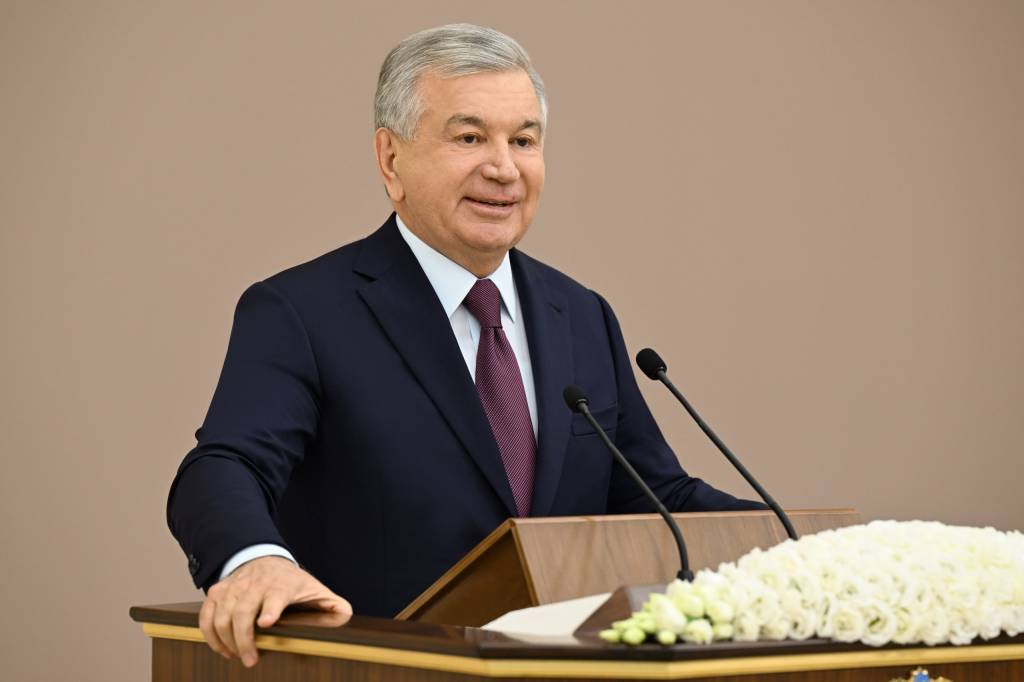
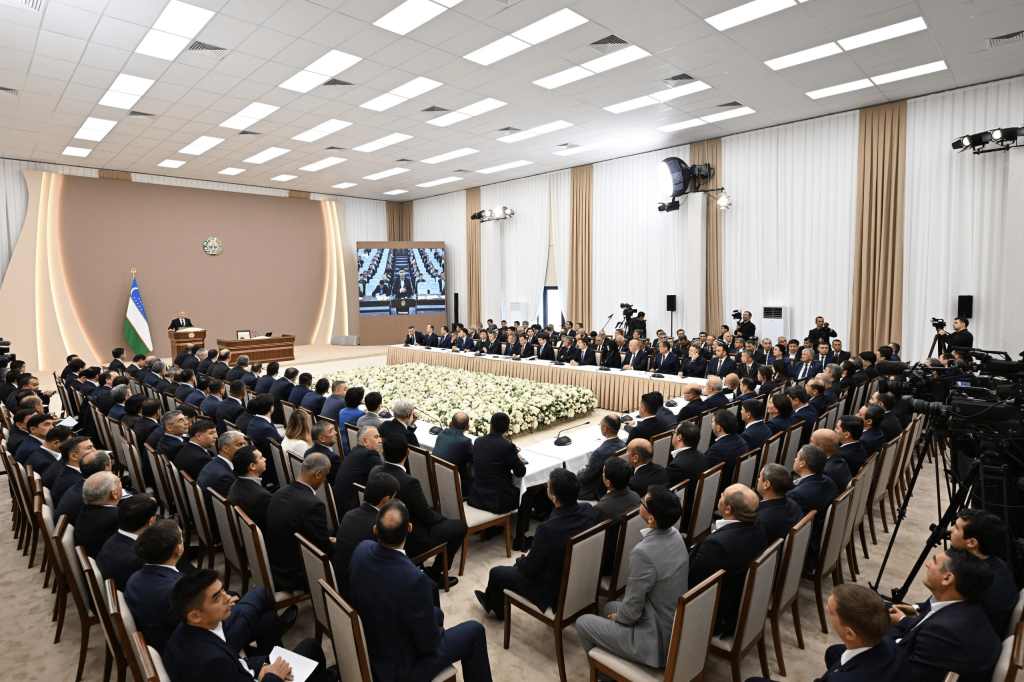
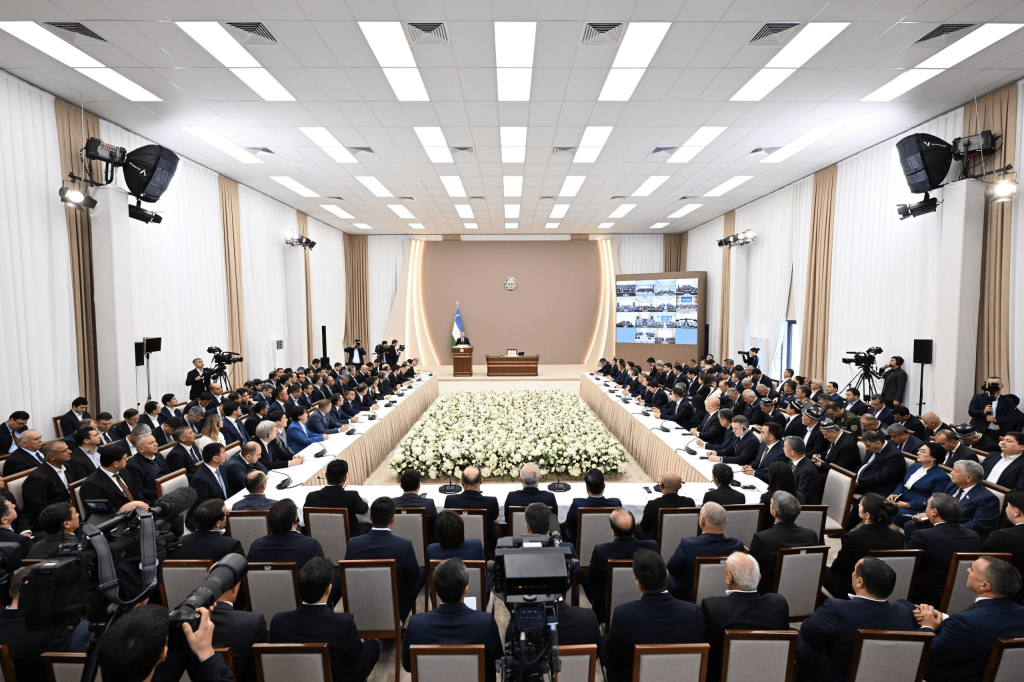
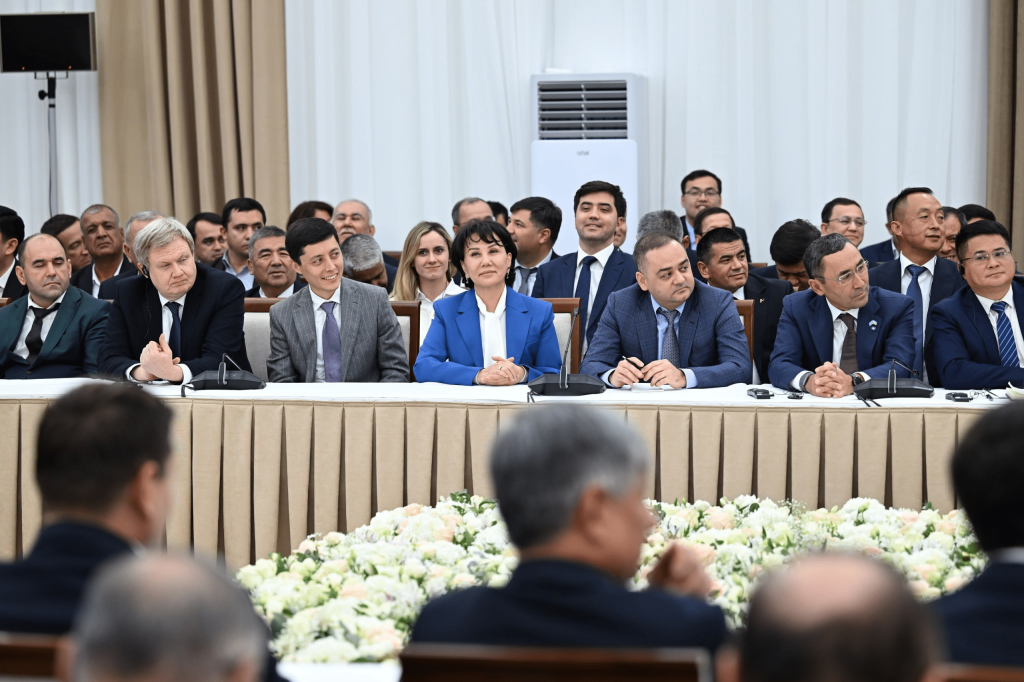
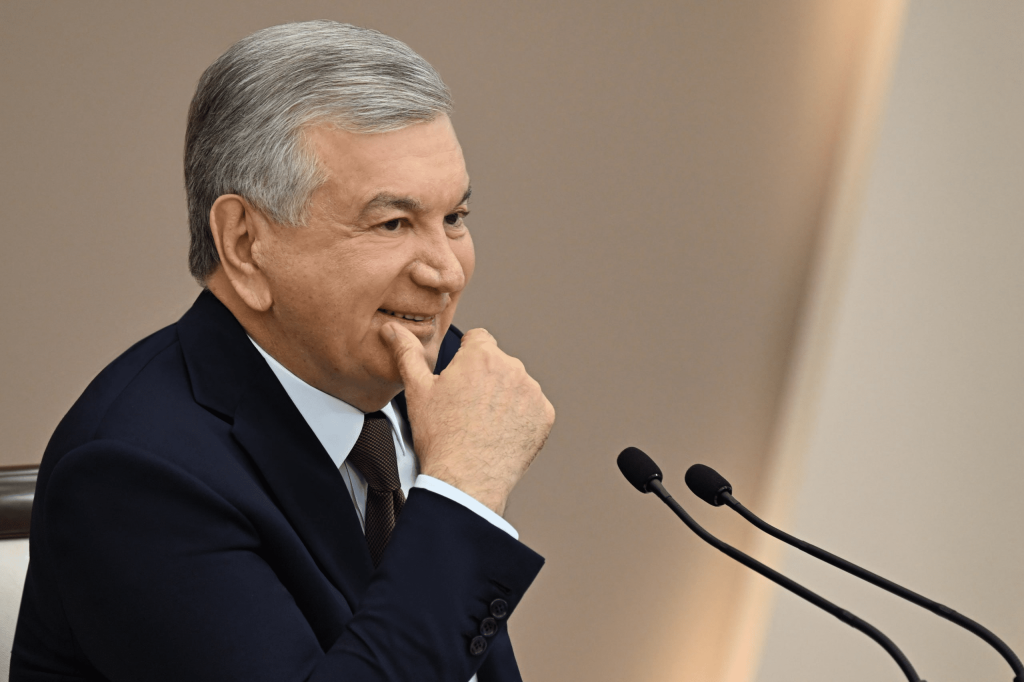
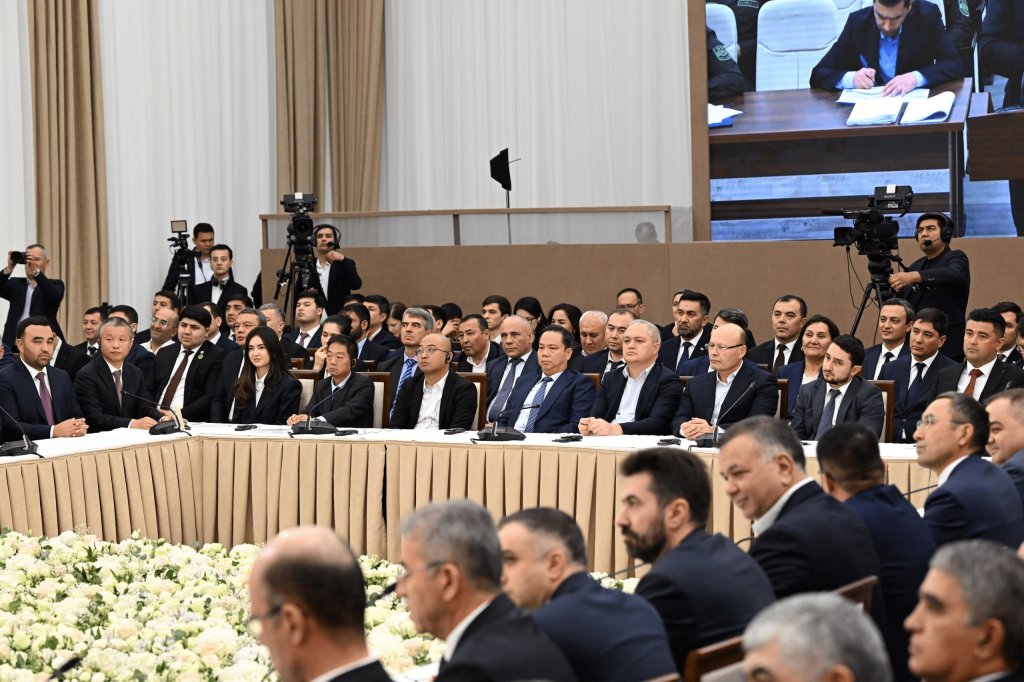
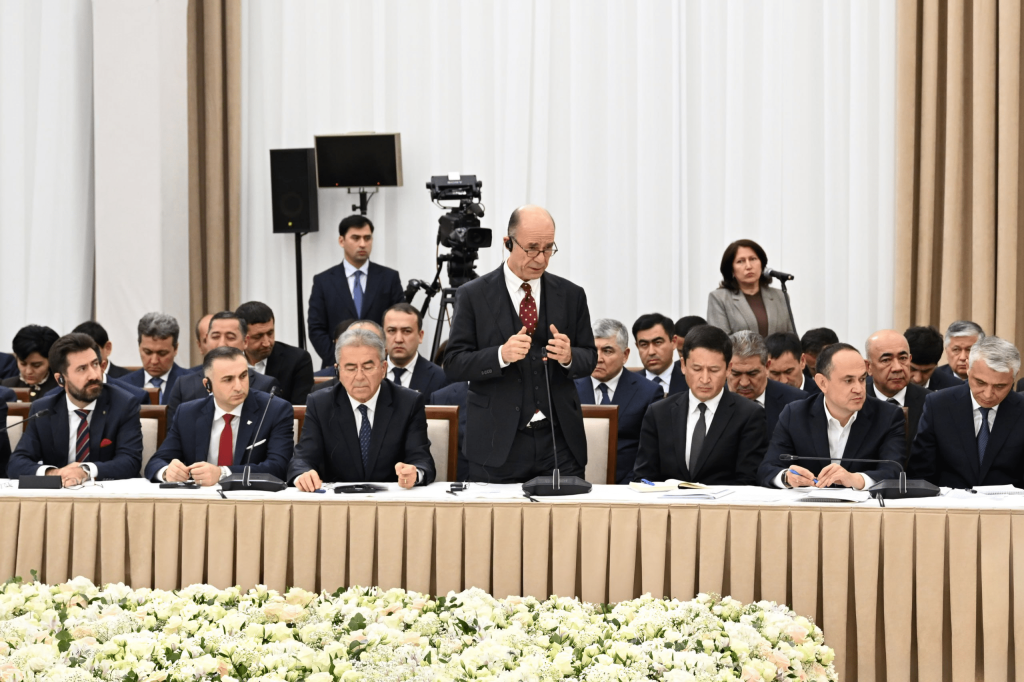
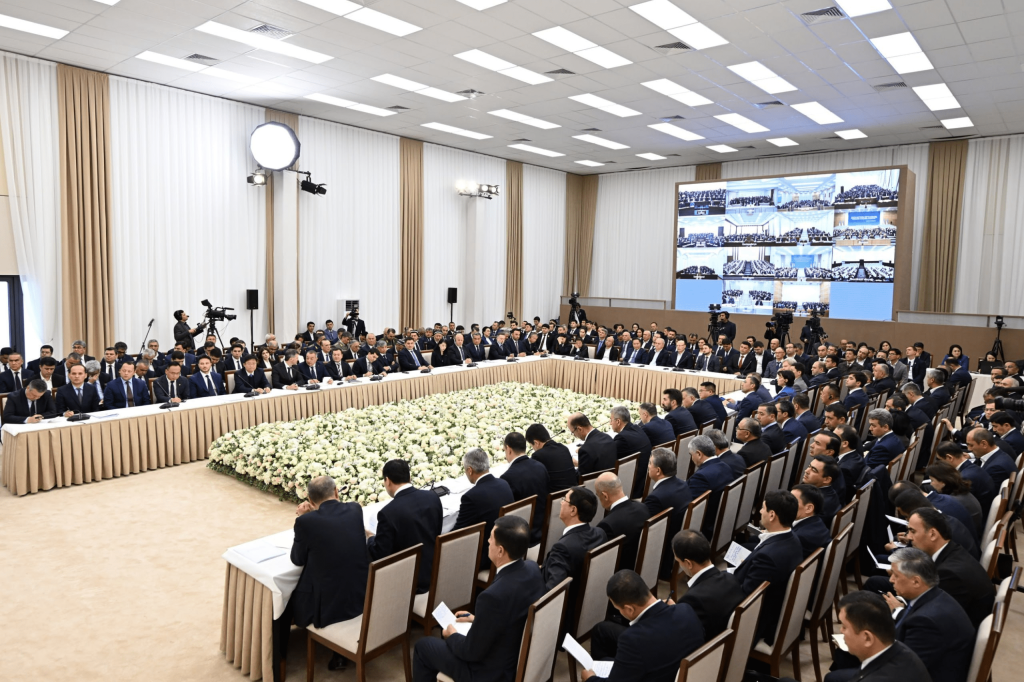
President Shavkat Mirziyoyev chaired a meeting with investors and entrepreneurs in Parkent district of Tashkent region to discuss the development of the building materials industry and tourism.
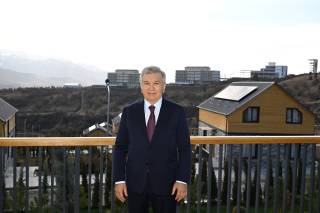
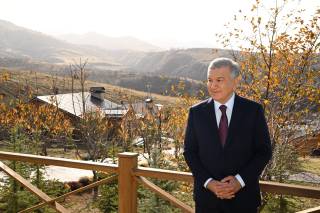
The meeting took place at the Oltin Bel tourist complex in Kumushkon.
The President noted that a year ago, a task had been set to establish a major tourist complex at this location. Thanks to the involvement of local designers, builders and manufacturers, a modern recreational complex covering 47 hectares was completed in a short period.
The complex can accommodate up to 6,000 visitors at a time. It is expected to create 600 jobs, and 300 specialists have been trained. Products supplied by local enterprises accounted for 95% of the materials and equipment used in the complex’s construction and outfitting, helping reduce project costs by 20%.
The importance of applying this experience more widely in other regions was emphasized, along with the need to develop the construction industry and tourism as complementary sectors that reinforce each other’s potential.
At the beginning of the meeting, participants reviewed the results achieved and the existing potential of the building materials industry.
Over the past decade, $12 billion has been invested in the sector, and more than 5,000 modern enterprises have been commissioned. This year, production is expected to reach 65 trillion UZS, up from 7 trillion UZS in 2016, while exports are projected to rise from $75 million to $1.5 billion.
Large-scale construction activity and major investment projects being implemented across the country are creating a substantial market for domestically manufactured products. Moreover, these products are in high demand in neighboring countries and other markets in the region.
It was noted that the sector’s exports could reach $5 billion in the coming years by increasing the production of high-value-added goods, supporting domestic enterprises in foreign markets and expanding logistics capabilities.
At the same time, improving product quality, design and competitiveness remains a priority. Although Uzbekistan has sufficient production capacity to meet domestic demand for 161 types of building materials, annual imports of certain products still amount to $780 million.
In this regard, instructions were given to conduct a detailed assessment of domestic market needs and establish new production facilities using modern technologies and involving international brands. In particular, it was noted that construction of a $30 million paint and coatings plant in Zangiata district is beginning in cooperation with the Turkish company Betek.
Particular attention was paid to supplying major strategic projects with domestically produced building materials. For instance, construction of the nuclear power plant in Jizzakh region will require building materials worth $2.2 billion.
To this end, a special industrial zone is planned on a 200-hectare site in the Egizbuloq mahalla, where production of 70 new types of products is to be established. Officials were instructed to identify products that could replace imports and meet the needs of major projects, and to begin practical work on projects totaling $20 billion.
Measures were also outlined to provide preferential financing for the production of new high-value-added products and partially reimburse enterprises for the costs of purchasing energy-efficient equipment.
Opportunities for more extensive raw material processing and efficient waste utilization in the decorative stone industry were also discussed. Tasks were set to develop new deposits in accordance with the zero-waste principle and establish processing enterprises near existing deposits.
The President also addressed the need to reduce construction costs and ensure the efficient use of budget funds. He criticized the significant differences in the cost of constructing similar facilities across certain regions. Among the reasons cited were an excessive number of intermediaries and repeated revisions to project design and cost estimates.
Starting next year, a new procedure will be introduced requiring the predominant use of domestically manufactured products in construction projects financed from the state budget. A dedicated marketplace for local manufacturers will be established on the public procurement portal.
In addition, a $200 million line of credit will be made available to entrepreneurs undertaking construction projects in New Tashkent to finance the purchase of domestically produced building materials.
Three modern testing laboratories will be established in Tashkent, Fergana and Samarkand to monitor the quality of building materials and protect the public from unsafe products. Priorities were also set for transforming design institutes, introducing advanced construction technologies and attracting private investors to this process.
The next part of the meeting focused on tourism development, improving service quality and attracting investment to the sector.
Since the beginning of this year, Uzbekistan has welcomed 11.6 million international tourists. Over the past two years, the average length of stay for tourists from countries outside the region has increased from 6.5 to 8 days. The proportion of high-spending tourists has risen from 14% to 21%, while average spending per tourist has increased by 21%.
The President emphasized that, alongside increasing tourist arrivals, the sector must now focus primarily on improving service quality and creating conditions that encourage visitors to stay longer in the country and spend more.
To achieve this, support measures for businesses in the tourism sector are being expanded. Preferential financing is being provided for hotel construction, while land and property tax incentives have been extended until 2030. Additional benefits have also been introduced for tour operators and companies providing tourist transport services.
Under the tourism development strategy, expected to be adopted in the near future, the country aims to increase international tourist arrivals to 20 million, raise the sector’s share of the economy to 7%, and boost tourism service exports to $10 billion.
An additional 5,000 hectares of land will be prepared across the regions for new investment projects. Instructions were also given to begin implementing a portfolio of tourism projects worth a total of $11 billion within one month.
It was noted that the first International Tourism Investment Forum, scheduled to take place in Tashkent on November 25-27, will serve as an important platform for promoting new projects. More than 100 major investors from over 25 countries are expected to attend. Regional leaders were tasked with securing concrete investment agreements during the forum.
The need to ensure year-round operation of tourist facilities, expand the range of shopping and entertainment services, and make more efficient use of existing infrastructure was emphasized.
Particular attention was paid to holding major international events regularly at convention centers, hotels and tourist complexes across the regions. From now on, each minister will be responsible for organizing at least three to four major international events annually in Uzbekistan within their respective areas of responsibility. The government was instructed to approve a corresponding two-year action plan.
As part of efforts to develop new forms of tourism, opportunities to introduce hot-air ballooning, paragliding and hang-gliding services were discussed. Instructions were given to simplify the procedures for obtaining permits for such activities and establish at least one facility offering these services in every region as early as next year.
Particular attention was also paid to adapting transport services along tourist routes to travelers’ needs. It was noted that train schedules in both directions on certain routes do not allow tourists sufficient time to explore the region. Officials were instructed to review railway timetables and domestic flight schedules within one month.
Expanding the network of international air routes was also identified as a key priority. Uzbekistan currently has direct flights to 102 cities worldwide. Instructions were given to attract foreign airlines to operate new routes, including through the use of fifth freedom traffic rights.
In addition, measures were outlined to introduce convenient payment services for tourists, expand integration with international payment systems and increase the number of mobile retail outlets at tourist destinations.
The President also addressed the importance of recognizing dedicated professionals in the tourism sector. As part of an initiative to establish the honorary title of “Honored Worker of Tourism of the Republic of Uzbekistan”, it was proposed to present awards to employees who have made significant contributions to the industry’s development ahead of Independence Day celebrations.
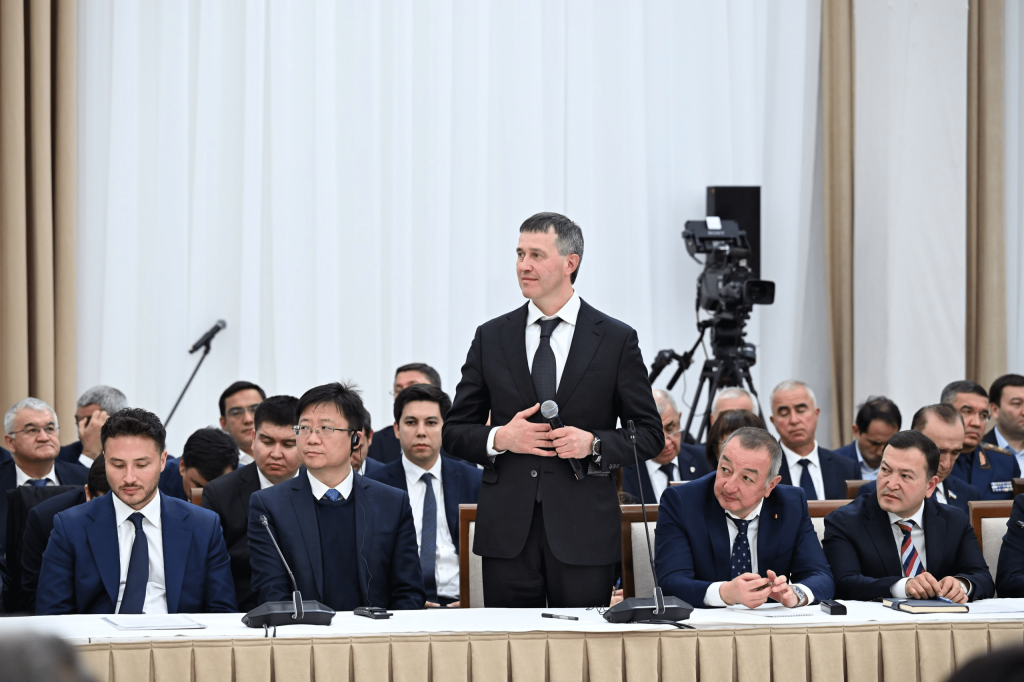
Following the meeting, President Shavkat Mirziyoyev held an open dialogue with investors and entrepreneurs, listening to their views and proposals.
Thereupon, the President concluded his visit to Parkent district and returned to Tashkent.
UzA