President outlines priorities to accelerate the development of the electrical engineering industry
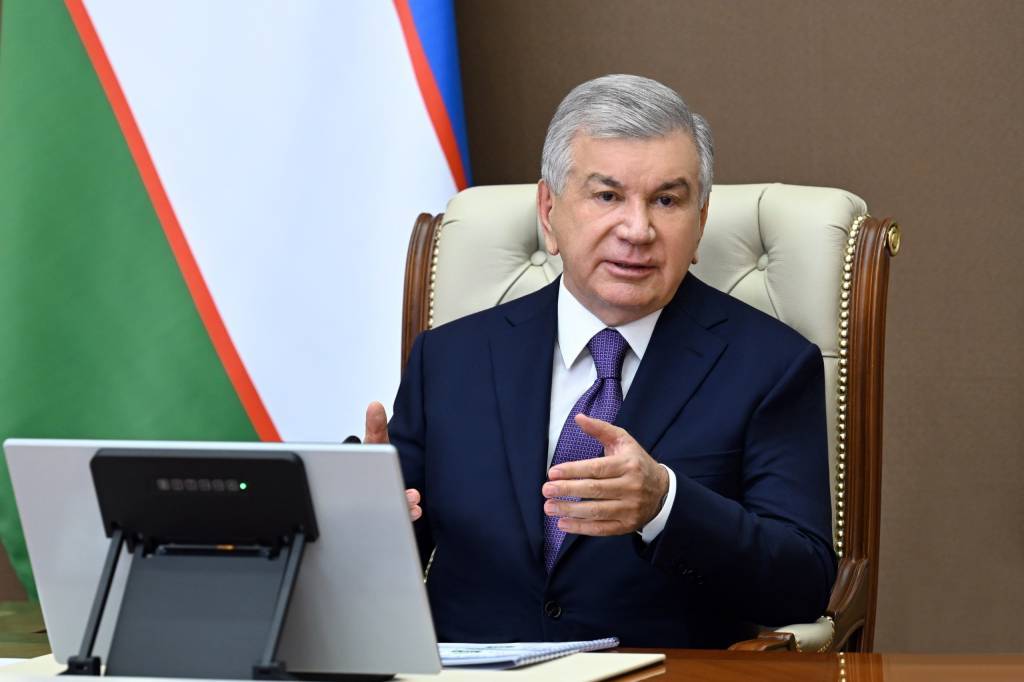
President Shavkat Mirziyoyev reviewed a presentation on developing the electrical engineering industry and measures to support the production of competitive products.
In recent years, systematic measures have been implemented in Uzbekistan to develop the electrical engineering industry, increase the production of high value-added products, and expand export opportunities. As a result, industry output increased from 4.7 trillion UZS in 2018 to 43.1 trillion UZS, while exports exceeded $1 billion. Today, Uzbekistan exports electrical engineering products to 65 countries.
At the same time, the industry’s production structure is changing. Production and exports of copper products are increasing, while the share of low-margin products is steadily declining. Today, locally manufactured products meet 80 percent of domestic demand for household appliances, while 30 percent of output is exported. The production of hundreds of new types of products has been launched, including solar panels, high-voltage cables, electric vehicle charging stations, vacuum circuit breakers, high-voltage disconnectors, and heat pumps.
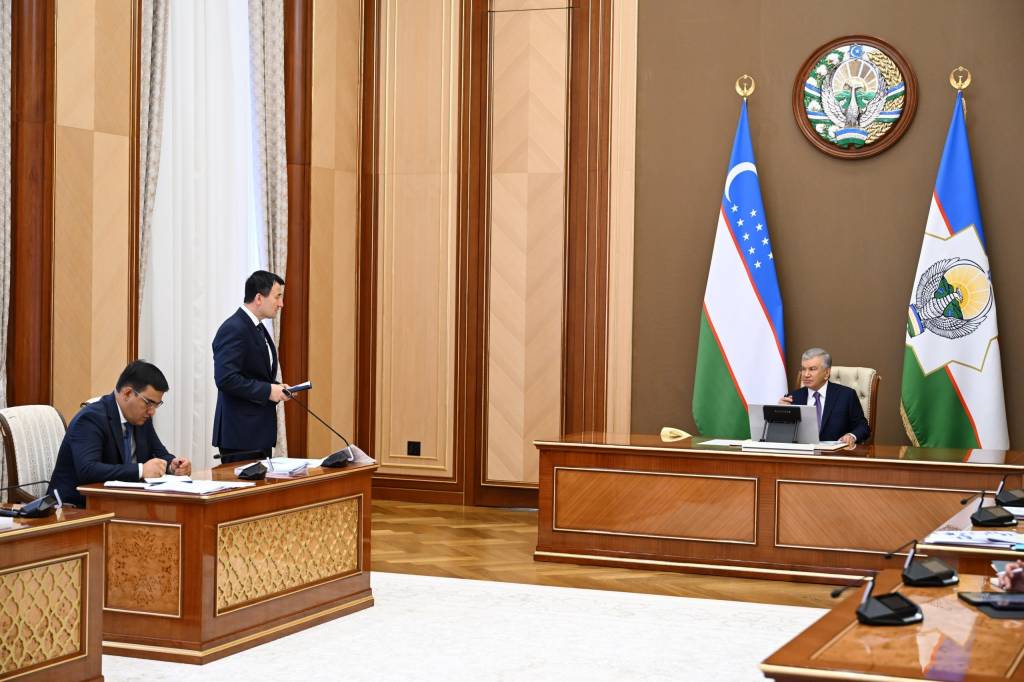
In the first seven months of this year, the industry produced goods worth 30 trillion UZS, while exports reached $706 million. Sixteen projects worth $148 million were launched, creating 1,200 new jobs. By the end of the year, output is expected to reach 51 trillion UZS, exports $1.6 billion, and 67 projects worth a total of $420 million are planned for commissioning.
During the presentation, plans were discussed to increase production in the electrical engineering industry and related sectors to $11 billion and exports to $5 billion by 2030. Plans also include attracting $3 billion in investment and increasing the share of value added in copper products to 35 percent.
The country has the necessary raw materials and a substantial market to achieve these goals. More than 150,000 tons of copper cathodes are produced annually, and with the launch of new production facilities, this figure is expected to reach 300,000 tons. In addition, solar and wind power plants with a total capacity of 15 gigawatts are planned for commissioning. This will generate annual demand for electrical engineering products worth approximately $500 million.
However, several industry issues still need to be addressed. Some enterprises lack sufficient collateral to secure working capital loans, more flexible financial instruments are needed to purchase copper raw materials through the exchange, and guarantee mechanisms need to be expanded to attract major international brands. Growing housing construction is also driving demand for electrical engineering products.
In this regard, new mechanisms were proposed to provide financial support to enterprises in the industry. In particular, when purchasing copper raw materials, enterprises will pay 25 percent of the cost, with Uzsanoatexport JSC covering the remaining 75 percent. Enterprises can repay these funds within 90 days at an annual rate of up to 6 percent. A total of $50 million will be allocated for this purpose.
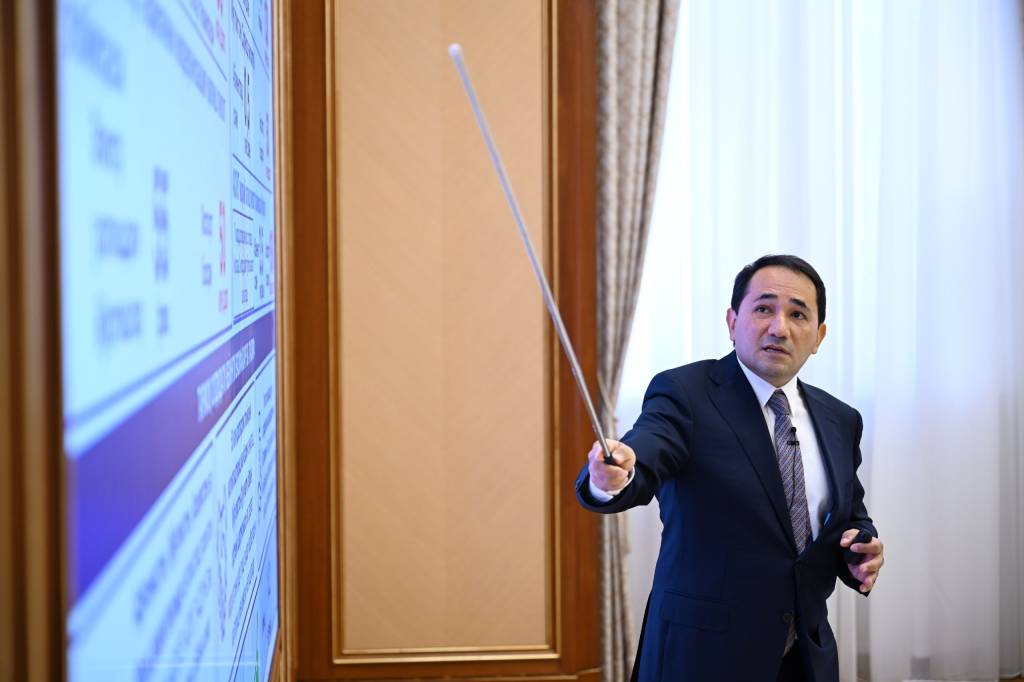
Other types of collateral, including export contracts and insurance policies, will now also be accepted when granting loans. Part of the loans provided in national and foreign currencies for investment projects will be subsidized for three years.
Major international brands investing at least $50 million in the country’s economy will receive tax incentives and be offered ready-made buildings with the necessary infrastructure. The plan also includes extending tax and customs benefits for electrical engineering enterprises until 2030 and supporting domestic industrial enterprises in related sectors.
To expand exports, measures will be taken to establish trade warehouses in foreign markets, simplify product certification procedures, and facilitate supply to foreign markets. Opportunities to expand exports of complex technological solutions to Afghanistan, Mongolia, Kazakhstan, and Iraq were also considered.
To strengthen innovation and research and development in the industry, it was proposed to establish a research and innovation center for the Fourth Industrial Revolution. The center will focus on digital modeling, testing, and localization of new products, prototype development, and providing engineering services to enterprises.
President Shavkat Mirziyoyev instructed responsible officials to take measures to increase value added in the electrical engineering industry, develop the production of high-tech products and materials, and integrate domestic enterprises into global value chains.
UzA