Poverty reduction starts at the household level
Poverty reduction begins with a deep dive into the life of every family to identify their actual needs and opportunities. This is because the problems, circumstances, and needs of each household are different. One may need a job, another may need to learn a trade, and yet another may require medical or legal assistance. Therefore, in working with the public today, priority is given to finding targeted solutions based on an individual's specific situation, rather than applying a general approach.
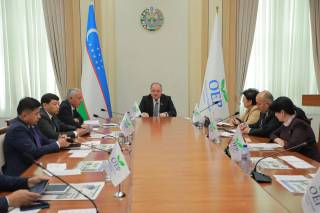
This issue was given special attention at a video conference meeting chaired by President Shavkat Mirziyoyev on September 3, dedicated to elevating efforts in poverty reduction and increasing public income to a new level.
The meeting included a critical and analytical discussion on how the work being carried out in some regions to reduce poverty has not yet yielded the expected results.
It was emphasized that it is necessary not only to provide the population with loans or financial assistance but also to offer practical support in starting their own businesses, finding markets, acquiring professions, using modern technologies, developing business plans, and accessing the product sales chain. After all, the most effective way to reduce poverty is to guide people toward earning a stable income through their own labor and capabilities, rather than relying on one-time assistance.
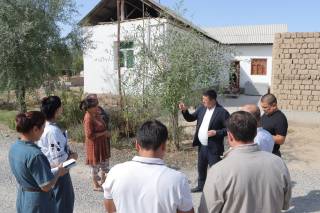
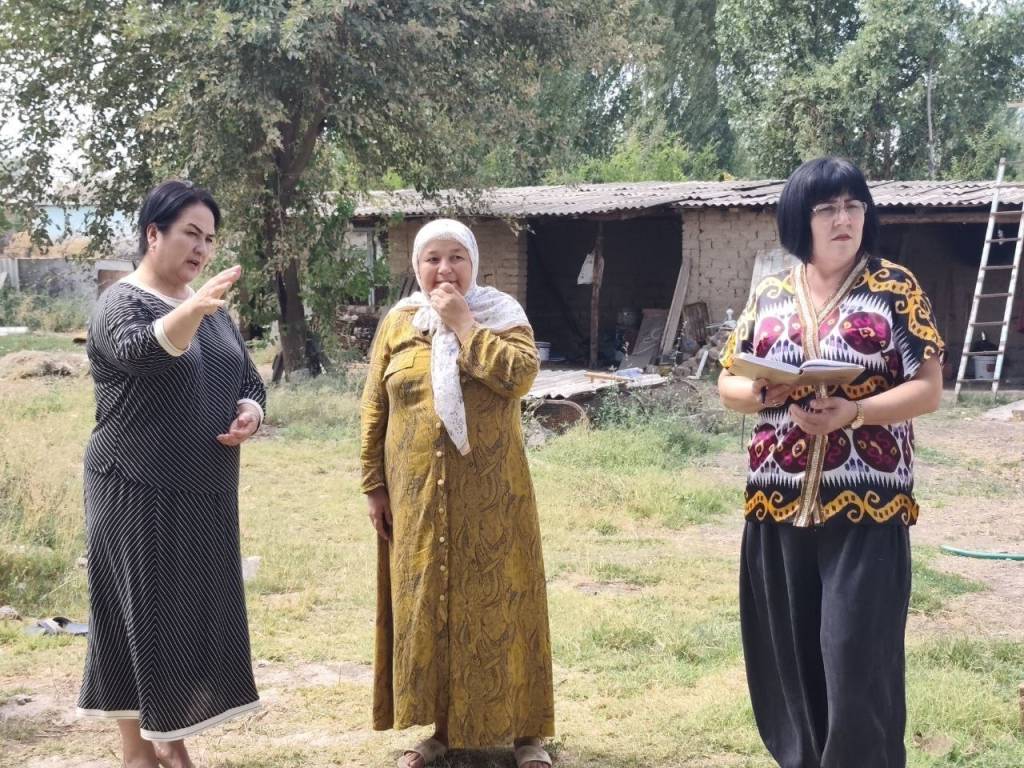
The door-to-door surveys conducted in the Boyovut district as part of the work with women are a practical expression of these tasks. Narigza Tojiboyeva, Deputy Khokim of the Sirdaryo region and Head of the Family and Women's Affairs Department, visited the Uzbekistan, Markaz, Alisher Navoiy, and Iftixor mahallas of the district. She personally visited the homes of citizens who had made appeals during a mobile reception held by D. Kattakhanova, the Deputy Prime Minister and Chairperson of the Family and Women's Committee, and studied their problems on-site.
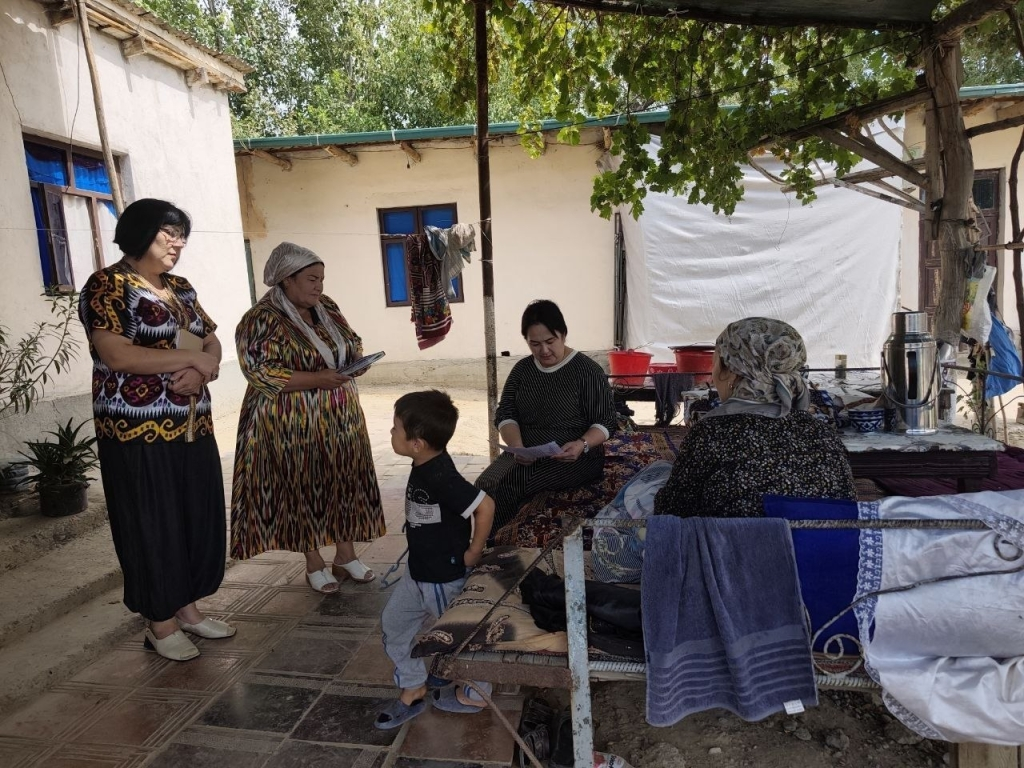
Notably, this process was not limited to simply documenting the problem on paper. The social status, needs, existing opportunities, and unresolved issues of each family were studied in their own homes, and practical measures for their resolution were established in cooperation with relevant organizations.
Specifically, considering the need for surgery for Makhsuda Djulabebkova, a resident of 22 Istiqlol Street in the "Uzbekiston" mahalla, measures were taken to issue her a medical order and coordinate the treatment process. The legal appeal of Nazirxon Asqarova, residing at 5 Bahor Street in the Markaz mahalla, was reviewed, and she was provided with the necessary explanations and practical assistance.
The appeal of Malika Xolmatova, residing at 33 O'qituvchilar Street in the Alisher Navoiy mahalla, concerning labor relations and employment, was also addressed on-site. Regarding the appeal of Mahbuba Ma'murova, a resident of 11 Kashfiyot Street in the Iftixor mahalla, related to a heart condition, the provision of medical assistance and her treatment were taken under supervision.
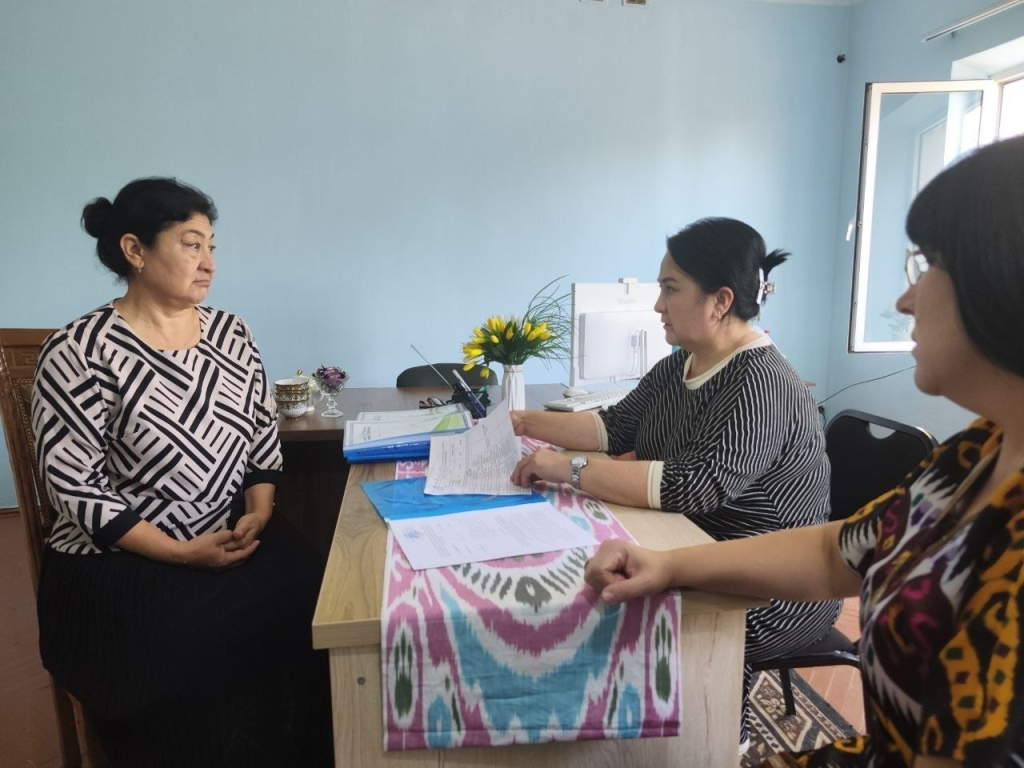
During the dialogues, citizens were provided with legal and practical advice. At the same time, the process of conducting surveys to create a women's "balance sheet" in the mahallas was also reviewed, and relevant recommendations were given to the responsible officials.
The main goal of creating such a balance sheet is to have a clear understanding of each woman's social status, interests, abilities, and needs, to anticipate her problems, and to offer a tailored, targeted solution. This is because while one family might need financial support, another may need to learn a trade, a third to find a job, and yet another may require practical advice and guidance to start a business.
From this point of view, the door-to-door approach is not a simple survey but a systematic process intended to bring about changes in a person's life. The main criterion of today's approach is not how much assistance was provided, but what changes occurred in a person's life as a result of that assistance. Did the woman find a job? Did a stable source of income emerge in the family? Did the citizen who learned a trade gain the ability to earn an income through their labor? The true effectiveness of the door-to-door approach is revealed in these outcomes. This process is also reflected in the work with young people. At a meeting on the topic "Prevention of Early Marriage and Early Childbirth," organized in the Markaz mahalla of the district, the legal, social, and spiritual consequences of early marriage were explained to the youth. In particular, an open dialogue was held on issues such as continuing education, acquiring a profession, preparing for an independent life, and building a strong family in the future.
During the dialogue, young people were given an understanding of mutual respect, responsibility, rights and duties, preparing for parenthood, and maintaining a healthy family environment. Specialists answered questions of interest to the youth. Indeed, young people acquiring knowledge and a profession, and finding their place in the labor market, is crucial not only for their personal future but also for ensuring family well-being and social stability in society. Therefore, in working with women and youth, attention is focused not only on eliminating today's problems but also on preventing future social risks.
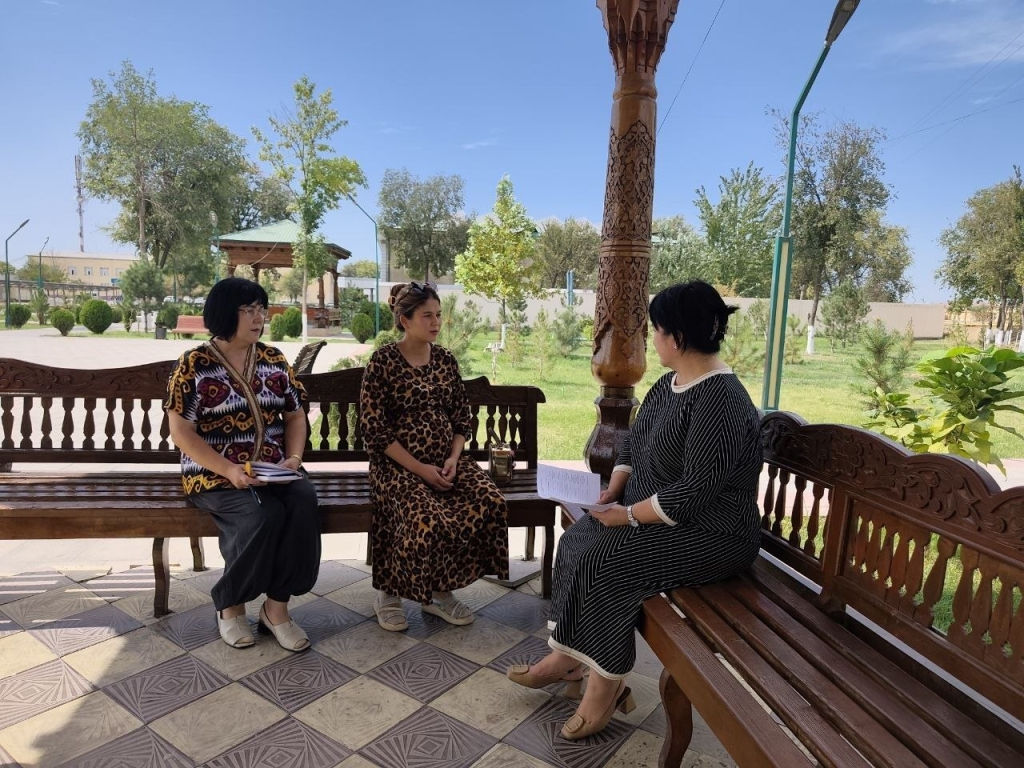
In the Boyovut district, efforts aimed at studying appeals on-site, determining the social status of women, exploring opportunities to expand their employment and sources of income, holding open dialogues with youth, and defining practical solutions for each issue are a vital link in a unified system designed to serve human interests. The head of the Department of Family and Women's Affairs personally took control of ensuring the positive resolution of each appeal, the timely completion of assigned tasks, and the effectiveness of the assistance provided.
Most importantly, working door-to-door creates the opportunity to address the cause of a problem, not just its consequences. This establishes a solid foundation for reducing poverty, increasing public employment and income, ensuring the economic activity of women, and helping young people find their place in life.
In short, well-being is first and foremost formed within the household. If every problem in a household is identified in a timely manner and a person's potential is channeled correctly, the economic and social environment of not just one family, but the entire mahalla will change. In this sense, the surest way to reduce poverty begins with supporting individuals, creating opportunities for them, and establishing reliable conditions for them to build a decent life through their own labor.
G'ulom Primov, UzA correspondent