Nukus heat supply system modernization project reviewed
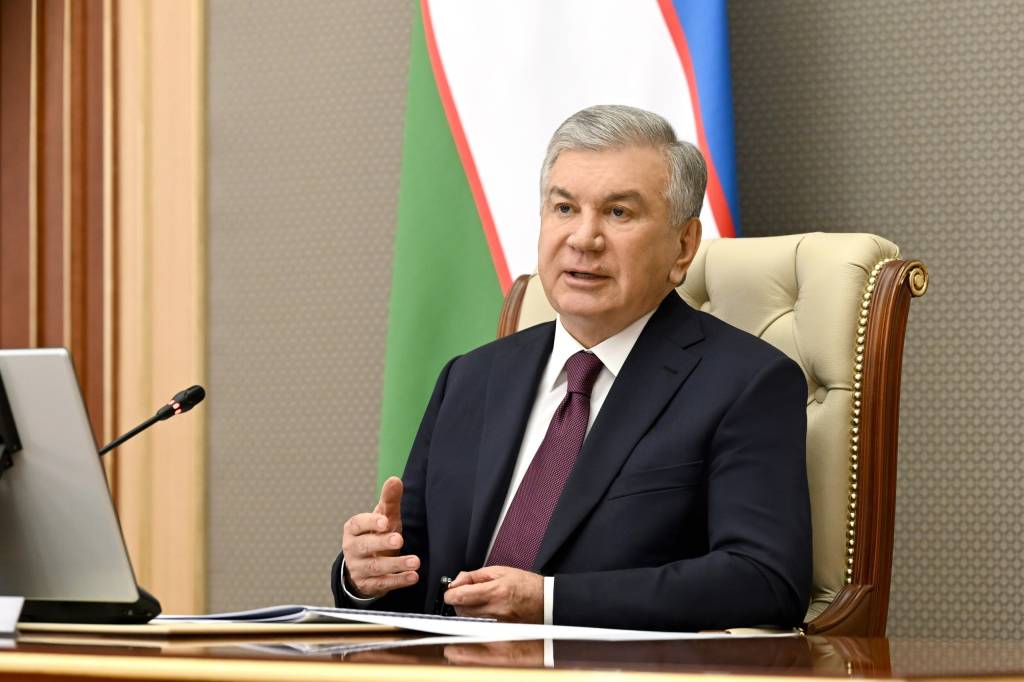
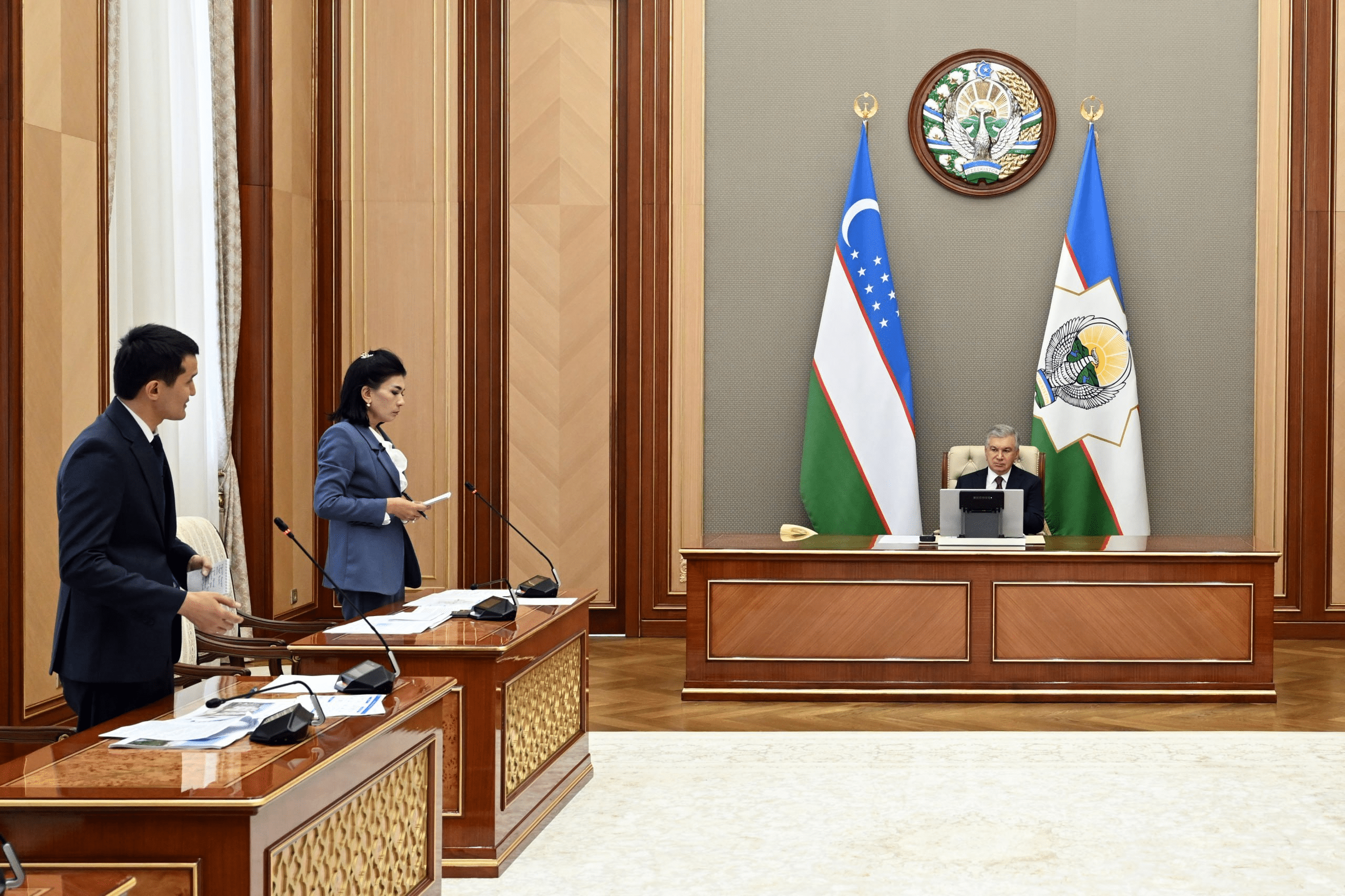
President Shavkat Mirziyoyev reviewed a presentation on upgrading the Nukus boiler house with cogeneration technology.
Ensuring a reliable heat supply to homes and social facilities in autumn and winter while integrating energy-efficient technologies is essential.
Currently, 47 apartment buildings in Nukus are linked to the centralized heating system, while 270 rely on local heating solutions. The rest of the apartment buildings heat their units with homemade devices, which not only consume a lot of energy but also endanger health and lives.
The city’s existing central boiler plant, built in 1976, currently serves mainly social facilities. Its equipment is technologically and physically obsolete, while energy efficiency remains low.
The existing boiler plant consumes approximately 153 cubic meters of natural gas and 30 kilowatt-hours of electricity to produce 1 gigacalorie of thermal energy. Its actual capacity is only 1.6 gigacalories per hour.
The presentation covered a project to update the boiler plant through a public-private partnership and the addition of cogeneration technologies.
Cogeneration technology enables the simultaneous production of electricity and heat from a single fuel source. This contributes to efficient resource use, lower production costs, and reduced harmful emissions into the environment.
The project involves constructing a modern complex with a thermal capacity of 34.4 gigacalories per hour and an electricity generation capacity of 21.5 megawatts.
In addition, 28 kilometers of heating networks will be laid, and 189 individual heating substations will be installed. Internal heating systems in apartment buildings and social facilities will be restored, and the necessary gas and electrical infrastructure will be modernized.
In the first stage, centralized heat supply will be provided to approximately 6,000 apartments in 136 apartment buildings housing 23,000 people, as well as to 40 social facilities. In subsequent stages, all apartment buildings and social facilities in Nukus are expected to be connected to the centralized heat supply system.
Over $20 million in foreign direct investment is expected to be attracted for the first stage of the project. The complex aims to be fully operational by February 2028.
Due to the modernization, the boiler plant’s efficiency will improve from 80% to 91%. Thermal energy output will increase several dozenfold, and the facility will be capable of producing up to 172,000 megawatt-hours of electricity each year.
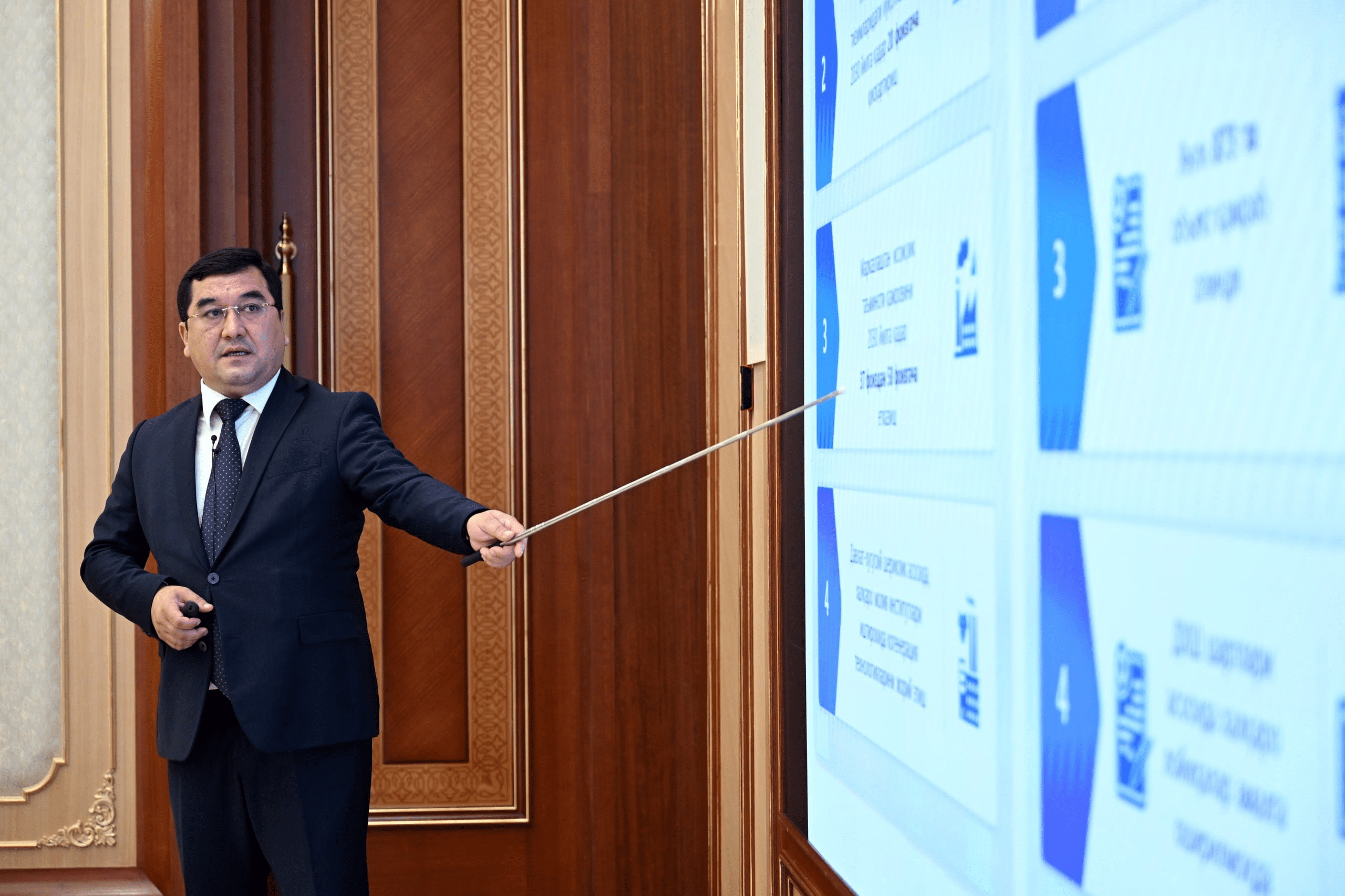
Annual natural gas savings will total 12.2 million cubic meters. Harmful emissions into the atmosphere will also be significantly reduced.
The new complex will generate 19 jobs, with employees receiving advanced training in modern technology usage and equipment maintenance.
The Head of State stressed that the project should prioritize delivering a reliable, safe, and high-quality heat supply to the population, while also ensuring that construction is completed to high standards and within the set timeline.
The responsible officials were given specific instructions to coordinate the project’s implementation and ensure the timely resolution of all infrastructure-related issues.
Proposals were also considered for modernizing the boiler plants in Bukhara, Samarkand, Urgench, and Zarafshan, drawing on the Nukus experience, with plans to implement cogeneration and trigeneration technologies.
UzA