Measures to develop the fisheries sector discussed
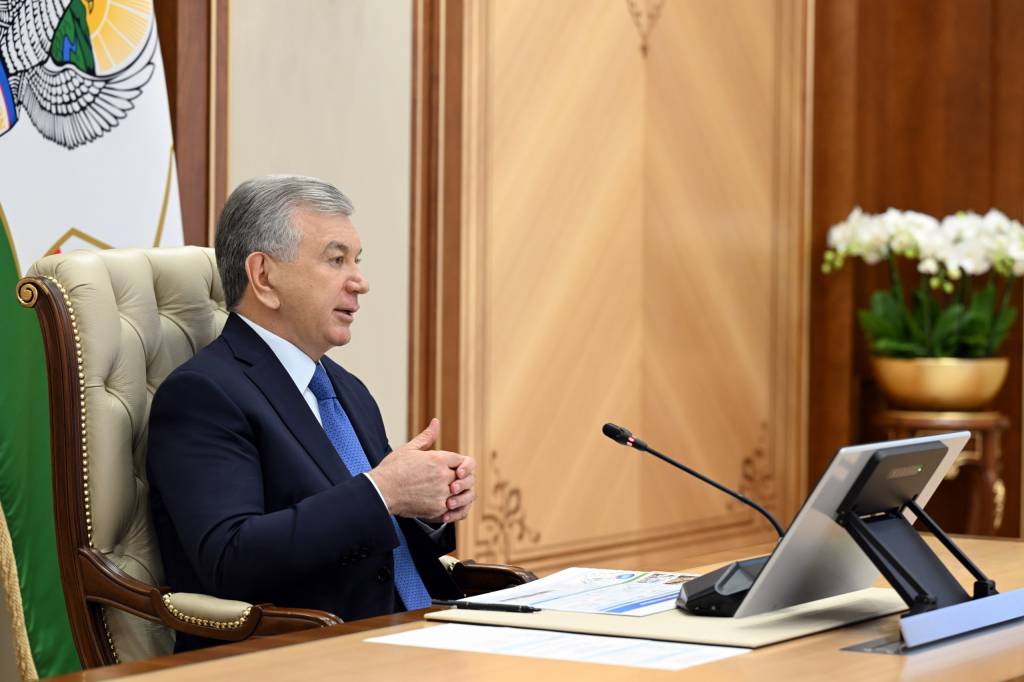
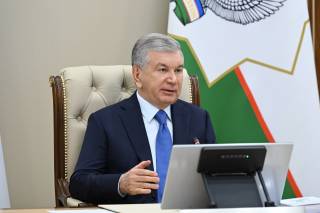
President Shavkat Mirziyoyev reviewed a presentation outlining proposals to develop and support the fisheries sector.
Fish farming plays a crucial role in food security, boosting rural incomes, and making sustainable use of water resources. Aquaculture is experiencing rapid global growth, and for the first time, the amount of fish farmed has surpassed the catch from natural water bodies.
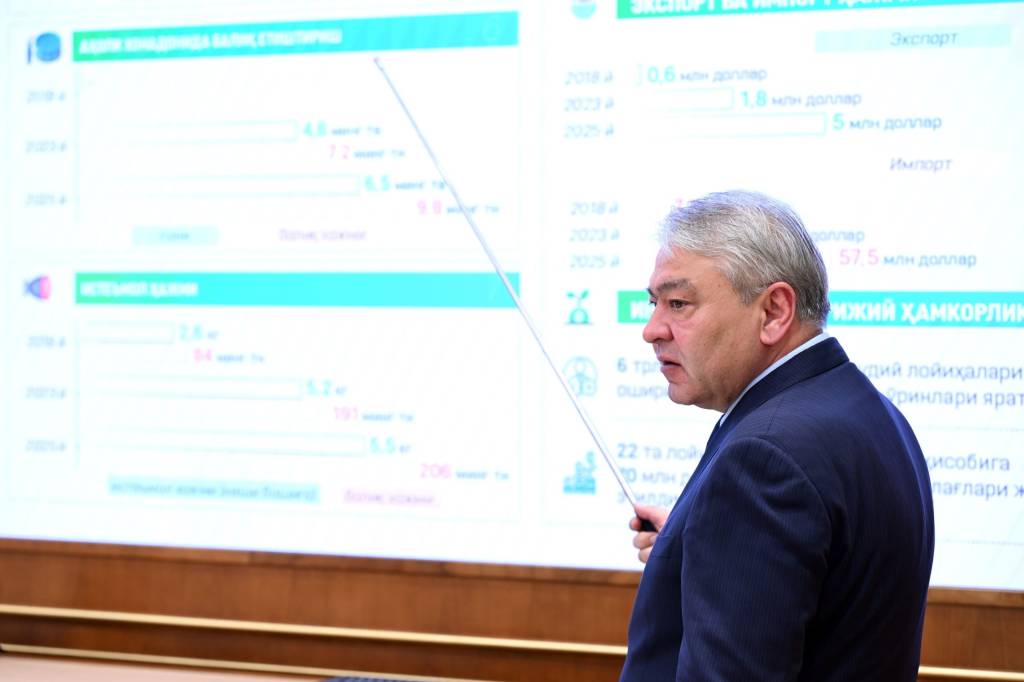
Uzbekistan holds considerable potential for developing this sector. The country has a total of 150,000 kilometers of rivers, canals, and watercourses. Although water resources are limited, Uzbekistan leads Central Asia in fish production, with 206,000 tons produced in 2025.
In recent years, the demand for protein-rich foods has risen alongside population growth. Fish is an affordable, nutritious, and healthy food source. Consequently, there has been a growing emphasis on shifting from traditional lake-based fish farming to systems that utilize water more efficiently through recirculation and advanced intensive technologies.

The necessity of establishing a new transparent system for leasing 329 natural water bodies and reservoirs, along with 163,000 hectares of nearby land, to ensure water supplies for intensive fish farms and breeding enterprises was emphasized.
Currently, less than 20 percent of fish production relies on intensive methods, despite their potential to significantly boost productivity and income. Fully tapping into this potential could potentially increase fish output fivefold.
It was emphasized that new technologies should be integrated into the sector, with financial support for entrepreneurs. This includes partially subsidizing the costs of installing recirculating aquaculture systems, providing subsidies for importing broodstock, promoting solar panel installations, and reimbursing a portion of the interest on concessional loans used to replenish working capital.
Mechanisms will be established to allocate loans to fish farms and to partially cover interest expenses on loans in both national and foreign currencies.
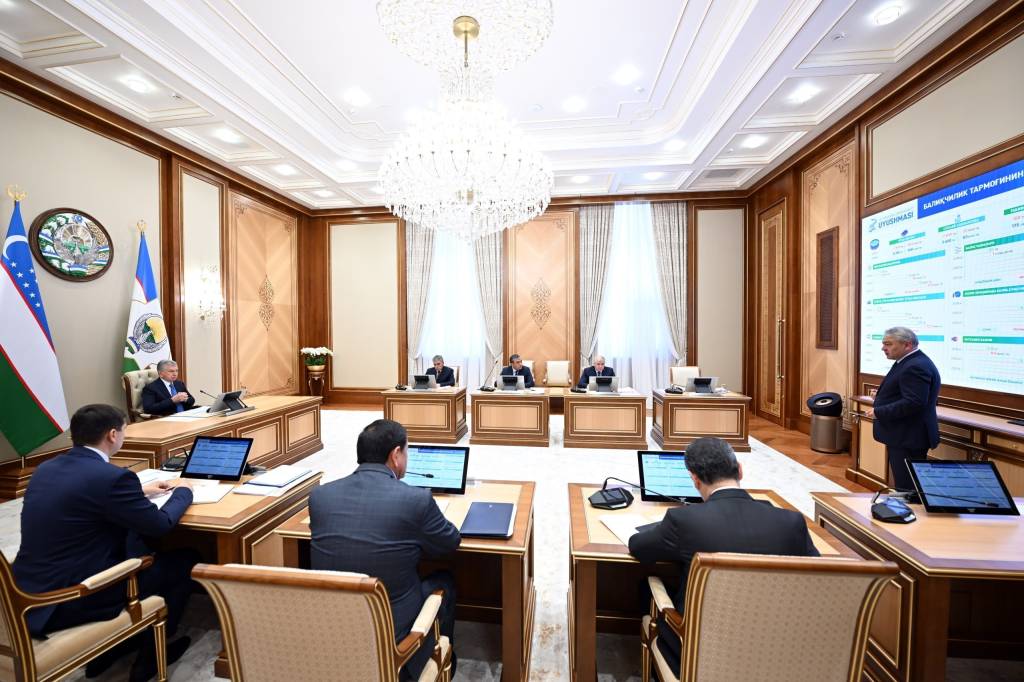
Instructions were issued to leverage these opportunities and implement measures to increase fish production to over 500,000 tons next year.
The presentation highlighted the importance of breeding and a scientific approach. It was emphasized that high-quality juvenile fish and strong genetics are essential for achieving high productivity. Consequently, efforts will focus on enhancing carp, catfish, trout, and sturgeon breeds, as well as adapting new species to suit local climate conditions.
Starting next year, facilities with an annual production capacity of up to 20,000 tons of trout and sturgeon are scheduled to be built in foothill regions. A pilot site will be established by the Research Institute of Fisheries along the Akhangaran River. Additionally, foreign grants will be secured to support the development of a national carp breed.
Training qualified personnel was also recognized as a key task for the sector. A proposal was made to establish a joint faculty of fisheries and aquaculture at the Agrarian University, in collaboration with China’s Dalian Ocean University.
Special attention was given to digitalizing the fisheries sector. The plan included developing a unified electronic platform that integrates data on water use, land plots, illegal fishing, tax payments, and volumes of harvested fish. It was also highlighted that increasing the use of artificial intelligence technologies could lower costs and boost productivity.
The President approved the proposals and emphasized the importance of increasing support measures for the sector.
The responsible officials were directed to develop the fisheries sector using modern technologies, a scientific approach, and effective management. They should also create favorable conditions for entrepreneurs, ensure the rational use of water resources, and supply the population with affordable, high-quality fish products.
UzA