ISRS: Uzbekistan’s new corridors as a response to global risks
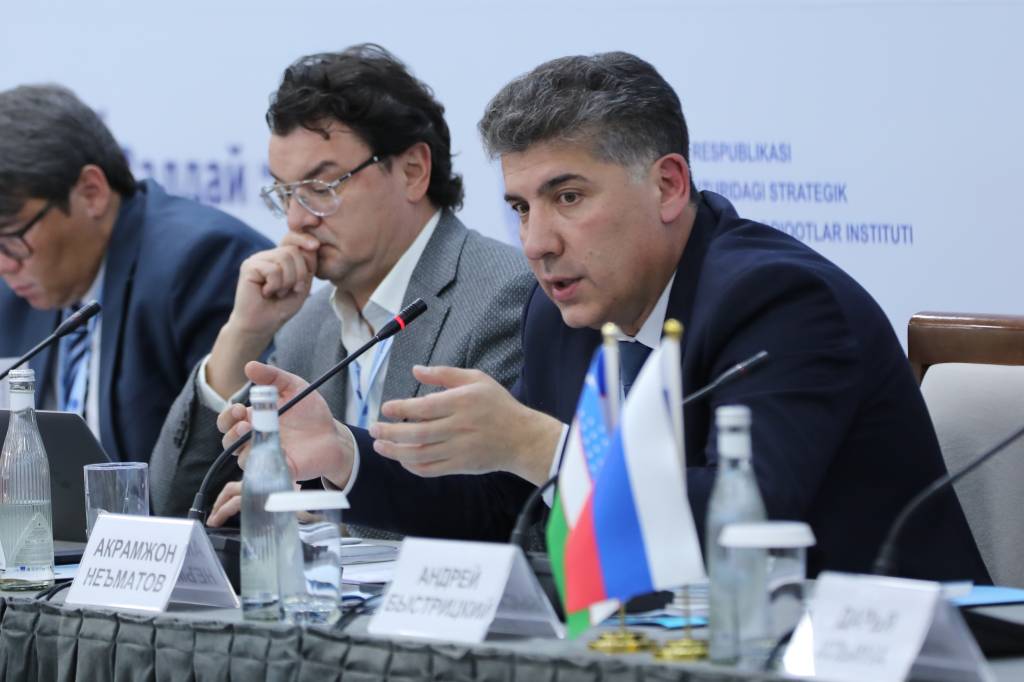
Speaking at the international conference “Uzbekistan – Russia: strategic partnership in the Eurasian space” in Termez and moderating the session “Connecting North and South: transport, logistics, infrastructure”, First Deputy Director of the Institute for Strategic and Regional Studies Akramjon Nematov emphasized that a main priority for Russia and Uzbekistan is developing a strong transportation system and adaptable infrastructure for international trade based on modern technological solutions.
This suggests deepening cooperation to enhance transport and logistics efficiency, establishing cross-border corridors with trade and industrial clusters, and widely adopting digital and communication technologies.
At the same time, the main task is to develop an integrated production and technological space that is resilient to external turbulence.
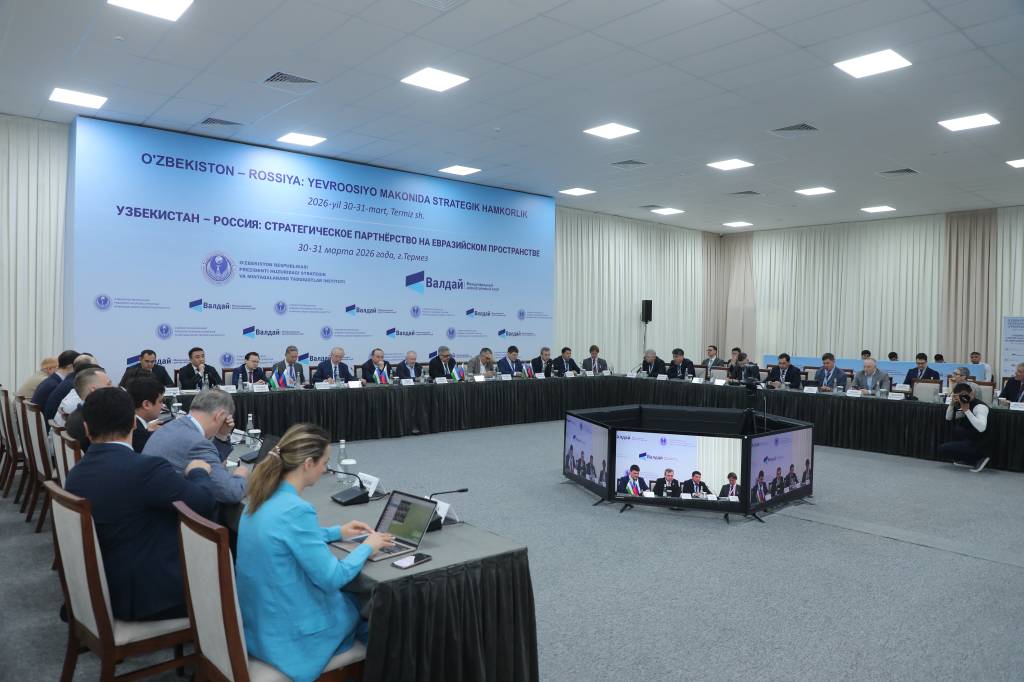
As the expert noted, the implementation of the Concept for the Development of Uzbekistan’s Transport and Logistics System until 2030, adopted in 2025 on President Shavkat Mirziyoyev’s initiative, includes removing barriers, reducing transportation time, expanding the logistics services market and 3PL operators, modernizing infrastructure, and digitalizing with integration into international systems.
As a result, there will be a threefold increase in cargo logistics processing, a doubling of international transportation and logistics service exports, and an increase in transit to 22 million tons, while simultaneously strengthening the country’s position in global rankings.
The introduction of digital solutions will also enable greater transparency in transportation, generate additional value, foster industrial collaboration, and create new growth opportunities along transport corridors.
Within this architecture, the Termez hub plays a crucial role as the southern gateway and a link between Central and South Asia, offering the shortest route to the ports of the Indian Ocean.
In summary, Akramjon Nematov highlighted that developing a multi-option, high-tech transport network is a strategic necessity for maintaining regional stability and boosting the competitiveness of the Eurasian region. As part of this goal, Uzbekistan’s modern development approach focuses on building an integrated logistics system that will position the country as a leading cargo hub across this vast continent.
UzA