ISRS expert: Afghanistan participates in the regional water dialogue
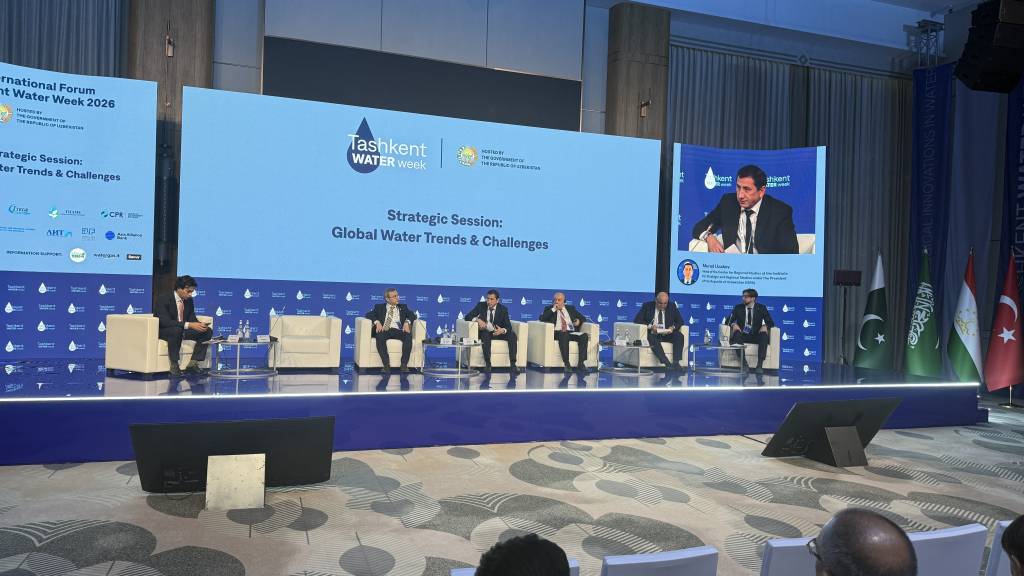
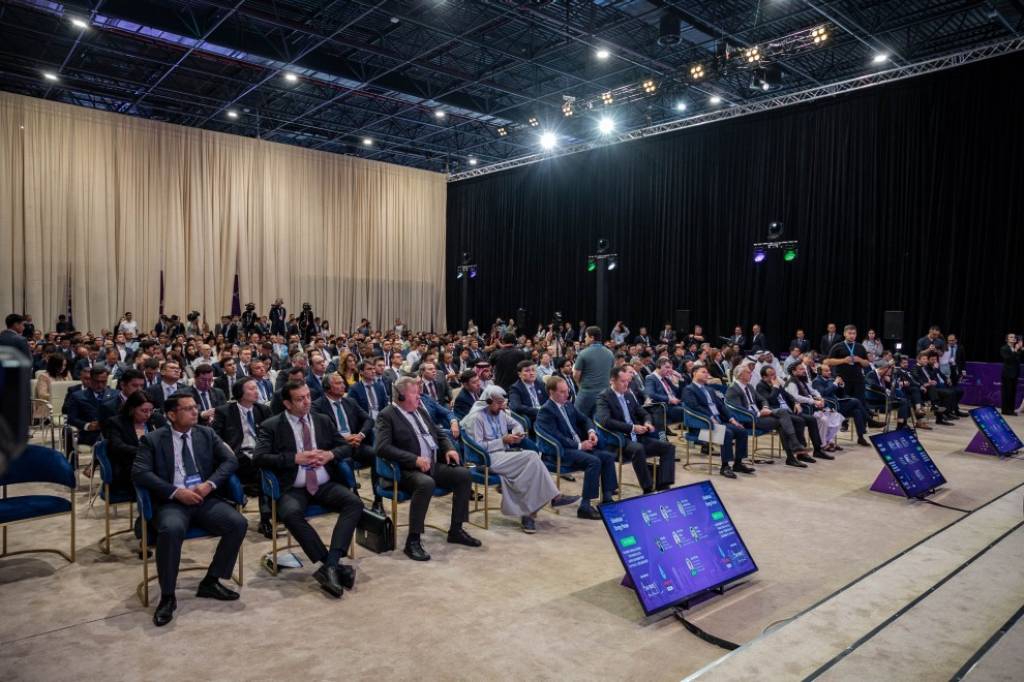
On March 25-26 this year, the international forum “Tashkent Water Week – 2026” took place in Tashkent.
The forum gained particular importance because of its inclusive nature, which brought together representatives from governments, international and regional organizations, the private sector, and the scientific, expert, and analytical communities.
The main discussion focused on introducing technologies and innovations into water resource management amid climate change and increasing infrastructure demands.
Murad Uzakov, Head of the Centre at the Institute for Strategic and Regional Studies under the President of Uzbekistan (ISRS), pointed out that, amid increasing climate challenges, coordinating efforts to manage water resources effectively is becoming a regional priority.
“In recent years, there has been a growing influence of natural, human-made, and technogenic processes, which are negatively affecting the region’s water and climate balance”, he emphasized. According to him, such trends pose significant challenges for socio-economic development, environmental health, and the security of the region’s states.
In these circumstances, there is a growing need to reconsider approaches to the rational use of water and to enhance cooperation in this field. At the same time, emphasis was placed on the atmosphere of political trust that has developed, which is creating new opportunities for developing mutually beneficial solutions.
Additionally, most disputed issues related to water management facilities in border areas have already been resolved, while the regimes and volumes of water withdrawal from transboundary rivers are in the process of being coordinated.
Furthermore, the countries in the region have begun implementing joint projects. For example, the ISRS representative mentioned the successful collaboration between Uzbekistan, Kazakhstan, and Kyrgyzstan in building the Kambarata Hydropower Plant-1 and the shared use of water and energy resources from the Naryn River.
It was noted that Central Asian countries are especially focusing on implementing water-saving technologies and finding compromises between the water and energy sectors.
In this context, it was stated that the area of irrigated land in Uzbekistan using modern water-saving technologies has now reached 2.6 million hectares (60% of the total). For comparison, before 2017, such areas totaled only 19 thousand hectares. As a result of these efforts, approximately 2.5 billion cubic meters of water are conserved each year.
As Murad Uzakov pointed out, “Afghanistan occupies a special place in regional water cooperation, and significant prospects for cooperation are seen here”. In this context, the importance of developing joint efforts with Afghan partners was emphasized in areas such as modernizing irrigation systems, monitoring water conditions, introducing innovations, conducting joint research, and training personnel.
In conclusion, the expert highlighted that the success of future water resource management relies on coordinated efforts and unified actions. He expressed confidence that sharing experiences and collaborating on research will help implement best practices in the region’s water sector.
The forum is being organized at the initiative of the Government of the Republic of Uzbekistan with support from the Ministry of Water Resources of Uzbekistan. Key organizers include Iteca Exhibitions, the Tashkent Institute of Irrigation and Agricultural Mechanization Engineers, the Center for Progressive Reforms, and other leading national scientific, educational, and analytical institutions. The Institute for Strategic and Regional Studies under the President of Uzbekistan serves as a strategic partner.
UzA