Human rights amid digital transformation
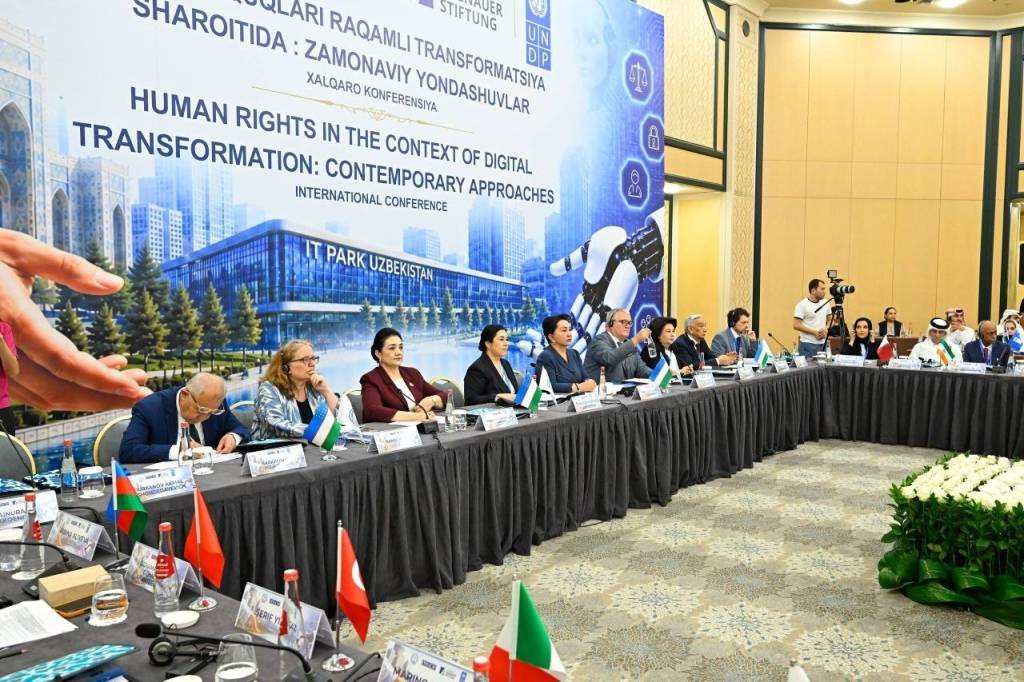
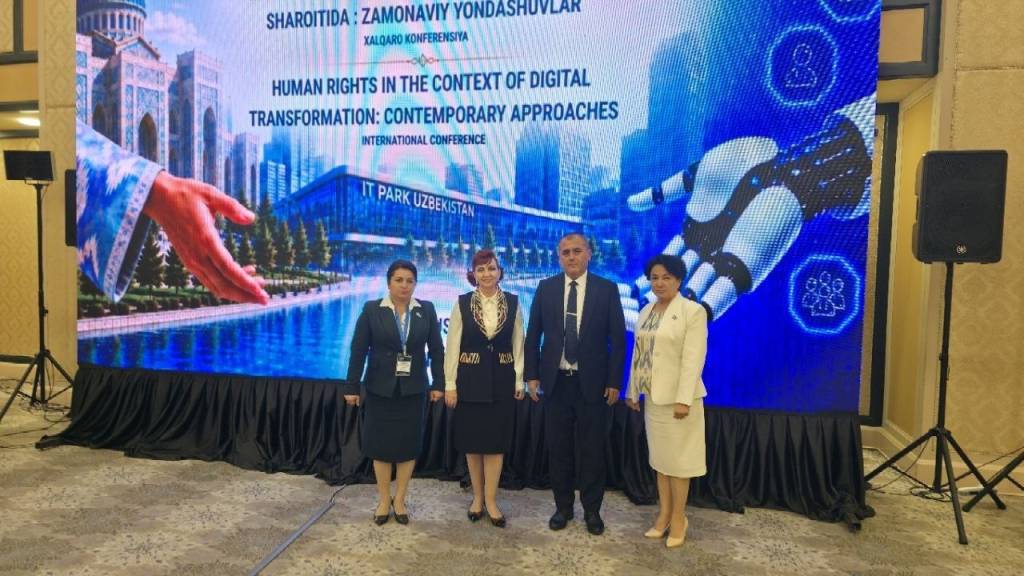
An international conference “Human Rights in the Context of Digital Transformation: Contemporary Approaches” was held in Tashkent at the initiative of the Commissioner of the Oliy Majlis of the Republic of Uzbekistan for Human Rights (Ombudsman), in cooperation with the United Nations Development Programme (UNDP), the OSCE Project Co-ordinator in Uzbekistan, and the Konrad Adenauer Foundation Office in Uzbekistan.
The international forum, marking the 35th anniversary of Uzbekistan’s independence, centered on modern strategies for safeguarding human rights and freedoms amid digital transformation. It included sharing best international practices and enhancing collaboration between national human rights bodies and global organizations.
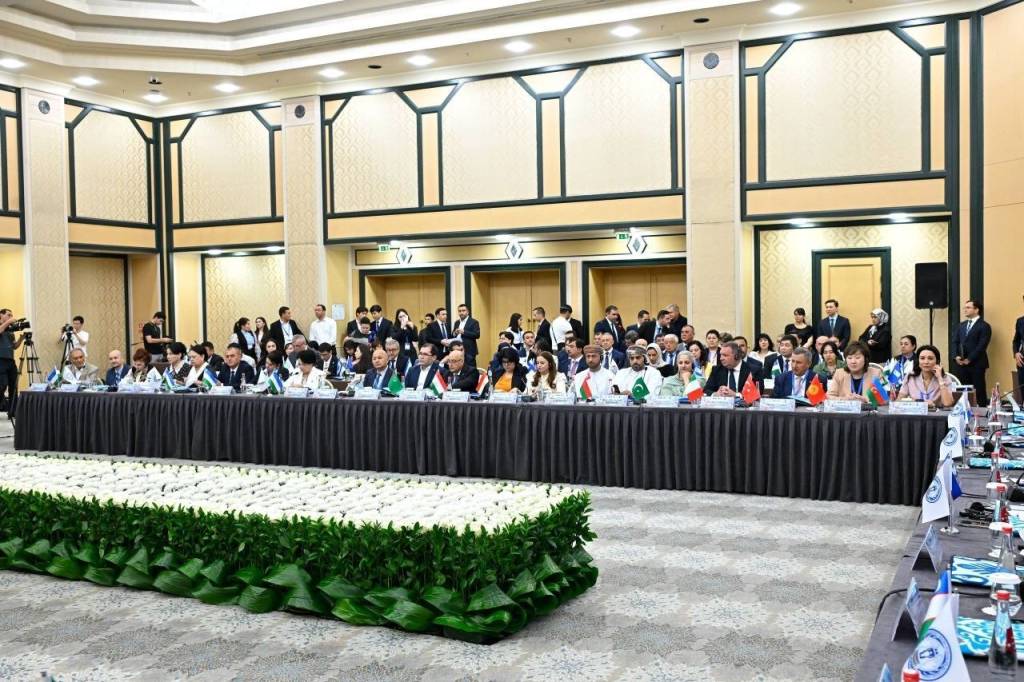
The event gathered representatives from ombudsperson offices, national human rights bodies, and international organizations from over 25 countries, including Greece, Georgia, Spain, Italy, Kazakhstan, Qatar, Kyrgyzstan, Malaysia, Egypt, Azerbaijan, Pakistan, Russia, Slovakia, Thailand, Tajikistan, Türkiye, Turkmenistan, Oman, India, and Switzerland. Parliament members, officials from various government agencies, the diplomatic corps, members of the Commission under the Commissioner of the Oliy Majlis for Human Rights, scholars, civil society representatives, NGOs, and media personnel also attended the event.
Commissioner Feruza Eshmatova opened the international conference by emphasizing that digital transformation brings both new opportunities and increased responsibilities for human rights protection. She stated, “For us, digital transformation is not merely a technological upgrade, but also an obligation to uphold human dignity in today’s environment. Today, people’s rights, honor, personal data and security must be reliably protected not only in real life but also in the online space”.
In her opening remarks, Tanzila Narbayeva, Chairperson of the Senate of the Oliy Majlis of the Republic of Uzbekistan, emphasized the significance of the Ombudsman institution in safeguarding human rights in New Uzbekistan.
The international conference proceeded with thematic sessions covering three areas. The discussions concentrated on:
– promoting women’s rights and gender equality in the digital sphere, while safeguarding women from online violence, cyber threats, and digital discrimination;
– protecting the rights of young people amid digital transformation, ensuring internet safety, preventing cyberbullying, and safeguarding personal data;
– developing inclusive digital services for people with disabilities and ensuring equal access to information and electronic public services.
During the conference, several documents were signed to enhance the ties of the Commissioner of the Oliy Majlis for Human Rights (Ombudsman) with both national and international partners. Notably, cooperation agreements were reached with the National Human Rights Committee of Qatar, the Human Rights Commission of Malaysia, and other institutions.
The forum concluded with the adoption of the Tashkent Declaration, which highlights participants’ shared strategies to protect human rights and freedoms amid digital transformation. It emphasizes enhancing international cooperation, promoting digital inclusion, encouraging the responsible use of digital technologies and artificial intelligence, and developing legal and institutional frameworks to safeguard human rights in the digital realm.
Lira Shafique, UzA