Climate risks and prospects for Uzbekistan’s green development under discussion
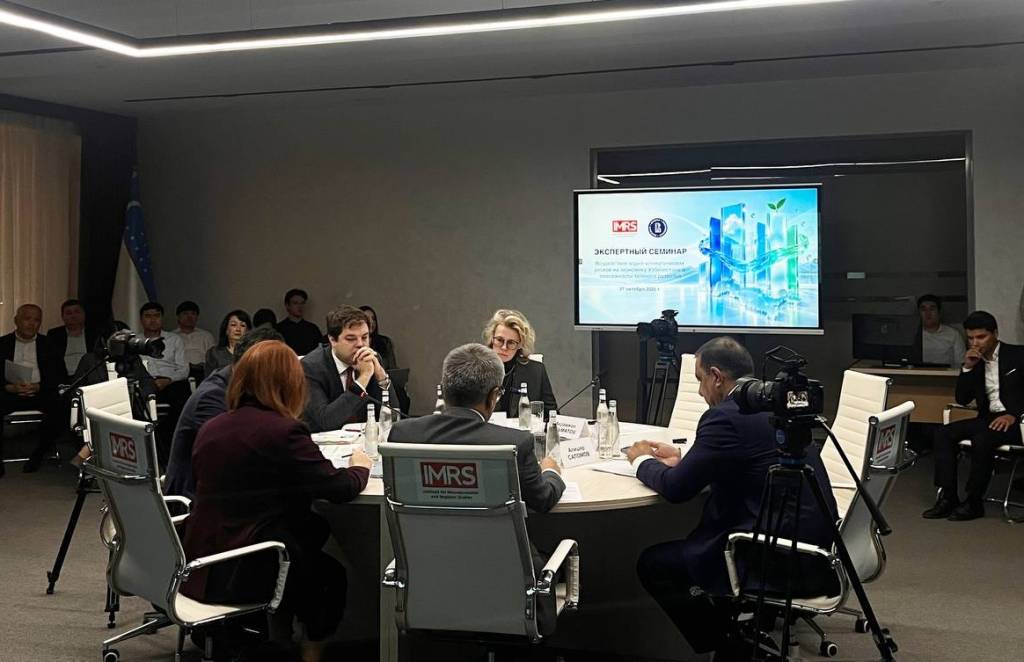
Tashkent hosted an international scientific-practical workshop on “The impact of water and climate risks on the economy of Uzbekistan and opportunities for green development”, devoted to climate sustainability of the national economy, rational use of water resources and the transition to a low-carbon development model.
The event was organized by the Institute of Macroeconomic and Regional Studies under the Cabinet of Ministers of the Republic of Uzbekistan (IMRS) and the National Research University Higher School of Economics (HSE, Russia) with the support of GPB Bank. The Institute for Strategic and Regional Studies under the President of the Republic of Uzbekistan (ISRS) co-organized the event.
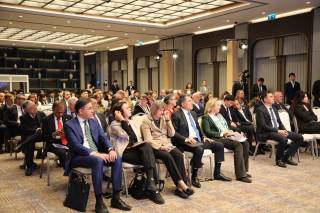
The event was attended by representatives of government agencies, research centers, higher educational institutions, and financial institutions from Uzbekistan and Russia. Participants included specialists from the Ministries of Economy and Finance, Energy, Water Resources, and Transport, the National Committee on Ecology and Climate Change, the National Statistics Committee, and specialized scientific and educational organizations from both countries.
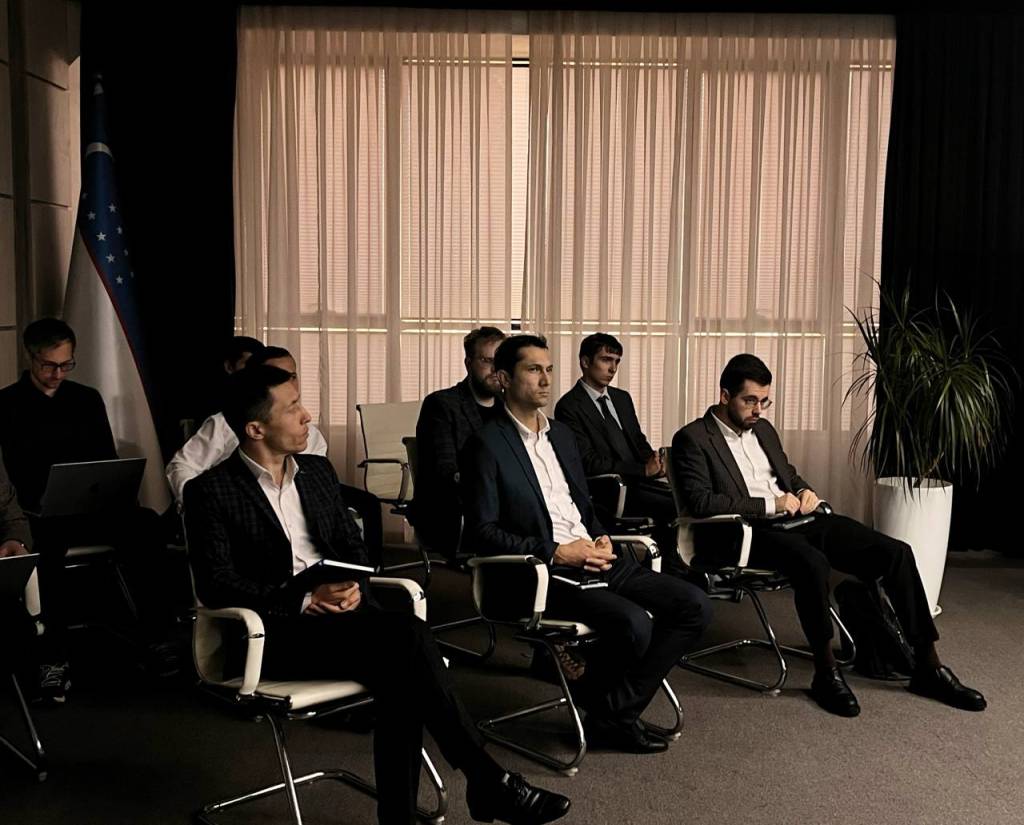
Russian experts included scientists from Higher School of Economics, the Institute for the Economics of Natural Resources and Climate Change, the Obukhov Institute of Atmospheric Physics of the Russian Academy of Sciences, and other scientific institutions.
Participants discussed the impact of water and climate risks on long-term economic development, industry, agriculture, foreign trade, and the quality of life in Uzbekistan. Special attention was given to the development of renewable energy, electric vehicles, the implementation of low-carbon technologies, increasing energy efficiency, and improving carbon regulation mechanisms. It was noted that climate change and water scarcity are becoming not only environmental but also critical socio-economic challenges.
Addressing the event, Alisher Salomov, Advisor to the Chairman of the National Committee on Ecology and Climate Change of the Republic of Uzbekistan, stressed the need for a systemic approach in adapting the economy to changing environmental and climate conditions.
Following the event, the participants outlined the priorities for further scientific and practical cooperation. These include expanding the exchange of scientific data and experience, improving climate forecasting, and preparing targeted recommendations for specific regions and economic sectors.
The participants expressed confidence that joining the efforts of government agencies, research centers, international financial institutions, and technology partners will help mitigate climate risks more effectively, strengthen water and energy security, and increase the competitiveness of the national economy.
Aziza Alimova, UzA