Global Media Dialogue continues in Beijing
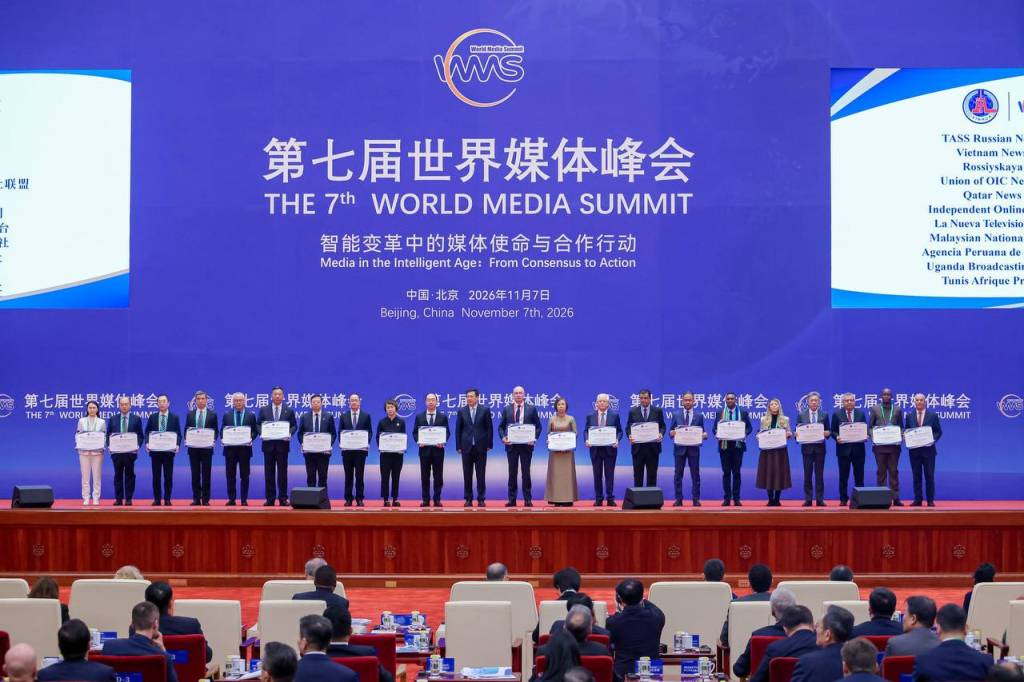
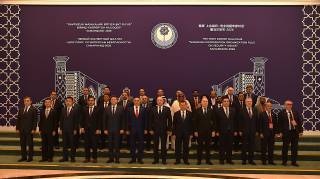
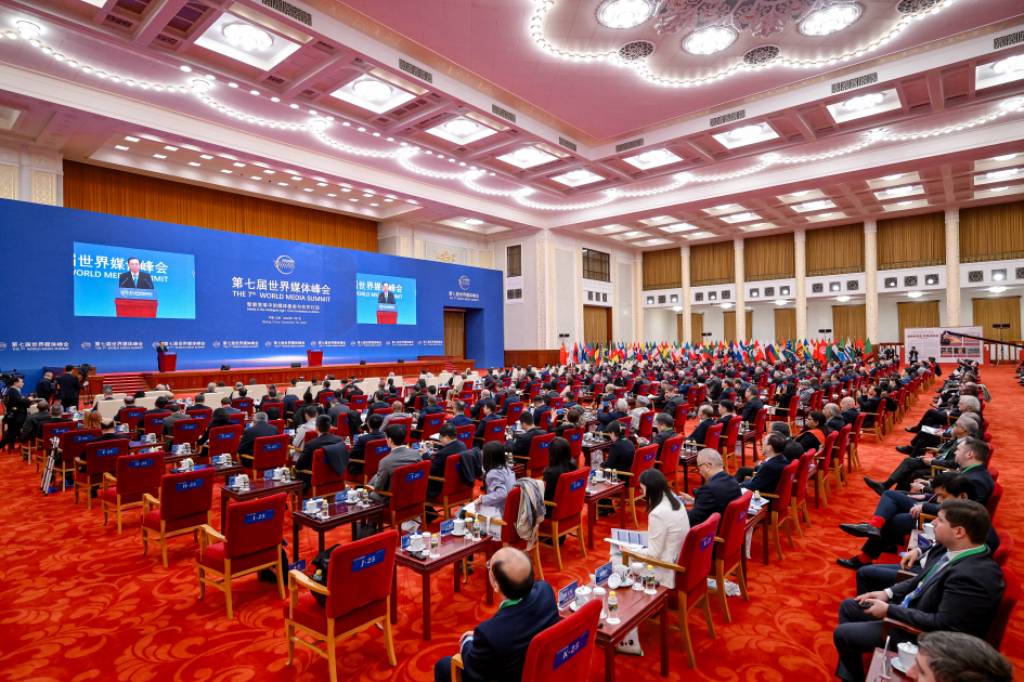
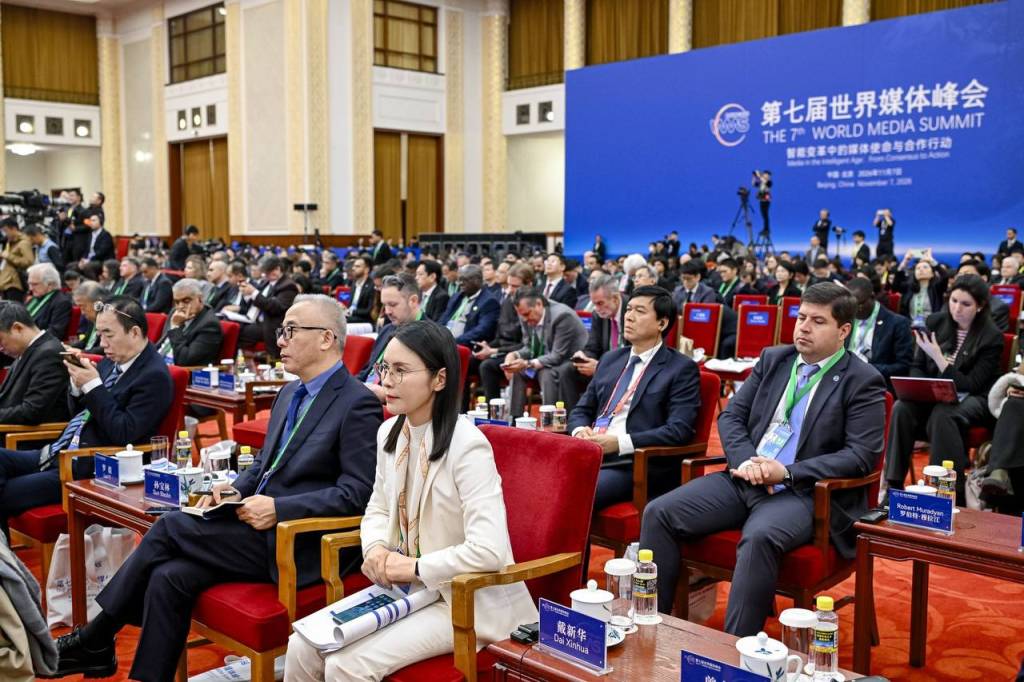
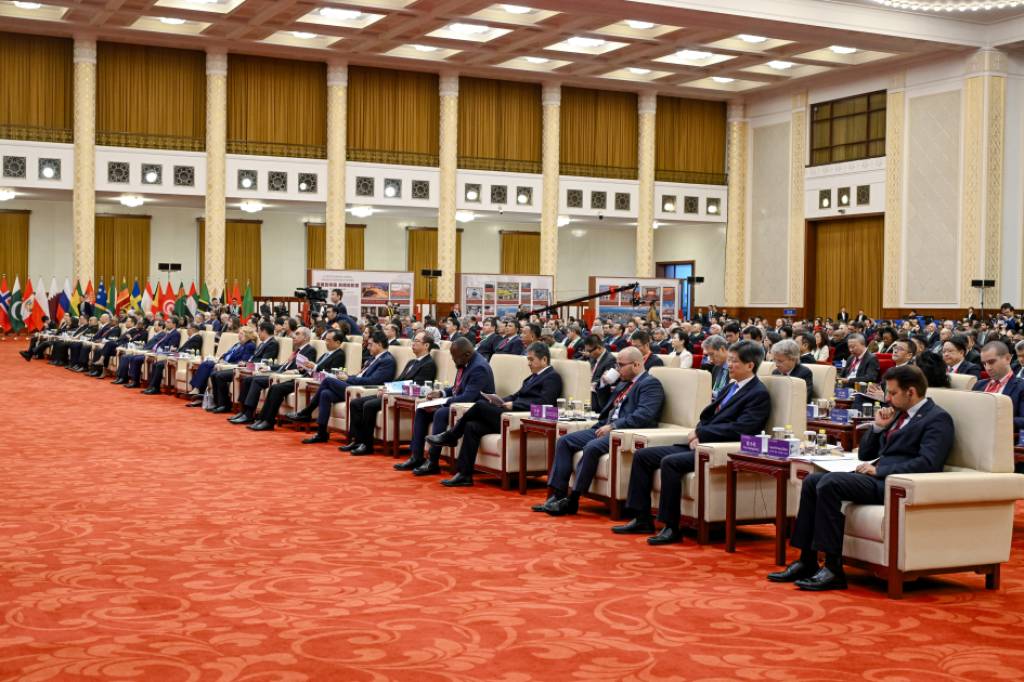
The 7th World Media Summit, jointly organized by China’s Xinhua News Agency and the Beijing Municipal People’s Government, is continuing in China.
The high-profile gathering has brought together nearly 500 representatives from around 330 media outlets, think tanks, government agencies and news agencies across 112 countries and regions.
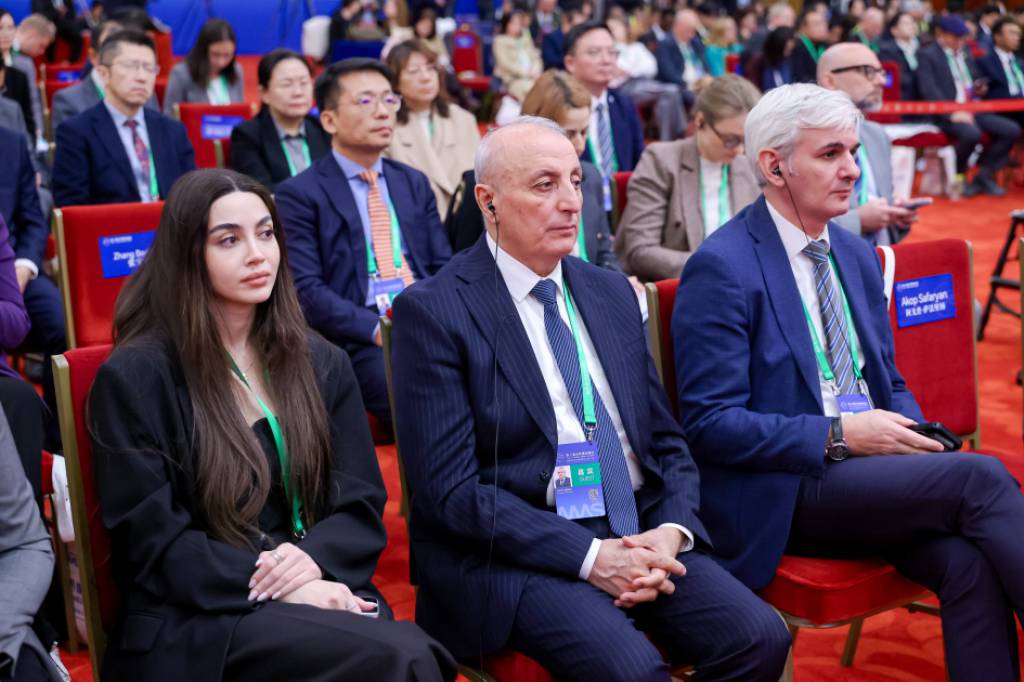
Held under the theme “Media in the Intelligent Age: From Consensus to Action”, the summit addresses pressing issues such as the future of modern journalism, the effective use of AI technologies, and ensuring the reliability of information in the context of global security.
The summit’s agenda also includes applying AI in news gathering, content creation and distribution, developing multilingual databases in cooperation with technology companies, and providing effective AI services for developing countries (the Global South) and smaller media organizations. Content security, algorithmic transparency, and the preservation of journalistic integrity are also key topics of discussion.
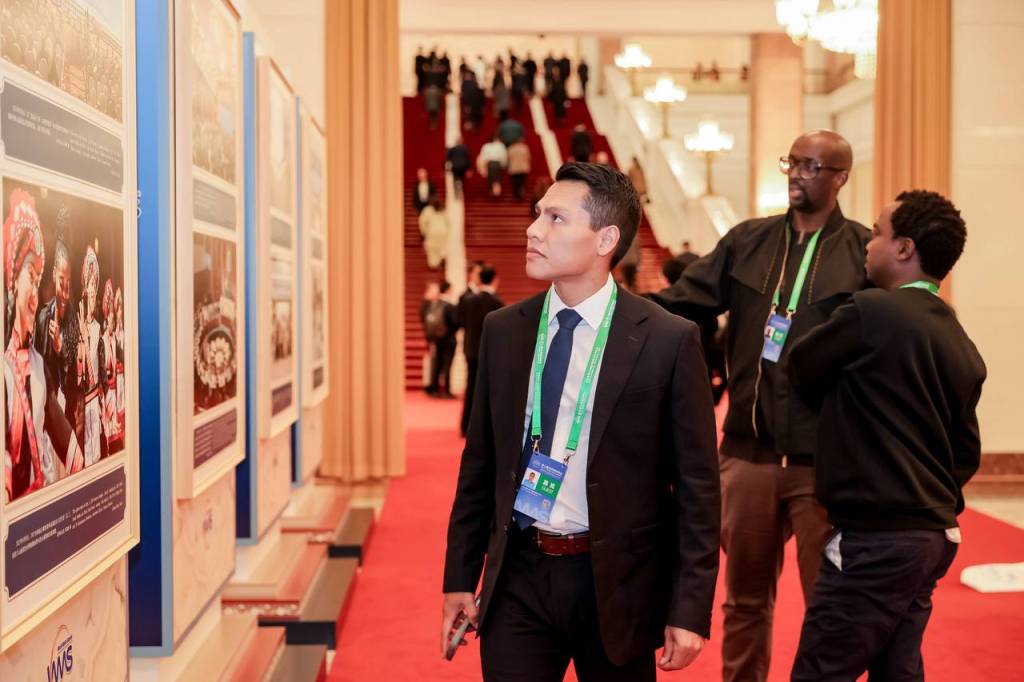
As part of the conference’s “The Beijing approach: decoding Chinese modernization” program, participants gained firsthand insights into the development of Beijing’s new sub-center, the preservation of historical heritage and urban infrastructure management.
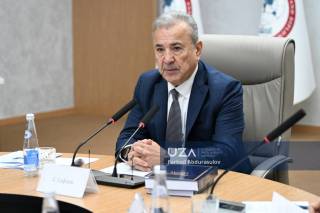
Abdusaid Kuchimov, Director General of the Uzbekistan National News Agency (UzA), who is attending the summit, emphasized that media dialogue and collaborative development are more important than ever amid growing threats to global security.
According to Mr. Kuchimov, the World Media Summit clearly reflects the shared commitment of media organizations from different countries to dialogue and cooperation. He noted that these principles are among the fundamental values of modern journalism.
Mr. Kuchimov also highlighted the complex and challenging period humanity is currently experiencing. Geopolitical tensions, regional conflicts, climate change, economic instability, cybersecurity threats and intense competition in the information space are giving new meaning to the concept of global security.
“In these circumstances, information is no longer merely a means of reporting events. It is becoming an important factor in strengthening public trust, fostering mutual understanding between nations, preserving peace and achieving sustainable development”, the UzA Director General said.
He also noted that the Uzbekistan National News Agency places particular emphasis on developing professional cooperation with foreign news agencies while keeping the international community informed about the wide-ranging reforms being implemented in Uzbekistan.
According to the organizers, the forum is expected to conclude with the presentation of the Beijing Consensus of the 7th World Media Summit and the book “AI + Media: Global Development Report 2026”. Plans also include promoting Xinhua Dictionary’s AI agent internationally, holding exhibitions highlighting China’s achievements in high-quality development, and advancing an initiative to develop global standards for applying artificial intelligence.
The international gathering, which runs through November 9, represents an important step toward not only strengthening the media’s responsibility in the age of artificial intelligence but also building mutual trust in the global information space and promoting peace.
Sherzod Isayev, UzA