


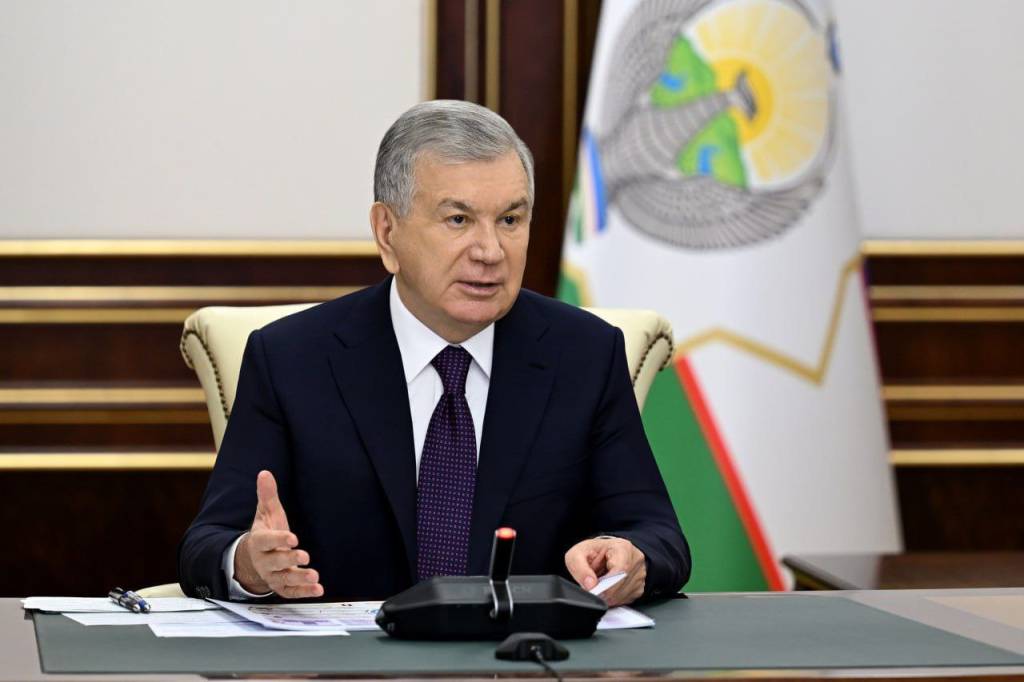
On November 3, President Shavkat Mirziyoyev reviewed proposals aimed at protecting the nation’s gene pool from drug addiction, increasing the effectiveness of efforts to combat cybercrime, and advancing the digitalization of the prosecutorial oversight system.
In recent years, drug-related crime has become one of the global threats to humanity. According to analysts, more than 400 million people worldwide suffer from drug addiction, and about 300,000 people die annually from drug-related causes.
Unfortunately, this threat also affects our country. Since the beginning of the year, more than 11,000 drug-related crimes have been detected, and about 2.5 tons of narcotic substances have been seized. Each year, new forms and methods of narcotic crime emerge, and their scope expands, underscoring the need for urgent, comprehensive measures to combat drug-related crime and drug abuse.

The negative trends observed in this area were examined at the meeting.
In particular, psychotropic and synthetic substances in pharmaceutical forms, easy to store and distribute, are becoming increasingly widespread, especially among young people. Synthetic drug production is being set up in underground laboratories, distribution is primarily carried out online in non-contact formats, and transnational criminal groups are becoming the primary sources of proliferation.
“Therefore, it is time to introduce provisions into national legislation aimed at preventing such threats, combating them uncompromisingly, and fully eradicating this evil”, the Head of State emphasized.
Officials presented proposals for eliminating the illegal drug trade. Comprehensive measures and mechanisms were proposed to ensure effective protection of public health and the nation’s genetic heritage from this threat.
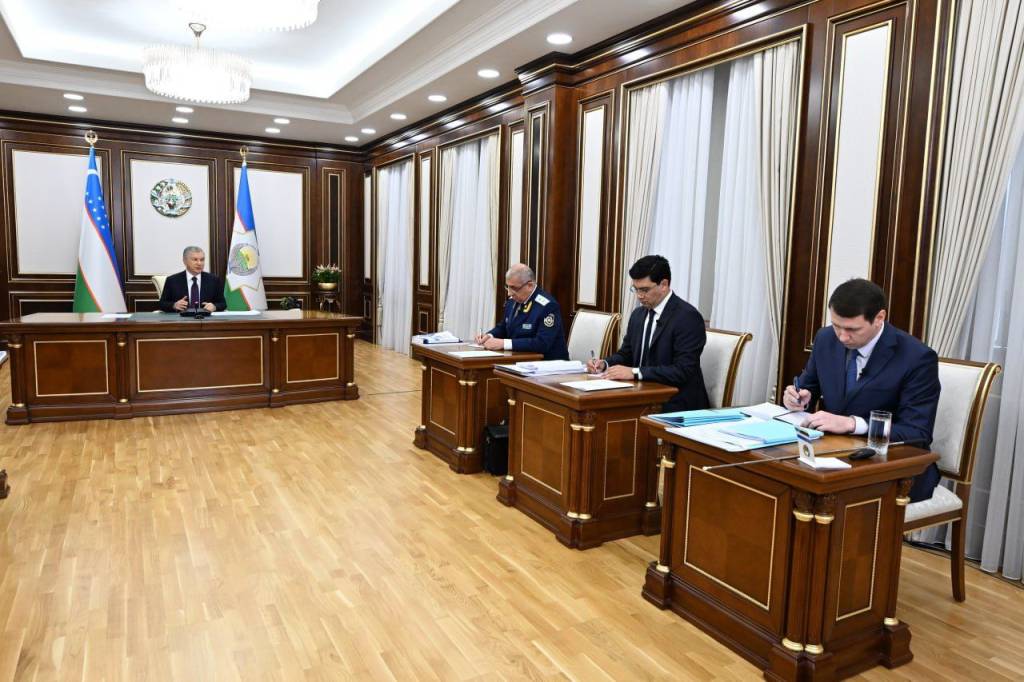
It was noted that implementing effective practical measures to prevent the spread of drugs among school and university students, and fostering a zero-tolerance attitude toward this phenomenon among young people, should be defined as one of the priority tasks of all relevant bodies and organizations.
The need to eradicate the illegal circulation of narcotics, especially among young people, was emphasized, including through the application of stricter criminal-legal mechanisms. This entails tougher penalties for drug-related crimes involving youth, as well as large-scale investigative and operational efforts to identify and stop the activities of online distributors, organized groups, and drug laboratories, along with any officials providing them protection.
In addition, the system for diagnosing, treating, and rehabilitating minors and young people suffering from drug addiction will be fundamentally improved.
Following the presentation, the President approved the draft National Program of Comprehensive Practical Measures to Prevent and Combat Drug-Related Crimes for 2025-2026, which includes over 100 operational-preventive, organizational-educational, and informational-promotional activities. Relevant instructions were issued to ensure continuous efforts in this area.
The issues related to combating cybercrime were also addressed at the meeting.
Currently, more than 31 million citizens in Uzbekistan use the internet. Over the past five years, the number of cybercrimes has increased 68-fold, with more than 46,000 cases identified this year alone. The material damage inflicted on individuals and legal entities has exceeded 1.2 trillion UZS.

It was noted that incidents of fraud involving personal data, bank cards, and electronic signatures have sharply increased. Many crimes are now committed online, with cyber fraud involving bank cards among the most widespread schemes.
At the same time, reliable mechanisms for protecting personal data are lacking, and some businesses store client information in publicly accessible databases. Cybersecurity measures are also insufficient when using biometric identification and electronic signatures in public services.
Attention was also drawn to the ineffective measures to prevent cyberattacks in the banking system and to detect suspicious financial transactions.
In this regard, the need to strengthen the legal, technological, and methodological foundations of the sector was emphasized.
The importance of introducing mandatory cybersecurity requirements for handling personal data was highlighted, including the creation of a registry of operators handling such data and tightening liability for its unlawful use.
It was proposed to implement modern protection systems for issuing online microloans, to exempt citizens from obligations on microloans fraudulently obtained in their name without their knowledge, and to ensure round-the-clock blocking of suspicious bank accounts.

The need for scientific research to prevent new types of cybercrimes, such as attacks on smart devices and the illegal seizure of crypto assets, was also emphasized.
The President approved the proposals and instructed enhancing the capacity of the Cybersecurity Center under the Ministry of Internal Affairs, strengthening efforts to combat cybercrime, and introducing seven new forensic examination types to facilitate the prompt detection of cyber offenses.
The main goal of digitalizing sectors and government agencies is to reduce bureaucracy and corruption, while ensuring transparency and openness.
For instance, thanks to the digitalization of procurement procedures, 7.5 trillion UZS have been saved this year. Around one thousand types of public services are now provided remotely to citizens and entrepreneurs.
At the same time, more than 7,000 illegal documents have been issued by government agencies since the beginning of the year, and oversight bodies’ activities have resulted in violations of the rights of 12,500 entrepreneurs.
In this regard, it is necessary to establish a remote monitoring system to oversee the implementation of laws and fully digitalize the process of verifying the legality of decisions made by government bodies.
During the presentation, information was provided on proposals for introducing digital prosecutorial oversight within the General Prosecutor’s Office system, including the automation of verification and monitoring processes. This will enable prompt detection of legal violations, real-time tracking of officials’ actions, and transparency in oversight activities.
It was noted that the absence of a unified system for evaluating investigators’ performance and the manual preparation of reports negatively affect operational efficiency. Report preparation can take up to a week, and most case materials are still stored on paper.
Since the beginning of the year, procedural violations have occurred in 1,300 cases during decision-making by investigators, and 637 cases have been returned by the courts for further investigation due to deficiencies in the inquiry.
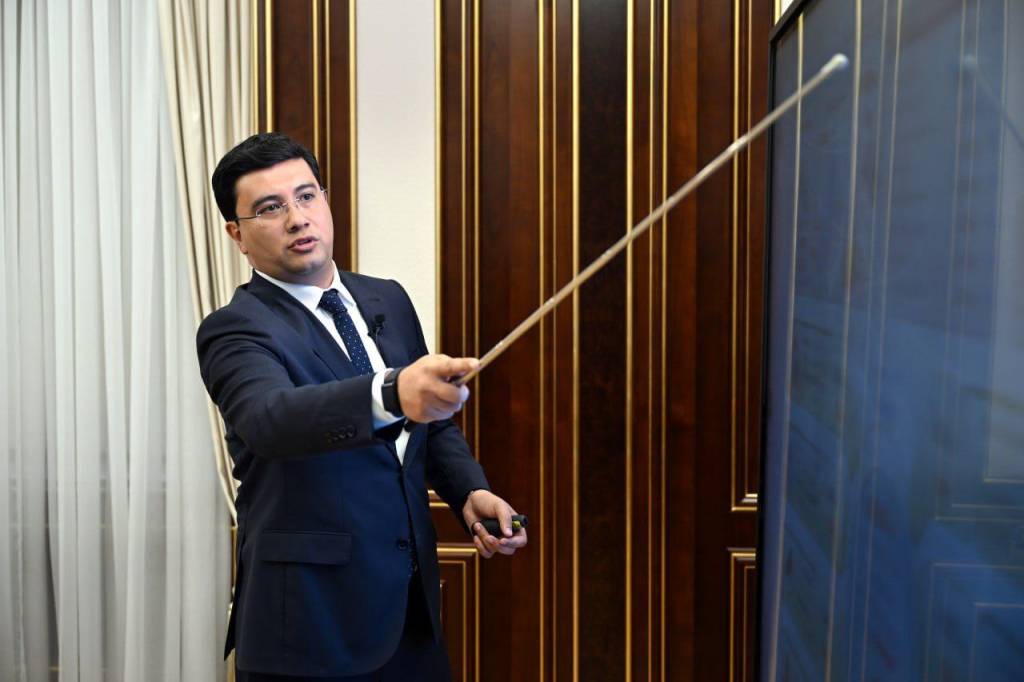
In this context, the task has been set to digitalize the entire process, from the moment a crime report is received to the enforcement of the court’s decision, and to introduce artificial intelligence technologies into investigative work. This will help accelerate investigative actions, reduce human error, and increase staff accountability.
It was also instructed to begin training personnel in the fields of artificial intelligence, cyber law, and digital law to strengthen the capacity of law enforcement agencies in preventing and investigating cybercrimes. The goal is to create a class of professionals capable of applying modern analytical methods, identifying digital risks and threats in advance, and responding effectively.
Following the discussion, the President issued specific instructions to responsible officials for implementing the outlined tasks.
UzA