Collaboration between Uzbekistan and India, highlighted through key data points
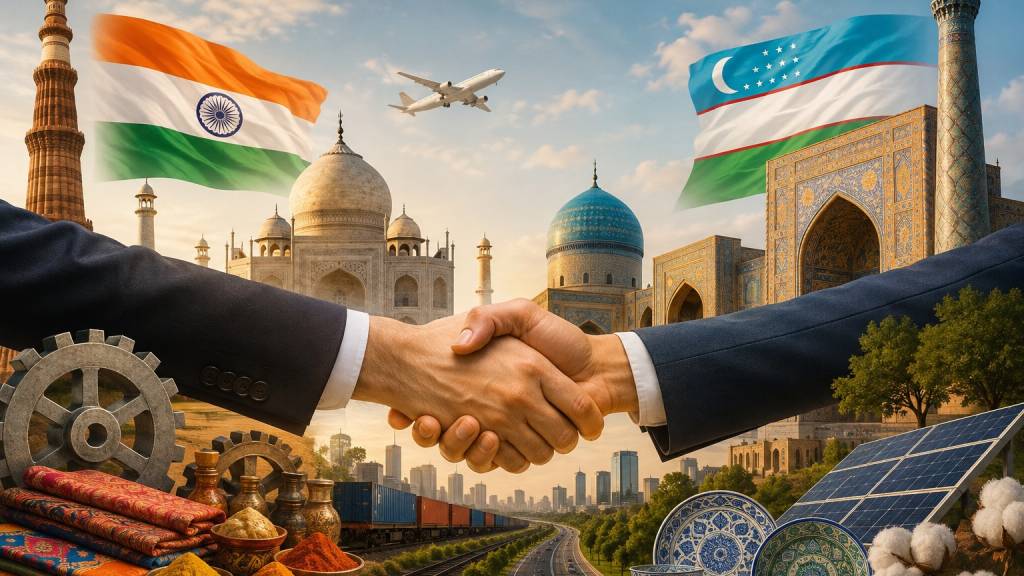
In recent years, cooperation between Uzbekistan and India has advanced rapidly and entered a new phase. Data from the National Statistics Committee for the first seven months of 2026 clearly indicate that bilateral relations are deepening not just in trade, economic, and investment areas, but also in social and humanitarian fields.
Foreign trade turnover, a key indicator of economic relations, reached $698.7 million from January to July. The data reveals a marked trade imbalance: imports from India stood at $607.4 million, whereas exports to India were only $91.3 million. As a result, imports were about 6.6 times exports. Uzbekistan primarily imports pharmaceuticals, machinery, and chemical products from India. Meanwhile, expanding access for Uzbek agricultural and textile exports to the Indian market remains a crucial focus.
Investment cooperation is showing robust growth. In the first half of 2026, $225.9 million in investments and loans from India were utilized. By August 1, the number of Indian-capital-operating enterprises in Uzbekistan reached 439. The consistent influx of investments and over 400 joint ventures indicate strong confidence Indian investors have in Uzbekistan’s economic reforms and investment environment. Capital is mainly flowing into information technology, healthcare, and infrastructure projects, highlighting increasing industrial collaboration.
Relations between the two countries extend beyond financial figures and capital flows, as shown by contacts between their people. From January to July, 32,462 tourists from India visited Uzbekistan, while 12,003 Uzbekistan citizens traveled to India. Indian visitors outnumber Uzbek visitors by a factor of 2.7, highlighting Uzbekistan’s rising appeal as a tourist destination and the tangible benefits of more direct flights between Tashkent and key Indian cities. For Uzbekistan citizens, India remains a significant destination for medical tourism and cultural exploration.
The education sector also stands out. In the same period, 3,853 Indian students arrived in Uzbekistan for studies. This keen interest from Indian students highlights the rising global reputation of Uzbekistan’s higher education, especially its medical universities and the Indian university branches in Tashkent.
Overall, the figures highlight the unique character of cooperation between Uzbekistan and India. The relationship extends beyond trade turnover to include investment, tourism, and academic exchange. Moving forward, the main focus should be on maximizing current potential, addressing the trade imbalance, and boosting Uzbek exports into India’s large market.
Fardona Yakhshiboyeva, UzA