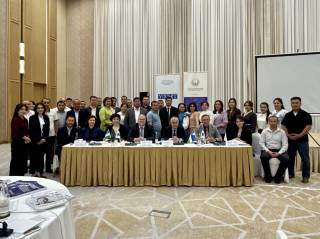
A new stage is being launched in the protection of the rights of women and children
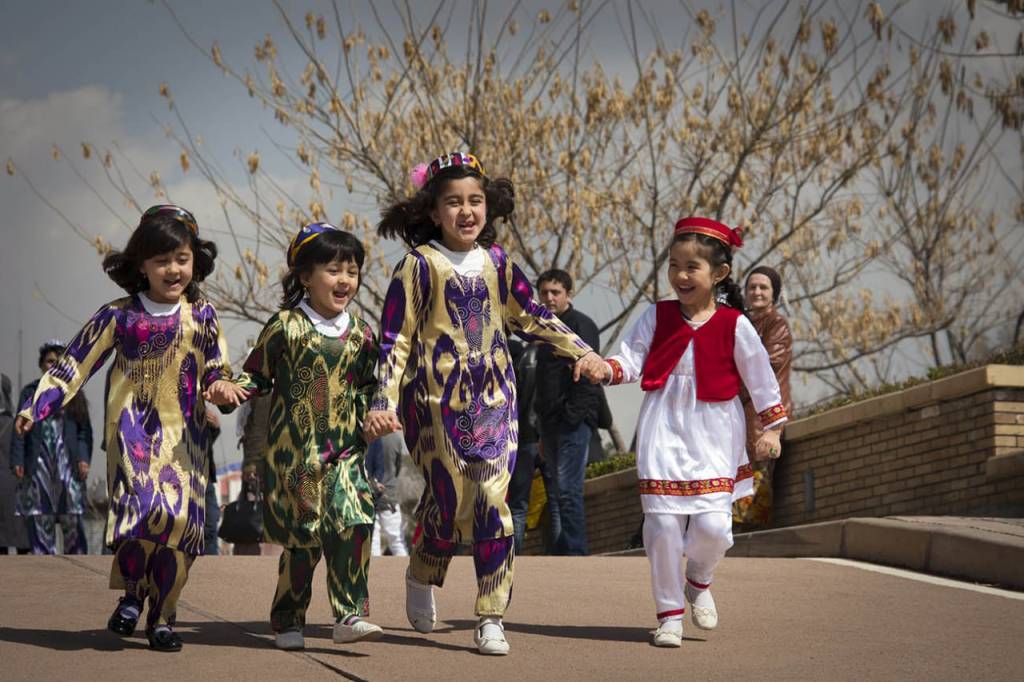
The Decree of the President “On additional organizational and legal measures to strengthen the protection of the rights of women and children and to prevent cases of harassment and violence against them” has been adopted.
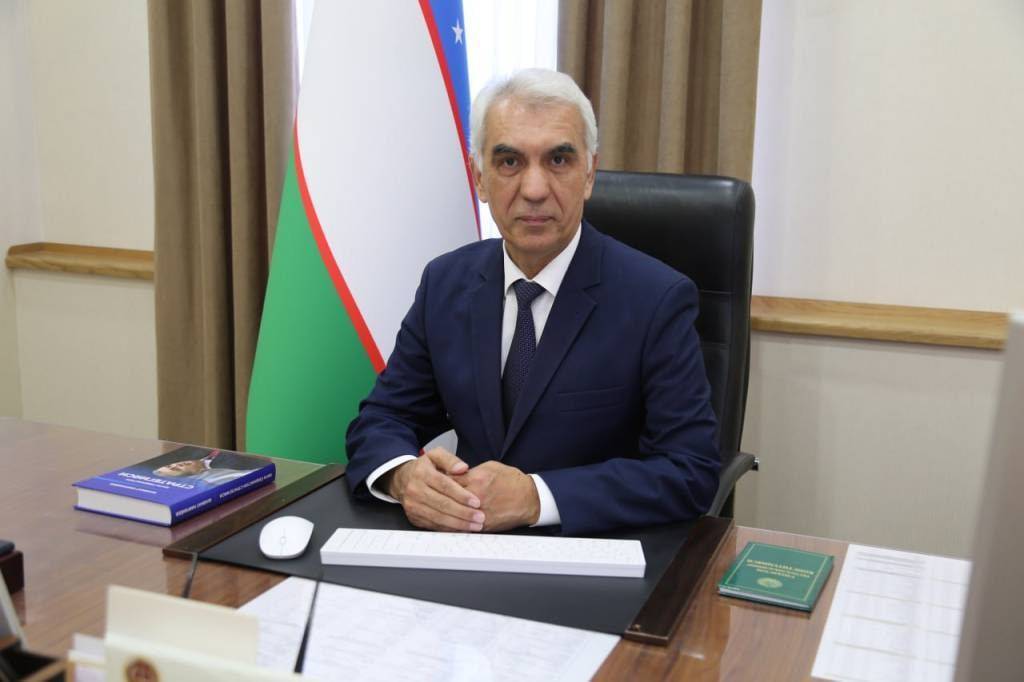
Professor of the Academy of Justice, Doctor of Juridical Sciences Foziljon Otakhonov spoke about the important aspects of the decree:
– In our country, upholding human dignity and ensuring the legitimate interests of individuals has become a priority direction of state policy.
This document is significant in that it is aimed at forming an uncompromising environment in the fight against any form of violence against women and minors, as well as creating an entirely new and effective mechanism of judicial protection.
First of all, new mechanisms aimed at preventing violations of legislation related to early marriage and the legal age of marriage place significant responsibility on the courts.
Administrative cases related to violations of legislation on the marriage age, entering into de facto marital relations with a minor, as well as failure to report such cases, must be thoroughly, impartially, and promptly considered by the courts.
In this process, the principle of the best interests of the child must take precedence. The deep and meaningful application of this principle in judicial practice should be the main guarantee of the effective protection of minors’ rights.
In accordance with the decree, it has been established that pre-investigation inquiries and preliminary investigations on several articles of the Criminal Code related to crimes against sexual freedom will be carried out exclusively by the prosecution authorities. This centralization of procedural powers will help improve the quality of evidence collection and assessment, reduce the latency in such crimes, and ensure effective protection of victims.
Courts, in turn, will be required to adhere to high standards in cases of this category, including ensuring a fair trial, protecting individuals’ privacy, and preventing secondary victimization.
It is also important to note that starting from 2027, crimes related to harassment and violence against women and children will, as a rule, be considered by judges who have undergone specialized training.
This specialization will enable the improvement of the quality of judicial decisions and the introduction of knowledge related to gender sensitivity and child psychology into practice.
In this regard, significant responsibilities will be placed on the Supreme Court, the Supreme Judicial Council, and the Academy of Justice. Training judges in accordance with international standards, updating professional development programs, and forming specialized competencies will determine the practical outcomes of this reform.
The norms provided for in the decree, such as the aggravation of penalties, the restriction of mitigation procedures for certain categories of convicts, and the requirement that individuals whose mental condition raises doubts undergo compulsory outpatient psychiatric examination, will require courts to apply an even more thorough legal approach.
In this regard, particular importance will be placed on maintaining a balance between the principles of the presumption of innocence, the individualization of punishment, and the protection of human rights. Each judicial document must be thoroughly substantiated and lawful.
At the same time, the introduction of the procedure whereby, before an administrative case is sent to court, a prosecutor must adopt a decision confirming the absence of elements of a crime will serve as a procedural filter. This will help prevent unfounded materials from being submitted to the courts and ensure the high-quality and efficient consideration of cases.
The decree also strengthens the judiciary’s preventive and educational role. Meetings held by judges and law enforcement veterans with young people at educational institutions, as well as their participation in awareness campaigns aimed at fostering an uncompromising attitude toward violence in society, will bring the openness of the judicial system and its dialogue with the public to a new level.
Overall, this decree is aimed at strengthening the courts not only as bodies that resolve disputes, but also as reliable protectors of the rights of women and children, and as institutions that ensure social justice and legal culture.
This document is of historic significance as a consistent continuation of reforms aimed at strengthening specialization within the judicial and legal system, raising procedural standards, and ensuring human rights.
Norgul Abduraimova, UzA