A little corner of Uzbek childhood in America
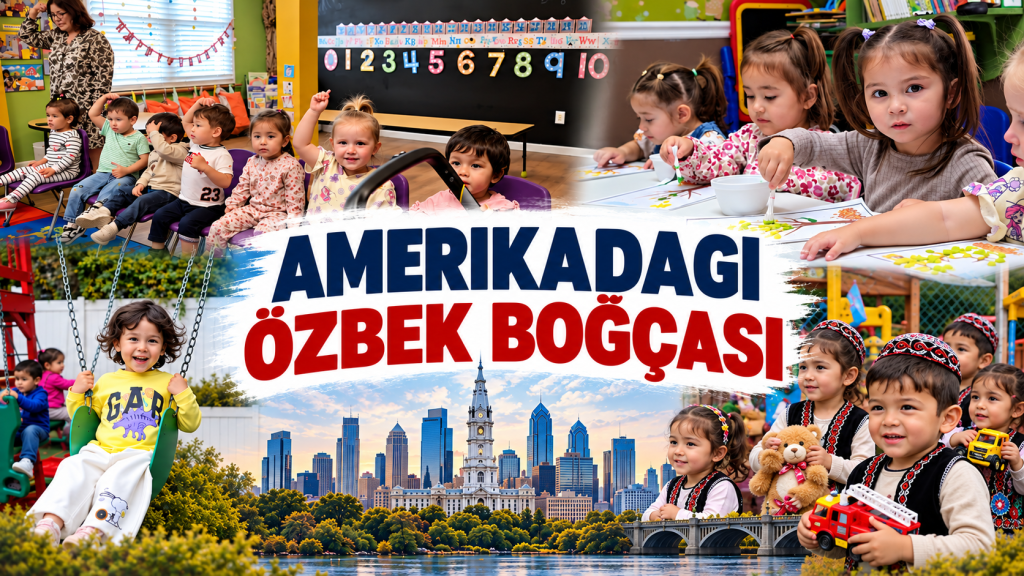
Across the ocean, in Philadelphia, Pennsylvania, Uzbek culture remains vibrant: people speak the native language, sing traditional songs, and carefully preserve ancestral customs. Far from their homeland, our compatriots continue to introduce those around them to Uzbekistan’s rich cultural heritage.
The Happy Days preschool in Philadelphia is more than just a place where young children acquire their first knowledge and learn to interact with the world around them. It is also a place where Uzbek cultural identity is preserved and the cultural heritage of the Uzbek people is passed on to the younger generation.
Although the preschool opened only recently, it offers everything children need for well-rounded development, recreational activities, and early learning. Modern teaching methods guide the educational process, and each activity is designed to develop children’s abilities and curiosity while fostering a love of their native culture.
According to preschool head Nigina Gafforova, parents are pleased with the quality of the services. The growing number of families hoping to enroll their children reflects the strong trust parents have in the preschool’s staff.
The preschool places particular emphasis on blending education with national traditions and values. Children explore the rich cultural heritage, customs, and traditions of the Uzbek people. Singing songs and reciting poems in Uzbek and English helps them develop language skills, expand their vocabulary, and express their thoughts with confidence. Uzbek folk songs play an important role in this process, featuring prominently in the children’s repertoire and fostering a love of their native language and culture from an early age.
Preparations for important occasions, such as Navruz and Uzbekistan’s Independence Day, are met with special enthusiasm. The children rehearse festive performances, sing traditional songs, recite poems, and perform dances, while their colorful national costumes bring a distinctive touch to the celebrations. These activities help children stay connected to their cultural heritage, even thousands of kilometers from their homeland, and make the spirit of Uzbek celebrations, art, and traditions an integral part of their lives.
According to Madina Zoyitova, deputy head of the preschool, preserving the native language and helping children develop a strong command of it are priorities. The preschool provides all the conditions children need to communicate fluently in Uzbek. Learning their native language from an early age not only builds communication skills but also helps children understand their identity, strengthen ties to their cultural roots, and develop a sense of belonging to their people.
The Happy Days preschool in Philadelphia offers a reminder of an important truth: wherever people live, their native language, culture, and national values remain a spiritual foundation that connects generations. By teaching children Uzbek, introducing traditional songs, celebrating national holidays, and sharing their people’s customs, the preschool staff makes a meaningful contribution to preserving Uzbek cultural identity.
Preserving national heritage means keeping the past alive and passing its legacy on to future generations. Such initiatives help protect the Uzbek people’s rich cultural heritage and strengthen young people’s ties to their historical roots.
Bahodir Sharopov, UzA
Philadelphia, USA